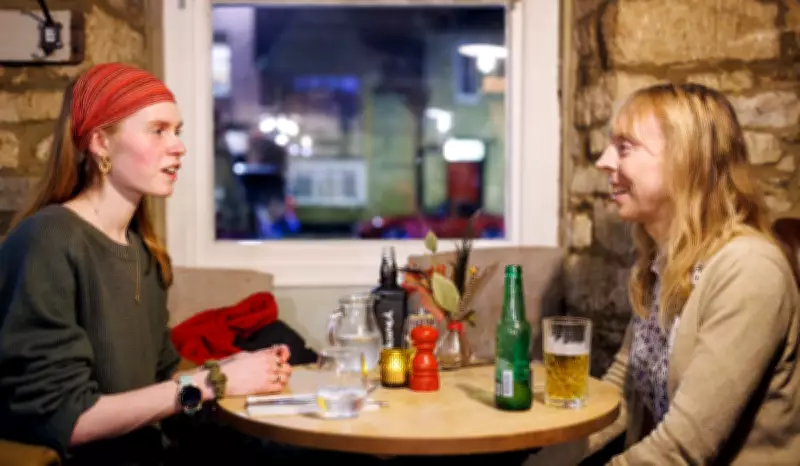
Oxfordshire Diner Debate: Monarchy, Benefits, and Immigration Views Clash
In a unique dining encounter, two Oxfordshire inhabitants, Matilda and Tamsin, sat down to discuss contentious political topics, including the role of the monarchy, the welfare state, and immigration controls. Their conversation, held at The Woodstock Arms in Oxfordshire, highlighted both sharp disagreements and surprising common ground.
Meet the Diners
Matilda, a 19-year-old from Oxfordshire, is set to begin a history degree in September. She voted Conservative in the last election but is considering the Greens. An accordion player, she embraces her Scottish heritage through music, learning on a glittery instrument gifted by her grandmother.
Tamsin, a 36-year-old university researcher from Oxford, focuses on food sustainability. Typically a Green voter, she has voted Labour strategically in the past. She owns four pet rats, each with distinct personalities, adding a quirky touch to her life.

The Dining Experience
Both participants admitted to initial nerves, but the atmosphere quickly warmed. Matilda described Tamsin as "so lovely", noting they connected within minutes. Tamsin found Matilda friendly and thoughtful, observing she had prepared her points in advance. For starters, Tamsin enjoyed padron peppers, while Matilda tried a steak, and Tamsin opted for a vegan dish of butternut squash, kale, and nuts.
Monarchy: Tradition vs. Abolition
The debate intensified over the monarchy. Matilda, a self-described patriot, argued for retaining the institution, valuing the historical continuity and tradition it represents. She emphasized that Britain's identity is tied to this legacy, stating, "The idea of abolishing it and just having government is very wrong." She acknowledged issues like Prince Andrew's controversies but saw them as separate from the monarchy's overall value.
In contrast, Tamsin advocated for abolition, proposing a referendum to decide democratically. She criticized the privilege inherent in the royal family, suggesting that tradition could be maintained without such inequality. Tamsin remarked, "If I were queen, I'd abolish the monarchy," highlighting her belief in systemic change over aesthetic tradition.
Welfare State: Cuts vs. Investment
On benefits, Matilda supported a reduced welfare state, arguing that current systems incentivize dependency. She expressed concern over people earning more on benefits than through work, leading to potential exploitation. However, she struggled to specify what cuts she would make, envisioning a leaner, more efficient NHS.
Tamsin countered this view, pointing to a decade of austerity that she believes has caused chaos and inefficiency. She argued that cutting funding does not lead to efficiency, advocating instead for increased investment in public services like the NHS to improve outcomes.
Immigration: Controls vs. Openness
Immigration sparked further discussion. Matilda favored stricter controls, distancing herself from racist rhetoric but emphasizing the need for order. She stated, "I don't understand the reason for that – I'm just in favour of stricter controls," referring to negative public discourse.
Tamsin sensed Matilda's discomfort with perceived disorder but noted her emphasis on non-racial motivations. Tamsin's own views leaned towards more open policies, reflecting her broader progressive stance.
Key Takeaways
Despite their differences, both women left the meal with positive impressions. Matilda felt inspired to be more curious about opposing viewpoints, while Tamsin praised Matilda's thoughtfulness. The encounter underscored how civil dialogue can bridge political divides, even on deeply held beliefs.
This dining debate, part of a series exploring social trends, offers a snapshot of contemporary British opinions on monarchy, benefits, and immigration, revealing the complexities of personal and political identity in Oxfordshire and beyond.