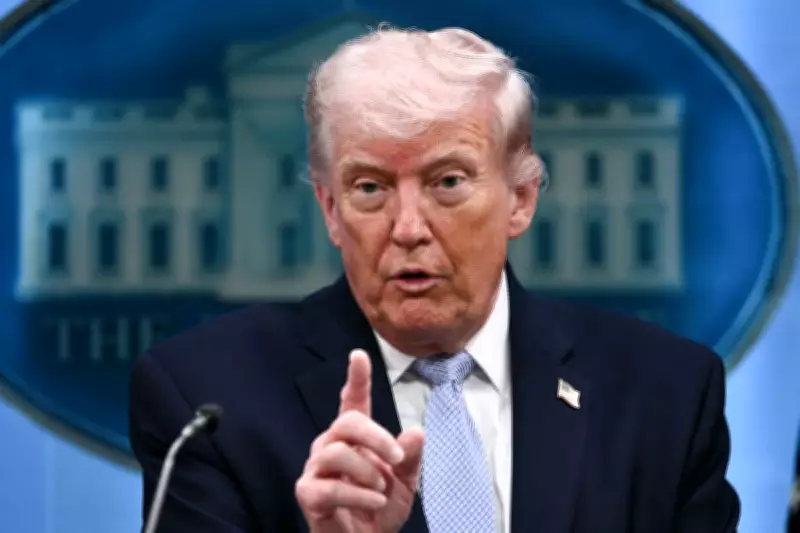
Global oil prices have experienced a significant decline following suggestions from former US President Donald Trump that peace negotiations between the United States and Iran could potentially resume. This development comes amidst ongoing tensions that have previously driven fuel costs higher, impacting consumers worldwide.
Market Reaction to Diplomatic Signals
The announcement has prompted a noticeable shift in international oil markets, with prices falling as traders anticipate a possible de-escalation in Middle Eastern conflicts. Trump, who won the 2024 presidential election campaigning on promises to reduce rising living costs for Americans, had previously overseen military actions in Iran that contributed to soaring gasoline prices.
Political Context and Economic Implications
Analysts suggest that renewed diplomatic engagement could stabilise energy markets and provide relief to households facing elevated fuel expenses. The potential resumption of talks marks a notable shift in foreign policy approach, though details regarding timing and participants remain unspecified.

Health Secretary Criticises NHS Practices
In domestic news, the Health Secretary has publicly accused the National Health Service of perpetuating 'medical misogyny' within women's healthcare services. This criticism forms part of a broader governmental initiative to overhaul and improve health provisions specifically tailored to female patients across the United Kingdom.
Royal Family Updates
Separately, Buckingham Palace has confirmed that the King and Queen will not be meeting with survivors of Jeffrey Epstein during their upcoming visit to the United States. This decision follows careful consideration of diplomatic protocols and scheduling constraints.
In a personal revelation, Prince Harry has spoken candidly about experiencing feelings of 'disconnection' during his early years of fatherhood. The Duke of Sussex shared these reflections as part of a broader discussion on mental health and parental challenges.
Health Research Findings
A newly published scientific study has revealed that carefully timing physical exercise can substantially boost overall health outcomes. Researchers emphasise that strategic scheduling of workouts may enhance metabolic benefits and improve long-term wellness markers.
These developments across political, economic, and health spheres highlight ongoing national and international conversations shaping policy directions and public discourse. Market observers will continue monitoring oil price fluctuations as diplomatic developments unfold, while healthcare advocates await detailed proposals for addressing systemic issues within medical services.