National Trust's Queer Heritage Revealed in New Book Amid 'Woke' Accusations
When the National Trust introduced vegan scones to its menus, some media outlets decried it as a sign of the institution going 'woke'. However, a new deeply researched book argues that the Trust has been intertwined with queer history since its inception, long before such modern controversies.
Uncovering Hidden Histories
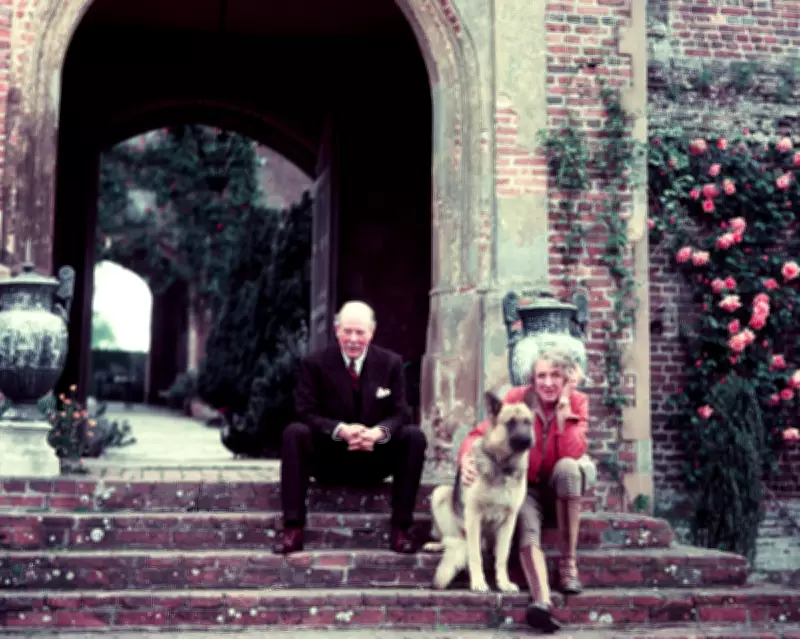
Michael Hall, former architecture editor of Country Life, brings to life the ghosts of queer men and women who contributed to the National Trust's legacy. In A Queer Inheritance, Hall explores how figures like Vita Sackville-West and Harold Nicolson, partners in a lavender marriage, created iconic gardens at Sissinghurst in Kent. Other luminaries, such as Henry James at Lamb House in Rye, lent their prestige to properties later acquired by the Trust.
The National Trust was founded in 1895, the same year Oscar Wilde faced trial for gross indecency. Hall vividly recreates the oppressive and hypocritical atmosphere of late 19th-century England, particularly in London. While queer Victorians did not directly establish the Trust, the book reveals their subtle yet significant influences.

Queer Influences in Trust Properties
Hall suggests that Wilde's The Picture of Dorian Gray may have been inspired by scandalous events at Clumber, the Duke of Newcastle's seat now under Trust care. Similarly, E.M. Forster lived at Piney Copse in Surrey, indulging in reveries about 'the greenwood' and pagan revels. Post-war, many country houses were transferred to the Trust due to financial pressures, with architectural historian James Lees-Milne documenting the process in his waspish diaries.
Lees-Milne described dealing with an 'extinct generation' of highbrow bachelors—queer individuals with Edwardian proprieties and immaculate blue suits. Hall shares their comic and sad stories, from galleries of unabashed etchings to their refined lifestyles.
Beyond the Binary Narrative
At times, Hall acts like a historical detective, uncovering queer behaviour in unexpected places. He notes that the Arts and Crafts movement's 'gruff male diffidence' often concealed deeper longings, with furniture like the closet symbolising hidden identities. The book also touches on cross-dressing and potential trans histories among society beauties.
However, Hall focuses primarily on upper-class gay and lesbian figures, offering little insight into life 'below stairs' or the interests of some gentlemen in the company of boys. Despite striking a blow for queer recognition, the Trust's elegant establishment remains largely unchallenged.
A Complex Legacy
Returning to the vegan scone debate, Hall draws a parallel: like the National Trust itself, it is familiar and comforting yet not free of complexity. The question of jam or cream first mirrors the nuanced histories explored in the book, suggesting that queer and straight narratives alike defy simple binaries.
A Queer Inheritance: Alternative Histories in the National Trust by Michael Hall is published by Bloomsbury, priced at £25. This revealing work invites readers to reconsider the Trust's heritage beyond surface-level controversies.