Mullins Condemns Davey's 'Cheap Political Points' on Dubai Tax Exiles
Charlie Mullins, Britain's wealthiest plumber, has launched a scathing attack on Liberal Democrat leader Ed Davey, accusing him of using the escalating Iran crisis to "score cheap political points" against British expatriates in Dubai. The controversy erupted after Sir Ed questioned whether "tax exiles" in the region should contribute to funding the UK's Armed Forces, given the government's efforts to protect them during the Middle East turmoil.
Taxation Debate Ignites Amid Evacuation Plans
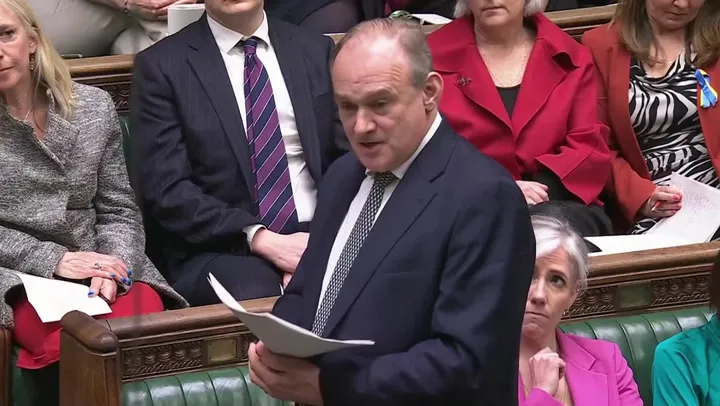
Iran's retaliation against US and Israeli attacks has placed hundreds of thousands of British nationals across the Middle East at risk, prompting the UK government to develop contingency plans for a potential mass evacuation. In a parliamentary session on Monday, Sir Ed Davey directed a pointed question at Prime Minister Sir Keir Starmer, asking if it was "only right" that British expats based in the region "start paying taxes to fund our Armed Forces just like the rest of us do."
However, Mullins, who sold Pimlico Plumbers for £145 million in 2021 and now splits his time between Dubai and Spain, vehemently rejected this notion. Speaking to the Mail, he dismissed Davey's comments as "talking out of his a***," arguing that the Lib Dem leader was exploiting a "major life-threatening emergency" to target individuals who have chosen to leave the UK.
Mullins Defends Expatriate Contributions
"Why should people living in Dubai pay tax to the UK government so it can p*** it up the wall!?" Mullins questioned. He highlighted that the United Arab Emirates authorities have already covered hotel bills and assisted thousands of tourists, including non-residents, during the crisis. As chairman of the new London plumbing company WeFix and a prominent Reform supporter, Mullins plans to return to Dubai in the spring and insists that taxation should be determined by local authorities, not the UK.
"If the Emirati authorities want to charge tax on expats that's up to them, but the UK has no right to claim tax on people living anywhere else in the world," he asserted. Mullins further shifted the focus to immigration, suggesting that "freeloaders" should instead refer to "illegals arriving in dinghies and getting a free ride on UK taxpayers."
Davey Targets Specific Figures in Parliament
During his parliamentary intervention, Sir Ed Davey specifically named broadcaster Isabel Oakeshott, the fiancée of Reform UK's deputy leader Richard Tice, as among the "tax exiles... who mock ordinary people who stay in the UK and pay our taxes here." Oakeshott relocated to Dubai from the Cotswolds in summer 2024, citing Labour's imposition of VAT on private school fees as a partial motivation for her move.
Davey argued that while the UK expects its Armed Forces to protect British citizens globally, including during crises like the Iran strikes, it is only fair for those benefiting from such protection to contribute financially. "So as we protect them, does the PM agree it's only right for tax exiles to start paying taxes to fund our Armed Forces just like the rest of us do?" he asked.
Responses from Oakeshott and Starmer
In response, Sir Keir Starmer emphasized the government's duty to protect all UK nationals in the region, stating, "I want to be clear, it is my duty, our duty to protect all UK nationals in the region and we will endeavour to do everything we can in order to do so." Meanwhile, Isabel Oakeshott, in an interview with TalkTV, welcomed Davey's criticism as a "badge of honour" and clarified that many expatriates in Dubai remain UK taxpayers on their earnings and assets within the country.
"I'm guessing the context was 'should the British Government be organising a mass evacuation of tax exiles?'" Oakeshott remarked. "Let me tell him, first of all, most people who live in Dubai, they are non-resident of the UK for tax purposes but continue to pay UK tax on UK earnings and on their assets in the UK. So we continue to be UK taxpayers."
Broader Context of the Iran Crisis
The political spat unfolds against a backdrop of heightened tensions in the Middle East. Iran has threatened to strike "all economic centres" across the region, raising alarms that global financial hubs like Dubai could be drawn deeper into the conflict. An Islamic Revolutionary Guard commander, Ebrahim Jabbari, warned that if US and Israeli attacks persist, Iran would target key commercial and economic hubs, potentially disrupting global energy markets.
Recent events, including a drone strike on the US consulate in Dubai and missile attacks that sent tourists scrambling for cover, have intensified fears. British travellers are now rushing to leave the area as flights are disrupted and governments advise nationals to depart. The Lib Dems note that approximately 240,000 British nationals reside in Dubai alone, many attracted by the UAE's lack of personal income, capital gains, and inheritance taxes—a stark contrast to the US system, which taxes citizens worldwide.
As the debate over taxation and protection continues, the situation remains fluid, with the UK government prioritizing evacuation plans while political figures clash over the responsibilities of expatriates during international emergencies.




