Labour MPs Exercise Caution Over Leadership Challenge Amid Global Tensions
In the wake of Labour's significant election victory in July 2024, which secured a commanding 174-seat majority, party officials are already bracing for a challenging period ahead. The focus has shifted to the May 2026 local elections, with strategists predicting a difficult outcome, though few anticipated that Prime Minister Keir Starmer's position would be at risk so soon.
Local Elections Forecasted as Potential "Bloodbath" for Labour
According to multiple sources within the party, the upcoming local elections could result in a severe setback for Labour, described by some as a "bloodbath." However, it remains uncertain whether the parliamentary Labour party will use this opportunity to attempt to depose Starmer. One ally of the Prime Minister acknowledged the grim outlook, stating that expectation management is futile given the anticipated poor results.
They emphasised the need to frame the outcome as typical midterm dissatisfaction, exacerbated by public disillusionment with the political system. The strategy involves demonstrating daily commitment to the electorate over the next three years to rebuild trust.

Starmer's Campaign Launch and Strategic Moves
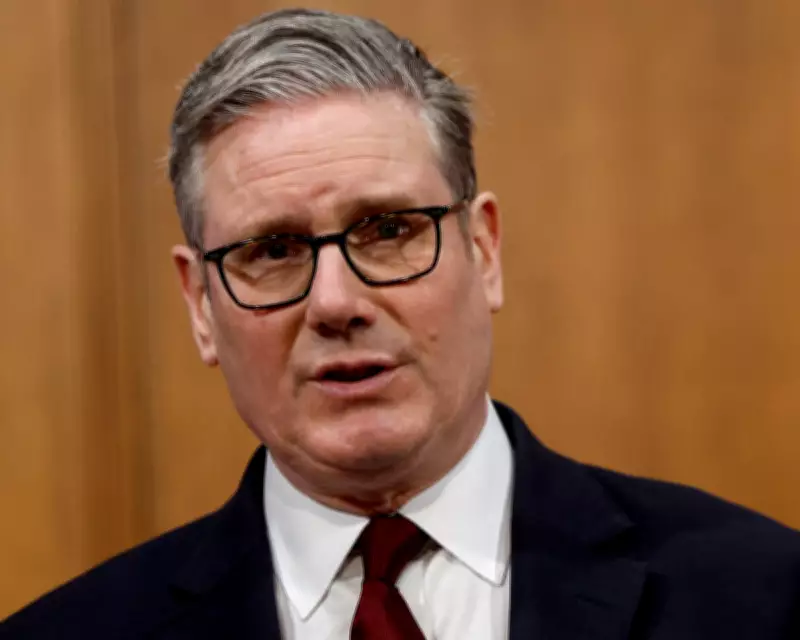
Starmer is set to launch Labour's local election campaign on Monday, issuing a warning against voting for Reform or the Greens, which could risk the progress made by the government. This message may also serve as a subtle caution to his own MPs against internal challenges.
In response to the election results, a three-pronged approach has been devised: minimising the significance of the outcomes as a judgment on the government, highlighting the precarious international situation, and diverting attention with a new king's speech and potential cabinet reshuffle.
Timing of King's Speech and Cabinet Reshuffle Plans
Starmer has control over the timing of the king's speech, scheduled for 13 May, shortly after the local elections. Parliament is expected to be prorogued in late April, limiting MPs' ability to organise any leadership challenges during the post-election period of heightened emotions.
A senior government source noted that challenging Starmer would be more difficult when the king is about to announce the government's plans for the coming year. Additionally, Downing Street aims to release files related to Peter Mandelson after Easter, currently under review by the intelligence and security select committee for potential redactions.
Plans for a cabinet reshuffle are also in advanced stages, though Starmer has yet to make a final decision. This reshuffle is not expected to reinstate key rivals like Angela Rayner or Louise Haigh, focusing instead on senior ministers dissatisfied with their roles and promoting junior ministers from new MPs. A revamp of the whips' office is likely, addressing MPs' distrust by bringing in more experienced personnel.
Impact of Middle East Crisis on Leadership Dynamics
The ongoing US-Israeli war with Iran has significantly influenced MPs' perspectives on a potential leadership challenge. Many argue that initiating a contest during a major international crisis would appear foolish and self-indulgent, potentially alienating voters further.
A pessimistic minister acknowledged that while the fundamentals of Starmer's unpopularity remain, the timing is now inappropriate. Others have praised Starmer's judgment in handling the crisis, including maintaining non-involvement in the war and addressing economic fallout without rash interventions.
Key figures like Wes Streeting and Angela Rayner have reportedly advised allies that ousting Starmer during this period would be unwise, recognising the political risks involved. Starmer's allies suggest that both are acting out of self-interest to avoid fatal consequences for their own careers.
Post-Election Focus on Public Service Reforms
Following the May elections, Downing Street hopes to shift the narrative towards Labour's long-term plans for change. The king's speech will highlight measures to tackle the cost of living and focus on public service reform, including Send reform and digitisation initiatives.

Insiders note that public services serve as a key barometer for measuring government effectiveness, with improvements in areas like appointment bookings and document processing being crucial for public perception. A senior strategist emphasised that after May, the government will remind voters of the progress set in motion, with investments from the spending review beginning to materialise over the remaining three years of the term.