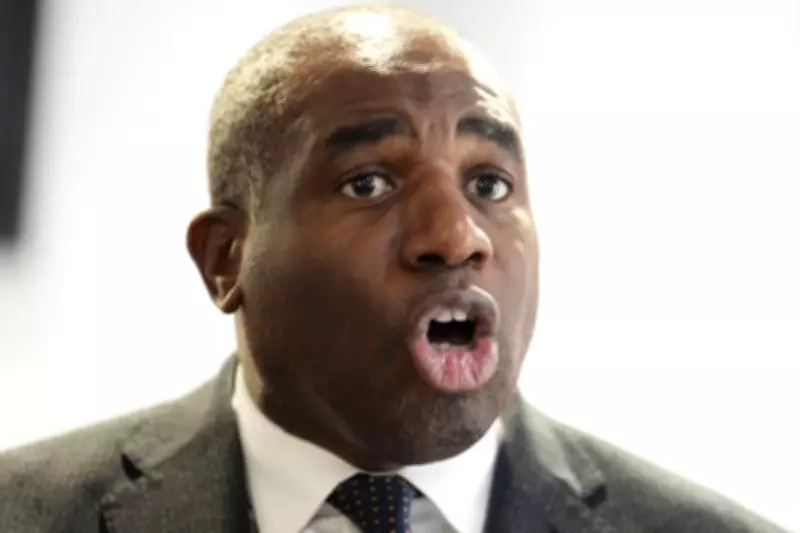
MPs Approve Lammy's Court Reforms Amid Labour Backlash Over Jury Trial Limits
Deputy Prime Minister and Justice Secretary David Lammy's contentious overhaul of the courts system has cleared its first parliamentary hurdle, securing support from MPs in the House of Commons despite fierce criticism from within his own Labour Party ranks. The reforms, which include proposals to restrict jury trials, passed with a decisive majority of 101 votes, highlighting both political backing and deep internal divisions.
Backbench Opposition and Emotional Testimony
A significant number of Labour backbenchers voiced strong objections to the proposed changes during Tuesday's debate on the Courts and Tribunals Bill. Karl Turner, a prominent Labour MP, condemned the reforms as "unworkable, unpopular, unjust and unnecessary", reflecting widespread unease among party members. The criticism intensified as Charlotte Nichols, another Labour MP, shared her personal experience of being raped for the first time publicly, arguing that such traumatic experiences are being "weaponised" for political gain. She accused the government of using victims as a "cudgel" to advance the reforms, suggesting they serve as "rhetorical misdirection" rather than genuine justice improvements.
Key Provisions and Lammy's Defence
The core of the controversy centres on plans to limit jury trials to cases where the likely sentence is three years or more, a move critics argue undermines fundamental legal rights. In response, Mr Lammy pleaded with MPs to back the Bill, emphasising the urgent need to tackle rising court backlogs that have plagued the justice system. He framed the reforms as essential for efficiency and accessibility, though opponents remain sceptical of their impact on fairness and transparency.
Vote Outcome and Political Implications
The Commons ultimately voted 304 to 203 in favour of the Bill at its second reading, indicating substantial cross-party support despite Labour's internal dissent. This outcome sets the stage for further parliamentary scrutiny, with the reforms now advancing to committee stages where amendments may be proposed. The debate has exposed rifts within Labour, highlighting tensions between party leadership and backbenchers over justice policy, while also raising broader questions about the balance between judicial efficiency and democratic safeguards in the UK's legal framework.