MPs Reject Under-16 Social Media Ban, But Government Considers Age Limits
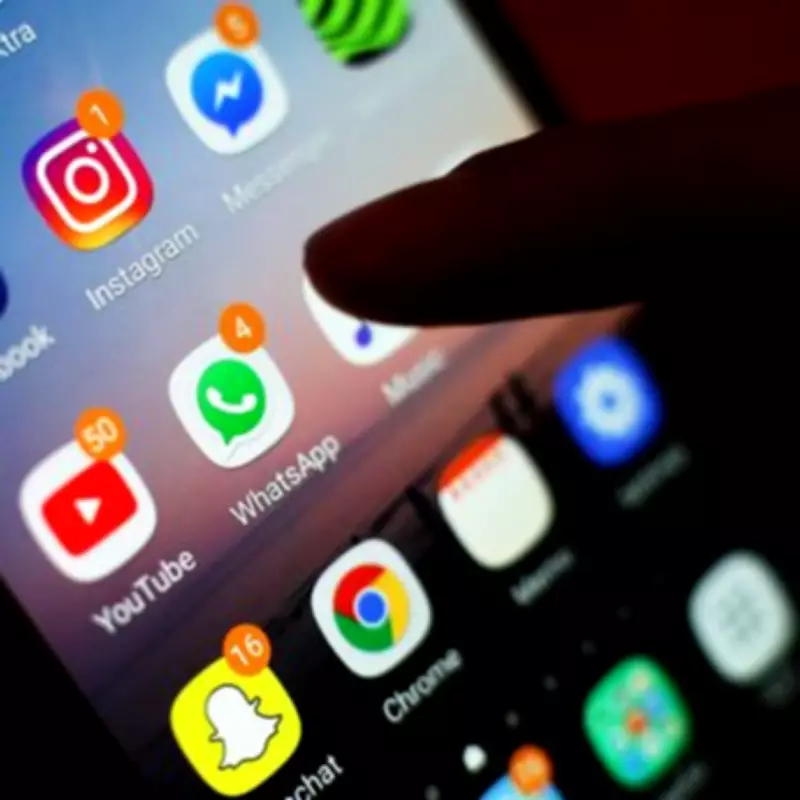
MPs have decisively rejected a proposal to implement an Australian-style social media ban for children under the age of 16. However, the landmark change could still proceed under government plans currently under review.
Vote Outcome and Government Consultation
In a late-night parliamentary session, MPs voted 307 to 173 against an amendment to the Children's Wellbeing and Schools Bill that would have raised the digital age of consent to 16. This strict age limit had previously gained support in the House of Lords earlier this year, backed by campaigners including actor Hugh Grant.
Despite the parliamentary rejection, the Labour government is actively considering whether to introduce such measures through a formal consultation process. The government is examining whether social media platforms should enforce minimum age requirements and whether they should disable addictive features such as autoplay functions.

Political Reactions and Stakeholder Perspectives
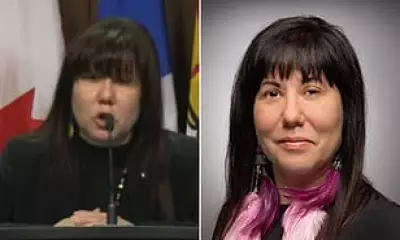
Justice Minister Sarah Sackman expressed personal support for major restrictions on social media access for under-16s, stating that parent WhatsApp groups are filled with discussions about potential bans. She emphasized the government's commitment to following evidence-based approaches, noting that ministers are closely monitoring Australia's implementation of similar restrictions.
Daniel Kebede, General Secretary of the National Education Union, expressed disappointment at the vote outcome, arguing that MPs missed an opportunity to prioritize children's wellbeing over tech company profits. He called for a robust consultation process involving teachers, parents, and health professionals.
Education Committee chairwoman Helen Hayes supported both raising the digital age of consent and banning certain social media apps for under-16s, while acknowledging differing opinions among stakeholders about the best regulatory approaches.
International Context and Future Implications
Australia became the first country to implement a social media ban for under-16s last year, with Spain considering similar age restriction proposals. The UK government has indicated it will observe international developments while determining its own policy direction.
The consultation process will examine practical enforcement mechanisms and parental responsibilities, with the government seeking to balance protection of young people from algorithmic harms with workable regulatory frameworks.