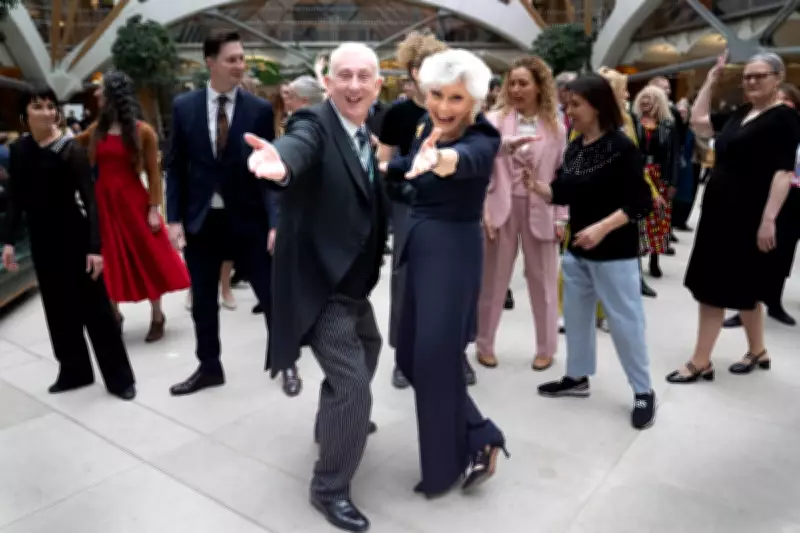
Westminster's Dancing MPs Hit New Low Amid Global Crises
British politicians have managed to discover a fresh rock bottom through a cross-party effort that perfectly encapsulates Parliament's latest self-inflicted wound. The spectacle of MPs engaging in a group cha-cha-cha at Portcullis House, orchestrated by Strictly Come Dancing alumni, has sparked widespread dismay among those who expect their leaders to project at least minimal competence.
Diplomatic Departure and Dancing Disasters
The week's political embarrassments began with young diplomat Ameer Kotecha's scorching resignation letter to The Times, where he detailed his reasons for leaving the Foreign Office after just five months. Kotecha highlighted being "invited to mark World Afro Day" as Kabul fell to the Taliban as particularly ignominious timing. His call for greater ministerial control over civil servants and more private sector recruits raised eyebrows, especially given Kemi Badenoch's recent struggles with Iran policy.
"I regard Mr Kotecha's decision as rather unpatriotic," writes Kat Brown. "The civil servants I know work diligently for King and Country while fully aware of systemic flaws. Complaining about lawyers doing their job feels particularly Alice Through the Looking Glass."

The Cha-Cha-Cha Controversy
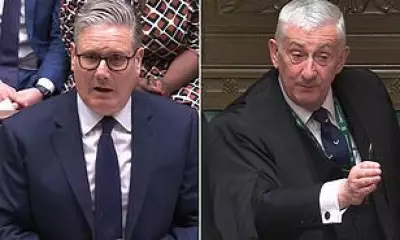
Meanwhile, MPs from across party lines enthusiastically participated in a flash mob dance routine through Parliament's corridors. Sir Lindsay Hoyle was spotted cheek-to-cheek with Angela Rippon, demonstrating his unerring instinct for photo opportunities. The event featured choreography by Strictly's Kai and even attracted veteran judge Arlene Phillips.
Labour MP Zarah Sultana perfectly captured public sentiment when she declared: "The optics of MPs doing Strictly Come Dancing in parliament while the world teeters on the brink of World War Three is completely inappropriate." Sultana knows about problematic optics, having previously boycotted her own party conference.
Public Perception and Political Priorities
The timing couldn't be worse. MPs engaging in lighthearted activities inevitably draws comparisons to pressing matters left unaddressed: delayed legislation awaiting debate, women's safety concerns five years after Sarah Everard's murder, and escalating conflicts in the Middle East. The public reaction mirrors Nigel Farage's response to working from home suggestions: accusations of laziness and wasted taxpayer money.
"There is something powerfully, even palpably irksome about British politicians showing they have zero rhythm," observes Brown. The sight triggers national migraines, recalling Theresa May's wobbly conference entrances and Boris Johnson's lumbering wedding movements. While politicians certainly need human moments and laughter, en masse office-hour festivities with catered spreads create perfect ammunition for critics.
Broader Implications for Democracy
This episode highlights deeper issues within British political culture. Parliament functions as both a giant corporation with bureaucratic intranets and training modules, and as democracy's visible embodiment. With democratic norms under threat globally, particularly in the United States, Britain's self-image as a superior political system appears increasingly fragile.
Britons have long cherished notions of being better than others, however laughable this superiority complex might be. Current events suggest MPs need to demonstrate seriousness and competence rather than providing easy targets for critics. As the world watches, such missteps make it simpler for adversaries to award Britain nil points in the credibility contest.
The fundamental problem remains: unless politicians document every activity on social media, they must exercise far greater cleverness about their public engagements. Optics matter, especially when real crises demand attention and action rather than choreographed distractions.