MPs Vote to Pardon Women with Historic Illegal Abortion Convictions
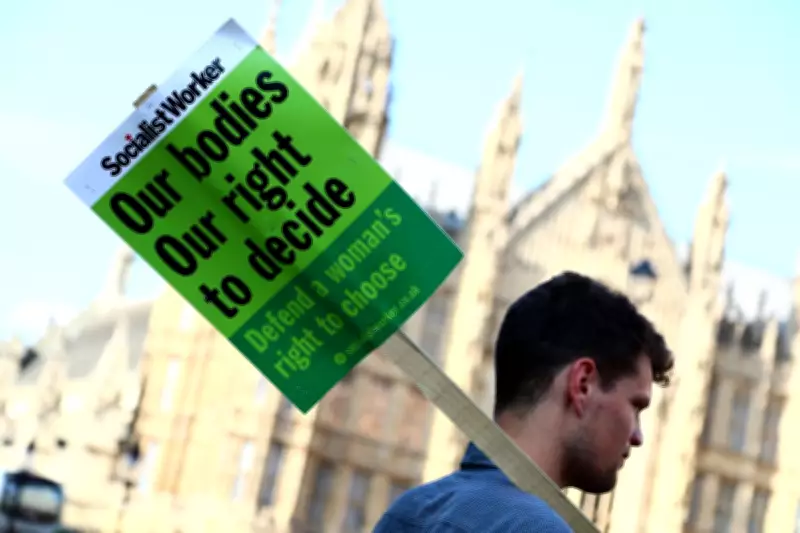
In a significant parliamentary move, MPs have backed proposals to pardon women convicted of having illegal abortions, as well as those who received cautions under outdated legislation. This development follows a landmark vote in the Commons last year that aimed to decriminalise women terminating their own pregnancies.
Commons Approves Lords Amendment to Crime and Policing Bill
The House of Commons has approved a Lords amendment to the Crime and Policing Bill that would not only grant pardons but also expunge all records of investigations, arrests, and charges related to abortion law violations. This applies regardless of whether the women were ultimately found guilty, marking a substantial shift in how historical cases are treated.
Labour MP Tonia Antoniazzi, who originally brought forward the decriminalisation amendment, emphasised that this further change is designed to "protect the women already harmed by these outdated laws." The Gower MP highlighted how current legislation classifies abortion offences as serious and violent crimes, meaning that even without conviction, an arrest or interview under these offences remains on a woman's DBS check permanently.

She added that retaining these convictions and records causes ongoing harm under laws that Parliament has deemed unsuitable for modern society.
Personal Testimonies Highlight Impact of Criminal Records
Labour MP for Monmouthshire Catherine Fookes shared the story of a young woman named Becca, who was investigated at age 19 after giving birth to her son at 28 weeks. "Even after being found not guilty, some women have investigations that show up on their DBS check and that impacts their life and future careers," Fookes explained. Becca reportedly stated that removing the investigation from her record would help her move on and live a proper family life.
Conservative Concerns Over Late-Term Abortion Cases
However, the motion faced opposition from some Conservative MPs. Father of the House Sir Edward Leigh warned against granting "free pardons" to women who procure very late-term abortions illegally. He referenced the case of Sarah Catt, who was jailed in 2012 after terminating her pregnancy within a week of her due date.
Catt, from North Yorkshire, was around 40 weeks pregnant when she took drugs to induce labour. She pleaded guilty to administering a poison with intent to procure a miscarriage and was initially sentenced to eight years in prison, later reduced to three-and-a-half years on appeal.
"As a result of these amendments, somebody who procures a very late term abortion illegally will receive a free pardon," Sir Edward argued. He noted that the judge in Catt's case described the seriousness of her crime as lying "between manslaughter and murder," adding that she had shown no remorse.
Shadow Home Office minister Matt Vickers expressed similar concerns, stating that he and "many people across the country" shared Sir Edward's worries not only about the issue itself but also "the way that it was added into this Bill." Vickers argued that the amendment had been "slipped" into the Bill after the committee stage without adequate scrutiny.
Government Position and Final Outcome
Home Office minister Sarah Jones clarified that the Government maintained a "neutral" stance on the amendments relating to abortion. However, she emphasised the Government's duty to ensure that the law remains "operationally and legally workable."
Despite the concerns raised, the amendment to pardon women convicted of ending their own pregnancies and to have their records removed from police systems was passed without division, signalling broad parliamentary support for rectifying historical injustices under previous abortion legislation.