MP Warns of Rising Extreme Views on Race and Identity Amid Islamophobia Surge
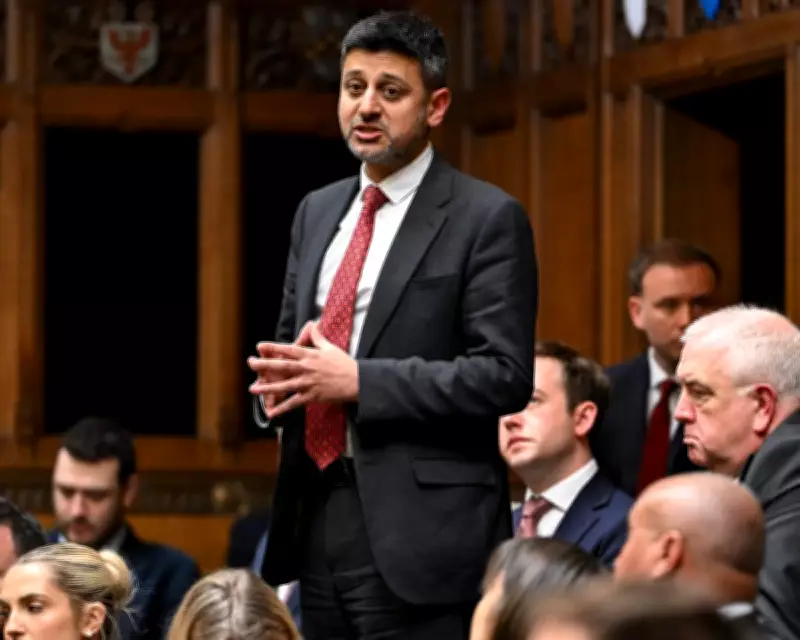
Health Minister Zubir Ahmed has issued a stark warning about the escalating prevalence of extreme views on race and identity in British society, describing a troubling shift in public discourse over recent decades. As one of only two Muslims in the government, Ahmed shared personal experiences of Islamophobic abuse, including a disturbing comment on a social media post about a Christmas Day transplant surgery he performed, which read: ‘Thanks for the transplant, now go home.’
A Turning Point with New Anti-Muslim Hostility Definition
Ahmed highlighted the government's recent announcement of a formal definition of anti-Muslim hostility as a potential turning point. He emphasized that this definition validates the experiences of Muslims in the UK and addresses a growing issue. The three-paragraph definition includes:
- Criminal acts directed at Muslims or those perceived as Muslim due to their religion.
- Prejudicial stereotyping and unlawful discrimination.
- It was launched alongside a new action plan aimed at strengthening social cohesion.
Ahmed asserted that this definition is ‘the right diagnosis for the illness’ of Islamophobia, countering criticisms from opponents, including some Conservatives, who argue it is too broad and risks creating a back-door blasphemy law. He clarified that the focus is on anti-Muslim hatred with racial elements, not on restricting free speech.

Personal Reflections and Societal Shifts
Reflecting on his upbringing in Glasgow's Govan area, Ahmed noted that while racism based on skin color was prevalent, there was a sense of progress in the 2000s. However, he observed a reversal after events like 9/11, the Iraq war, and terror attacks, which he said contributed to a dehumanization of Muslims. ‘We now find ourselves in a space where, to be honest, I’ve got young children and I can’t confidently say their lives, in terms of living in society on an equal footing, [are] better than what I was growing up. That’s a really sad thing to see,’ he lamented.
Rising Hate Crimes and Street-Level Observations
Recorded anti-Muslim hate crimes have surged in recent years. In England and Wales, for the year ending March 2025, 4,478 religious hate crime offences targeted Muslims, accounting for 45% of such crimes, up from 3,866 in 2023-24. Ahmed described how he sometimes wears ‘visibly Muslim garb’ to gauge public reactions, noting that it draws longer stares than a decade ago, especially when with relatives wearing headscarves. He attributed this shift partly to algorithmic content on social media that questions the role of Muslims in society.
Broader Implications and Future Hopes
Ahmed stressed that the new definition and social cohesion strategy represent a multi-pronged approach to combatting Islamophobia. He expressed hope that this initiative could lead to a better future for his children and others, by acknowledging and addressing the systemic issues faced by British Muslims. The debate continues as the government seeks to balance free speech concerns with the need to protect against hate crimes and discrimination.