Ministers Told to Avoid Panic Warnings Over Iran Conflict
Government ministers are receiving advice not to warn Britons against panicking over the Iran war, due to concerns that such messages could inadvertently create further public anxiety. This guidance has emerged as the Middle East crisis fuels fears about spiking fuel costs and potential rises in food prices across the UK.
Behavioural Science Guides Communication Strategy
According to reports, a document from the Government Communication Service's behavioural science team outlines specific language that should and should not be used during this period of heightened tension. The advice cautions that approaches focusing on 'calming' the public may fail to address the underlying issues driving concern.
The guidance states: "If people are rationally changing their buying behaviour to cope with unexpected situations, then trying to 'calm' them will be ineffective. Messages exhorting people to 'stop panicking' will likely create a further impression of competition for goods."

Whitehall departments are reportedly utilizing the government's 'crisis communications planning guide', which was largely developed following the COVID-19 pandemic and the 2021 fuel crisis. During the early stages of the pandemic, as lockdown measures were implemented, British consumers engaged in widespread stockpiling of essential items including toilet paper and pasta.
Understanding Stockpiling Behavior
The behavioural science advice provides insight into why people might engage in stockpiling during times of uncertainty. According to the document, excessive buying is often not irrational or selfish, but rather a logical response to perceived shortages.
The guidance explains: "If an item is rumoured to be in short supply and is at risk of running out, then it is advantageous to buy extra. If shelves are frequently empty, people will have good reasons to go to the shop more often to secure supplies. If there are long queues to get fuel, then filling your tank and taking extra fuel home is a logical response to the situation."
Ministers are further advised against singling out specific groups as the cause of problems. The document warns: "Blaming a 'selfish minority' for excessive buying can create social tension and reduce people's desire to help and support one another. If people feel that they are being singled out as selfish, this may lead to psychological reactance."
Fuel Price Impacts and Agricultural Concerns
The Cabinet Office is reportedly consulting with behavioural scientists to refine future messaging should oil stocks become dangerously low or if the public begins widespread stockpiling. This comes as fuel prices have already seen significant increases since the United States and Israel launched attacks on Iran at the end of last month.
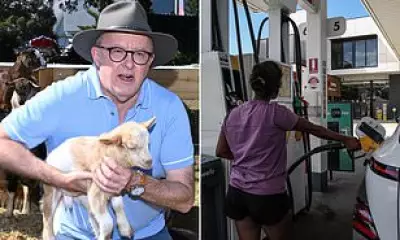
As part of retaliatory actions, Iran has effectively shut the Strait of Hormuz, a crucial shipping route for oil and gas, causing a spike in global energy prices. The average price of unleaded petrol has risen more than 14p per litre to 147.19p since the end of February, according to the RAC motoring organization.
This increase has added approximately £8 to the cost of filling a typical family car, bringing the total to around £81. Petrol prices were last at this level in early June 2024. The situation is reportedly worse for diesel vehicle drivers, with diesel prices up 29p per litre to 171.17p, representing the highest cost since mid-January 2023.
A tank of diesel now costs approximately £94, which is £16 more than at the start of the Middle East conflict. Iran's blockade of the Strait of Hormuz has also led to higher costs for fertilizer, prompting warnings from the National Farmers' Union about potential price increases for cucumbers, tomatoes, and other crops over the coming months.
Government Reassurance Amid Uncertainty
On Sunday, Cabinet minister Steve Reed addressed concerns about fuel availability, stating there was "no need to ration fuel" amid the Iran conflict. He told Sky News: "People should go around and buy their fuel just like they always would. If the situation were to change, then the Government would look at what was required in that circumstance."

The 2021 fuel crisis, which was blamed on a shortage of HGV drivers available to deliver supplies, saw long queues form outside petrol stations across Britain amid fears that fuel might run out. The current guidance appears designed to prevent similar scenarios from developing as tensions continue in the Middle East.