Cabinet Ministers Reportedly Blocked Starmer's Plan for US to Use UK Bases Against Iran
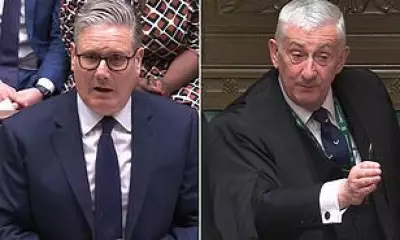
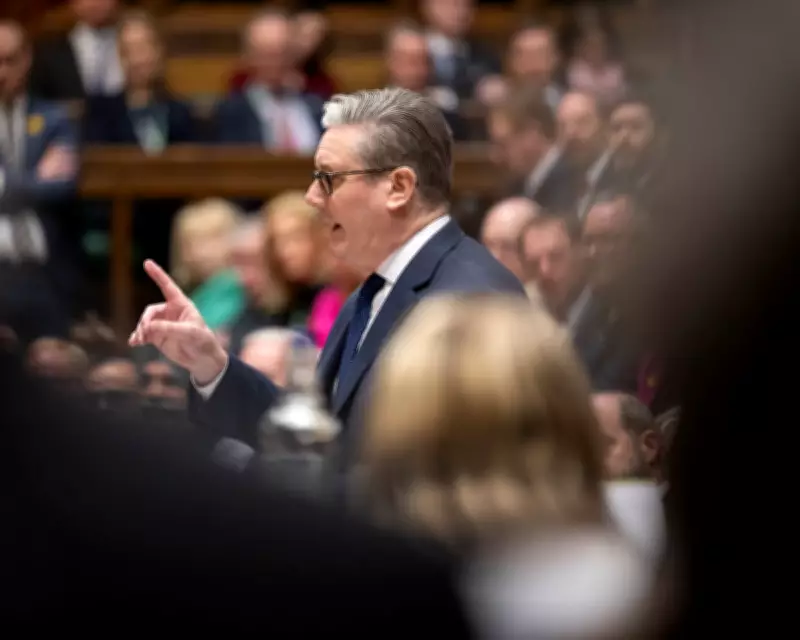
Senior cabinet ministers, led by Energy Secretary Ed Miliband, are reported to have blocked Prime Minister Keir Starmer from granting the United States permission to utilise British military bases for launching strikes against Iran. According to a detailed report in the Spectator, this internal cabinet opposition prevented a significant escalation in UK involvement in Middle Eastern military operations.
Key Ministers Rally Against Prime Minister's Proposal
Chancellor Rachel Reeves, Foreign Secretary Yvette Cooper, and Home Secretary Shabana Mahmood are said to have rallied behind Miliband in opposing Starmer's initial inclination to approve the US request. The American military sought access to bases in Gloucestershire and the Chagos Islands to conduct bombing runs targeting Iran, framing them as "defensive strikes."
Prime Minister Starmer, who was reportedly supported by Defence Secretary Jon Healey in this matter, ultimately bowed to the substantial pressure from vocal opponents within his own cabinet. This decision highlights the complex dynamics and internal debates shaping the UK's foreign policy under the current administration.

Legal and Operational Concerns Cited
The controversy stems from a US request made on 11 February. Attorney General Richard Hermer provided crucial legal advice, stating that facilitating such strikes would constitute a breach of international law. Hermer emphasised that Britain could not legally facilitate, let alone participate in, such military actions under the proposed circumstances.
Despite this, the Ministry of Defence had reportedly worked with and advised its US counterparts on how to draft the operational request. By Sunday afternoon, the National Security Council had given preliminary approval for the US to launch what were described as "defensive strikes." This approval came more than 24 hours after an initial "pre-emptive strike" on Iran had already been conducted.
Broader Context of UK-US Military Cooperation
This incident occurs against a backdrop of strained communication regarding joint military actions. Sources have revealed to the Guardian that the United States did not share exact operational details or specific timings with the UK before executing joint strikes with Israel on Iran. The US decision to exclude the UK from the official operational loop, combined with Starmer's ultimate refusal to permit the use of British bases, marks a notable moment in the transatlantic military partnership.
Additional Political and Security Developments
Cyprus Drone Incident: Defence Secretary Jon Healey has flown to Cyprus to manage the diplomatic fallout following a drone attack on an RAF base. The drone, believed to have been launched by pro-Iranian militia in Lebanon or western Iraq, evaded detection by flying low and slow, prompting significant concern from local ministers.
Asylum Policy Changes: The Home Office has announced that up to 21,000 asylum seekers who have waited over a year for their claims to be processed may be allowed to enter the job market to support themselves. This measure, part of a package to be unveiled on Thursday, aims to help empty asylum hotels. Concurrently, claimants who break the law, work illegally, or are found to have sufficient assets will lose their support payments from June.
Espionage Allegations: One of three men arrested on suspicion of spying for China has been identified as David Taylor, the husband of Labour MP Joani Reid. Reid, MP for East Kilbride and Strathaven, stated she has never seen anything to suggest her husband broke any law and emphasised that neither she nor her children are part of the investigation.
Labour Internal Criticism: Andy Burnham, the Mayor of Greater Manchester, has reignited tensions with Keir Starmer's leadership, criticising what he called the "bankruptcy" of the party's campaigning approach. This criticism follows Labour's loss of the previously safe seat of Gorton and Denton.

BBC Independence Push: The BBC is advocating for an end to political appointments to its board as part of sweeping changes designed to protect its editorial independence. The corporation also seeks to have its royal charter placed on a permanent footing to avoid the existential threat of renegotiation with ministers every decade.