Memory Lapses Plague PMQs as Leaders Dodge Critical Questions
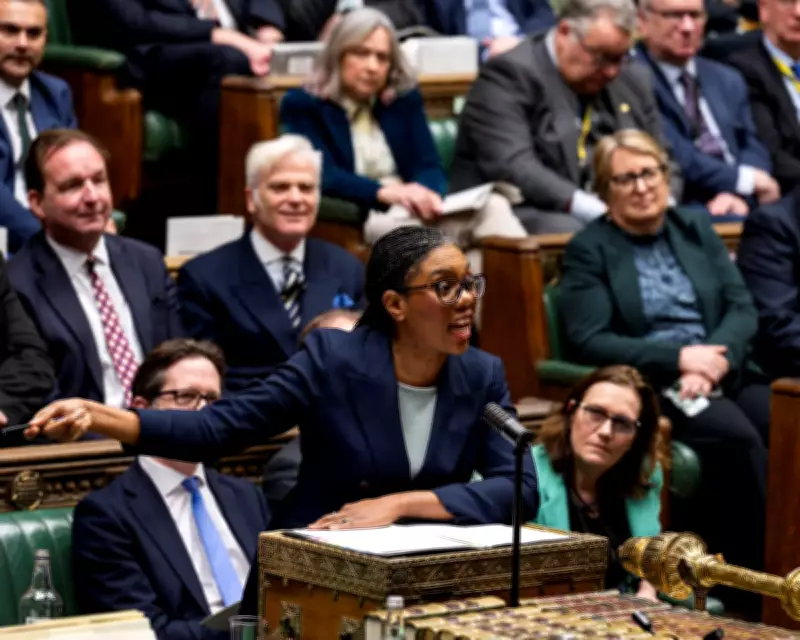
A peculiar atmosphere descended upon Westminster during Prime Minister's Questions, with both Keir Starmer and Kemi Badenoch appearing to suffer from significant memory lapses. The session devolved into a frustrating exchange where questions were posed but rarely answered, leaving observers questioning the effectiveness of parliamentary scrutiny.
Competing Forms of Amnesia
Labour leader Keir Starmer demonstrated complete memory loss regarding his interactions with Peter Mandelson, while Conservative leader Kemi Badenoch appeared to have forgotten crucial details about the escalating conflict between the United States and Iran. This created a bizarre dynamic where both leaders talked past each other, unable to address the substantive issues raised by their opponent.
Starmer's memory gap centered on his relationship with former minister Peter Mandelson, with the Labour leader unable to confirm whether he had spoken to Mandelson before a key appointment was confirmed. "There's a hole in my memory where Mandy used to be," Starmer essentially admitted, though he maintained confidence in proper processes being followed.

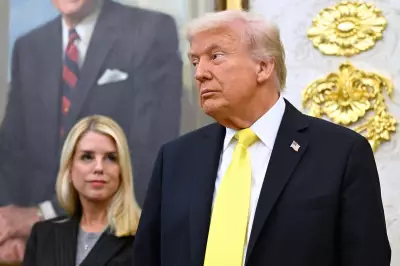
Meanwhile, Badenoch appeared trapped in a permanent present, seemingly unable to recall her own recent statements about the Middle East conflict. Just one day prior to PMQs, she had criticized Donald Trump's comments about Starmer as "childish," yet during the session she displayed complete blankness when questioned about her position on potential British involvement in the Iran conflict.
Strategic Memory Loss or Genuine Forgetfulness?
The memory issues raised questions about whether this represented genuine forgetfulness or strategic avoidance. Starmer's failure to answer straightforward questions about Mandelson risked making him appear evasive, though he maintained that his memory lapses were genuine rather than calculated.
Badenoch's selective memory proved particularly puzzling given the global significance of the Iran conflict, which has dominated international news cycles for weeks and threatens economic stability worldwide. Instead of addressing this critical issue, she focused her questions exclusively on the Mandelson controversy.
Escalation and Deflection
As the session progressed, Starmer attempted to turn the tables by highlighting Badenoch's memory gaps regarding the Iran war and questioning her support for shadow justice secretary Nick Timothy. Timothy had recently faced criticism for controversial comments about Muslims praying in Trafalgar Square, which he described as an "act of cultural and religious domination."
Badenoch defended Timothy, claiming he was merely upholding "British values," though this interpretation appeared to align with more extreme political perspectives. The exchange revealed how memory lapses intersected with substantive policy disagreements, creating a confusing parliamentary spectacle.
Broader Parliamentary Dysfunction
The memory issues extended beyond the two main party leaders, with Nigel Farage also appearing disconnected from reality during his questioning. Farage inquired about government measures to prevent an energy cost of living crisis, despite having recently advocated for escalating the very conflict causing global oil shortages.
Tory backbenchers expressed outrage that Starmer avoided answering Badenoch's questions, though this criticism rang hollow given similar behavior from Conservative leaders in recent years. The session ultimately highlighted how memory problems, whether genuine or strategic, undermine parliamentary accountability and public trust.
As Westminster grapples with what some have jokingly suggested might be a "mutant pathogen in the water," the PMQs session served as a stark reminder of how memory lapses can paralyze political discourse. With both major party leaders appearing to operate with significant gaps in their recollection, the session became what one observer described as "parliament at its worst—a session to forget."