Meloni's Justice Referendum Defeat Exposes Trump Factor Cost in Italy
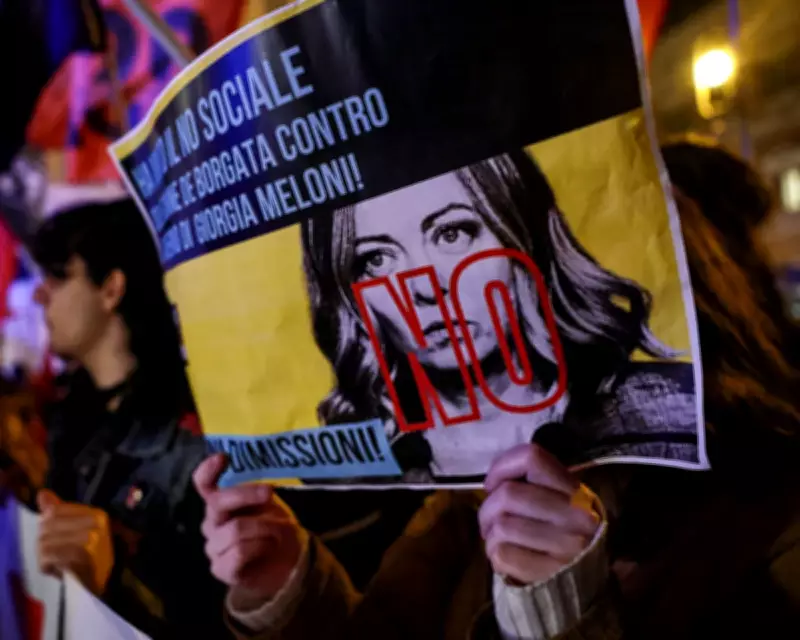
Italian Prime Minister Giorgia Meloni has suffered a major political setback following the defeat of her government's proposed constitutional reform of the judiciary in a national referendum held on 23 March 2026. Voters rejected the reforms by a margin of 53.2% to 46.8%, delivering a significant blow to Meloni's administration and highlighting the growing electoral cost of her alignment with former US President Donald Trump.
A Surprising Reversal for a Pragmatic Leader
Giorgia Meloni has built her political career on defying expectations. As Italy's youngest cabinet member at age 31 and the country's first female prime minister, she overcame significant barriers in Italian politics. Since taking office in autumn 2022, Meloni has demonstrated pragmatic leadership, particularly in foreign policy where her staunch support for Ukraine and constructive relationship with European Union leaders earned her international credibility.
This context makes the referendum defeat particularly significant. Approval ratings for Meloni's Brothers of Italy party have remained remarkably stable since 2022, and she has consistently outperformed most fellow European leaders in terms of popular support. Polls conducted shortly before the referendum even showed the yes campaign ahead, making the final result especially surprising.

The Controversial Judicial Reform Proposal
The defeated reform, approved along party lines in parliament, proposed fundamental changes to Italy's judicial system. The key provisions included fully separating the careers of judges and public prosecutors, dividing the Consiglio Superiore della Magistratura (CSM) into two separate self-governing bodies, and creating a third council with oversight functions. Most controversially, members of these bodies would have been chosen through a lottery system rather than by vote.
Meloni sought to capitalize on widespread Italian dissatisfaction with a judicial system often criticized as slow, cumbersome, and unreliable. She also appealed to long-standing right-wing narratives about politicized public prosecutors, a theme prominent since the Silvio Berlusconi era. However, the yes campaign failed to convincingly demonstrate how these reforms would create a speedier or fairer judicial system.
Campaign Dynamics and the Trump Factor
The referendum campaign evolved into a no-holds-barred struggle between the executive and judiciary. Opponents argued the reforms would subordinate the judiciary to the government, while supporters claimed they would prevent prosecutors from overstepping their constitutional mandate. Solid evidence was scarce on both sides, but the no campaign effectively highlighted statements by Meloni and her majority that reinforced perceptions of government targeting prosecutors.
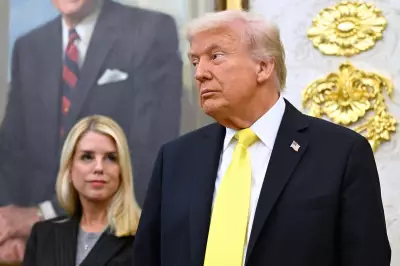
Meloni's alignment with foreign leaders of questionable democratic credentials, particularly Hungary's Viktor Orbán, further weakened her position. However, the most significant factor proved to be her proximity to Donald Trump. While this relationship stems from ideological affinity and strategic pragmatism regarding US partnership, it has become increasingly problematic.
Trump's decision to attack Iran and the resulting implications for international security and Italy's economy brought these tensions into sharper focus. The breakdown of voting patterns revealed higher turnout in traditionally left-leaning central regions and major cities where opposition to Trump is strongest. Significant youth mobilization also demonstrated younger generations' dissatisfaction with Meloni's record.
Political Consequences and Future Implications
The referendum loss represents a substantial setback for Meloni's political agenda. It forces her to shelve plans for broader constitutional reforms strengthening the executive and deprives her of a major legislative achievement ahead of next year's election campaign. The defeat also serves as a cautionary tale for other right-wing European leaders, demonstrating that association with Trump can become an electoral liability.

This liability may intensify if economic costs from the Iran conflict continue rising and Italy approaches election season on the verge of recession. However, Meloni retains significant political strength and remains Italy's most potent political force. Her ruling coalition, while potentially more restive, currently lacks incentive to challenge her leadership.
The opposition emerges energized but remains a broad and diverse bloc dominated by the pro-EU Democratic party and populist-leaning Five Star Movement. Their continued division represents Meloni's greatest advantage as she navigates this political setback. The referendum has wounded but not defeated a leader who has consistently demonstrated resilience throughout her political career.