Matt Brittin's BBC Leadership Test: Vibes Versus Newsroom Scrutiny
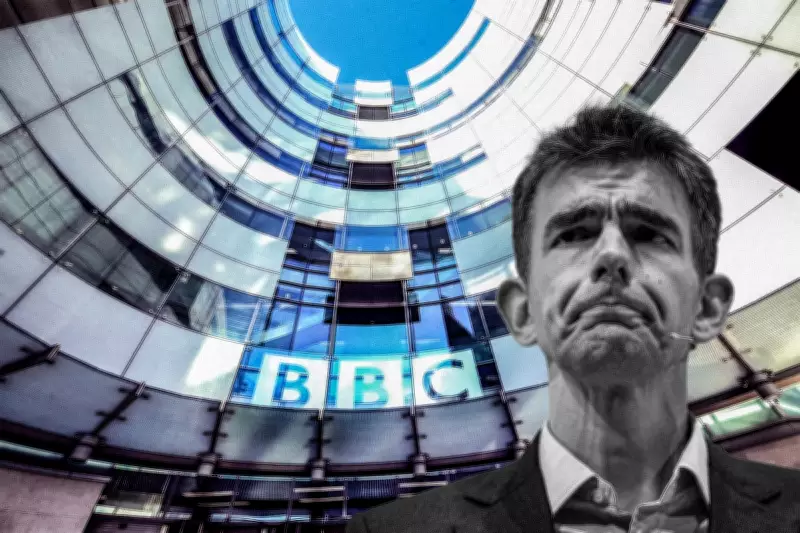
Matt Brittin has been appointed as the new director general of the BBC, a role that places him at the helm of Britain's most scrutinised news organisation. The former Google executive for Europe steps into this position during a period of intense political pressure, fierce streaming competition, and internal culture wars. His background, more aligned with tech optimism than traditional broadcast journalism, raises questions about his ability to navigate the complex landscape of public service broadcasting.
A Tech Outsider in the Broadcasting House
Brittin, aged 57, is not a familiar name in TV or media circles. He once mentioned attending the Edinburgh TV Festival incognito, a detail that amused veteran broadcast executives. This anecdote highlights the cultural gap between the insular world of television news and the tech industry, where Brittin built his career. Described as having a youthful fuzzy haircut and brooding brows, he often smiles and projects positivity, a trait that contrasts with the stereotypical arrogance of tech executives.
According to colleagues, Brittin is about good vibes, which may have appealed to a BBC board reeling from a difficult year. This included litigation involving Donald Trump, controversies over Gaza coverage, and scandals linked to figures like Huw Edwards and Tim Westwood. However, the challenges are far from over, and Brittin's leadership will be tested immediately.

Navigating Political and Cultural Minefields
Brittin faces a barrage of criticisms from all sides. He must address accusations that the BBC is too woke on trans rights and gender issues, while also countering claims of bias in its Gaza reporting. In striving for impartiality, he risks alienating everyone. Additionally, he needs to negotiate the BBC charter with Culture Secretary Lisa Nandy and respond to Reform UK's argument that the broadcaster serves only the metropolitan elite, warranting reduced licence fee support.
To secure the position, Brittin likely had to answer what one board member called the 20-point exam question: how the BBC collaborates with streaming platforms like YouTube, owned by Google's parent company, without being dominated by big tech interests. He also must balance Lord Reith's founding mission to inform, educate, and entertain with the realities of competing against deep-pocketed US rivals.
Internal Dynamics and Leadership Challenges
Brittin's appointment comes from a depleted field of candidates, with many industry leaders avoiding the role due to its high stress and modest pay. His digital expertise may have given him an edge, but his lack of editorial experience echoes that of his predecessor, Tim Davie. This gap could limit his understanding of the pressures on the BBC's impartiality model in today's divisive political climate.
Suspicion from Conservative and Reform quarters adds to his woes, given his past work with left-leaning media groups like Trinity Mirror and the Guardian. While he has supporters who praise his commitment to diversity and inclusion, this corporate approach often fuels internal debates about news coverage and staff diversity, particularly the prevalence of metropolitan, centre-left perspectives among senior roles.
Gender Balance and Future Appointments
The BBC's top leadership now lacks gender balance, with Brittin as director general and a male acting deputy, Rhodri Davies. This follows the departure of Deborah Turness, the CEO of news, and a failed effort to appoint the first female director general due to a shortage of credentialed applicants. Moving forward, it is expected that key roles, such as the head of news or a permanent deputy director general, will go to a woman. Candidates like Esme Wren of Channel 4 News and Nick Sutton of Sky News are being touted for these positions.
A recent BBC-commissioned report highlighted the broadcaster's failure to support female broadcasters in their fifties, who often vanish from airwaves. This issue will be hard for Brittin to ignore as he seeks to refresh talent and avoid inward-looking appointments.

Steely Resolve in a Treacherous Battlefield
Despite the low expectations, Brittin brings experience as a team leader capable of managing complexity. His background as a former champion rower suggests a competitive and steely nature beneath his cheerful exterior. However, as a non-journalist director general, he must demonstrate the ability to ask tough questions of BBC journalists and output, or risk having others do it for him.
When he joined Google in the early 2000s, co-founder Larry Page advised him to put the best people on important work and get out of the way. In the BBC's limelight, getting out of the way is impossible. The role comes with an ejector button, and Brittin must strap in for a bumpy ride. More than just good vibes will be needed to survive this treacherous battlefield and lead the BBC into a sustainable future.