Mahmood's Immigration Plan: Labour's Final Stand Against Political Extremism
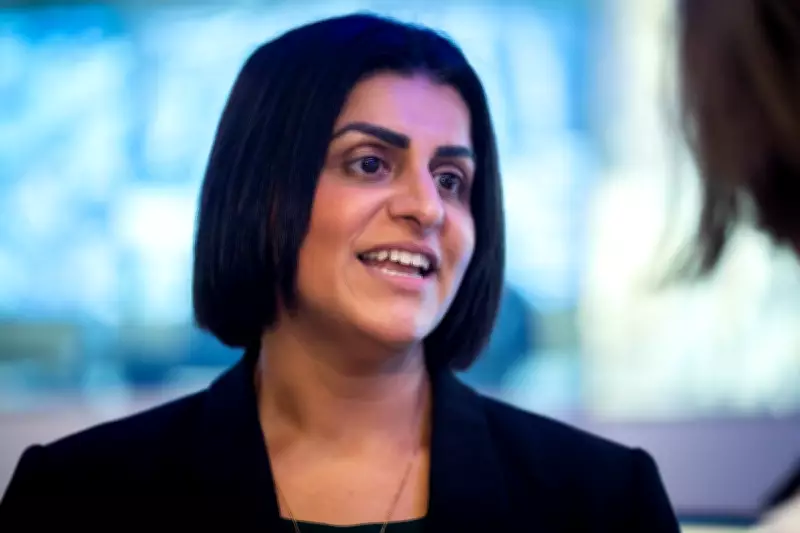
Home Secretary Shabana Mahmood's determination to implement stringent new asylum and immigration laws has ignited significant controversy within the Labour Party and trade union circles. Many perceive this legislative push as deliberately provocative, potentially causing further damage to the Labour brand during a period of intense internal strife.
By-Election Fallout Fuels Leadership Crisis
The recent defeat in the Gorton and Denton by-election to the Green Party has intensified anger toward Mahmood's approach. For many on Labour's left wing, this electoral setback confirms their belief that Sir Keir Starmer's leadership has systematically eroded traditional Labour values and alienated the party's core voter base. The timing of Mahmood's legislation, introduced just before crucial local, Welsh, and Scottish elections in May, suggests this may represent the final policy initiative of Starmer's embattled premiership.
Simultaneously, Mahmood's stance has positioned her as an emerging star on Labour's right flank, placing her at the center of the intensifying battle for the party's future direction and leadership succession. One prominent minister from Labour's right wing recently described Mahmood to The Independent as "head and shoulders above the rest of the cabinet" and "the only one pursuing the right solutions" to the nation's challenges.

Leadership Contenders and Internal Divisions
Mahmood's political stature received significant validation during the Christmas period when former Prime Minister Sir Tony Blair hosted an event that effectively endorsed her approach, while Starmer maintained minimal contact with lobby journalists at Downing Street gatherings. This development has solidified Mahmood's position as champion of Labour's pragmatic right wing, particularly among those seeking substantive solutions to complex issues like mass migration.
The leadership landscape reveals deepening fractures within Labour's right faction. Health Secretary Wes Streeting, previously considered a viable leadership candidate from the party's right, has reportedly lost support from former backers who claim he "bottled it" by failing to support Scottish leader Anas Sarwar's attempted coup against Starmer during the Peter Mandelson crisis. One disillusioned supporter remarked: "Wes has already had at least two chances, probably three, and bottled them all. If no one is willing to put their balls on the line and lead then we deserve everything we get."
Electoral Realities and Strategic Dilemmas
Both Streeting and Mahmood now face the challenging task of advancing the argument originally made by Starmer's disgraced former chief of staff Morgan McSweeney, who resigned amid the Mandelson scandal. McSweeney maintained that Nigel Farage's Reform UK represents the genuine threat to Labour's parliamentary seats, not the Green Party. However, following Labour's disappointing third-place finish behind Reform in the Gorton and Denton by-election, this perspective has become increasingly unpopular within party ranks.
Mahmood demonstrates particular resilience in refusing to be intimidated by extreme electoral outcomes, including defeats to parties advocating drug law liberalization and potential nuclear disarmament. When left-wing Labour MPs suggest emulating Green Party policies, they might benefit from examining the detailed implications of leader Zack Polanski's platform more carefully.
Historical Parallels and Future Dangers
Mahmood exhibits considerable political courage in addressing one of contemporary Britain's most pressing issues while offering a substantive alternative to Farage's proposed mass deportations and Trump-style ICE enforcement tactics. Nevertheless, support for pragmatic solutions appears to be diminishing within Labour's internal dynamics.
Labour risks repeating the Conservative Party's historical mistake of selecting leaders who function as ideological comfort blankets for limited electoral constituencies. In 2022, the Tories chose Liz Truss because her tax-cutting, Brexit-extremist platform appealed to right-wing fantasies rather than governance practicalities, with disastrous consequences that compounded reputational damage from Boris Johnson's premiership.

Similarly, Labour may reject Mahmood's centrist, reasonable approach in favor of Angela Rayner or another soft-left candidate who tells members what they want to hear, potentially shifting government policy sharply leftward without broader public consent. Such a move would provide perfect ammunition for political operators like Nigel Farage, who excels at exploiting perceptions of betrayal.
A Final Opportunity for Centrist Politics
A narrow pathway remains for Labour to either maintain Starmer's leadership or select a successor capable of implementing his manifesto with enhanced charisma and improved leadership qualities. Mahmood's legislative intervention on Thursday may represent the final opportunity to preserve this centrist approach and prevent British politics from being overwhelmed by extremism from both left and right perspectives.
The coming months will determine whether Labour embraces pragmatic governance or retreats into ideological comfort zones, with Mahmood's immigration plan serving as the defining battleground for the party's soul and Britain's political future.