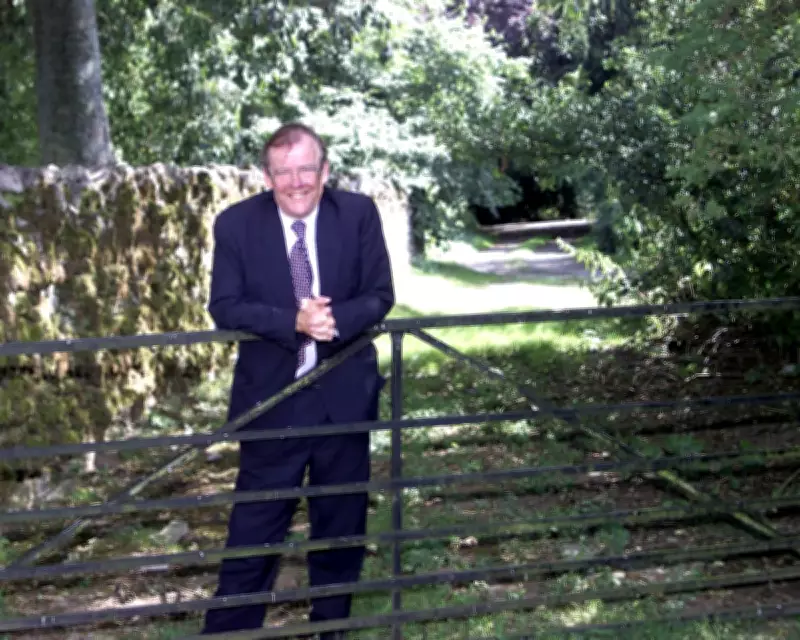
Lord Haskins, Blair's Rural Tsar, Broke with Labour Over Iraq War and Anti-Terror Laws
Chris Haskins, known as Lord Haskins, who served as Tony Blair's rural tsar, publicly distanced himself from the Labour government in the early 2000s. He cited what he termed the disgrace of anti-terrorist legislation and the Iraq war as key reasons for his departure. This move marked a significant rift for one of New Labour's most prominent business supporters.
From Business Leader to Political Advisor
Haskins built Northern Foods into Britain's leading food manufacturer over 40 years, pioneering chilled food techniques that fueled the ready meals boom. Blair praised his no nonsense approach, recruiting him to Downing Street to cut red tape and later as rural tsar after the 2001 foot and mouth outbreak. His career blended entrepreneurial acumen with a socialist conscience, often leading to outspoken critiques.
Outspoken Views and Political Rifts
In a candid New Statesman interview, Haskins remarked on Blair's desire for universal affection and warned about former Home Secretary David Blunkett. His activism, sparked by CND marches in the 1950s, extended to supporting European monetary union, English regional devolution, and reducing farm subsidies—positions that sometimes drew criticism, such as being named Villain of the Year by Country Life in 2003.

Early Life and Career Foundations
Born in Dublin to a dairy farmer, Haskins attended St Columba's college, where he embraced genial anarchy as head boy. At Trinity College Dublin, he became a radical, covering Aldermaston marches for the Irish Times. After moving to England in 1959, he married Gilda Horsley and joined Northern Dairies, later Northern Foods, where he forged a pivotal partnership with Marks & Spencer, driving annual sales to half a billion pounds.
Business Philosophy and Later Years
Haskins advocated for non-hierarchical management, allowing staff to learn from mistakes. Under his leadership, Northern Foods grew from a £300m turnover in 1979 to a peak of £2bn in 1998. He maintained farms in Ireland and Yorkshire, claiming to be a better farmer than businessman. Despite a life peerage in 1998, his relations with Labour cooled, leading to expulsion in 2005 for funding a Liberal Democrat campaign.
Legacy of Advocacy and Local Engagement
As a crossbench peer, Haskins championed regional devolution and local economic bodies in Yorkshire, though he faced setbacks as government initiatives wound down. He lamented the decline in business social spirit and community ties, founding Maritime Hull to promote nautical heritage. Reflecting on his campaigns, he once wrote, Most of the campaigns of my life have failed, largely, I comfort myself, because I have been ahead of my time.
Lord Haskins passed away at age 88, survived by his wife, five children, nine grandchildren, and a great-granddaughter, leaving a legacy of principled dissent and entrepreneurial innovation.