

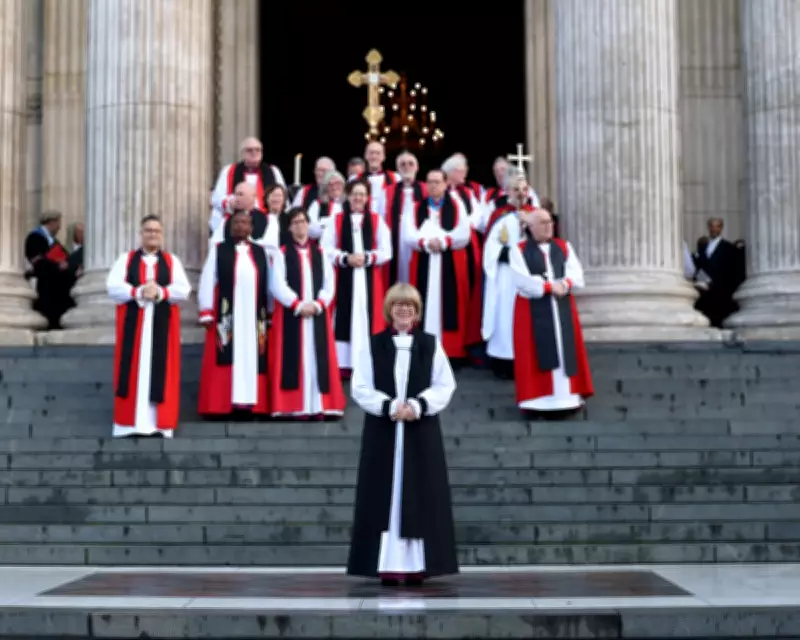
In a significant move to advance racial justice within the Church of England, clergy across London are set to be encouraged to incorporate antiracism themes into their sermons. This initiative comes as senior church figures have unlocked substantial funding to bolster diversity efforts in the capital's diocese.
Funding Boost for Inclusion Work
The Church Commissioners, responsible for managing the Church of England's assets, are providing £730,000 to the Diocese of London. This funding supports the three-year Racial Justice Priority project, which aims to enhance inclusion across more than 400 parishes and 18 boroughs north of the River Thames.
This project is distinct from the £100 million allocated to Project Spire, a broader church commitment to address historic links to the transatlantic slave trade through a fund for healing and justice. However, the RJP funding represents a clear statement of intent from the church, particularly amid criticism from conservative factions who argue that such initiatives divert resources from core parish obligations.

Theological Foundations and Practical Applications
The Right Rev Dr Anderson Jeremiah, Bishop of Edmonton and the lead bishop on racial justice for the Diocese of London, emphasised the importance of this work. He noted that the diverse congregations in London reflect the Anglican presence in Africa, Asia, and the Caribbean, a legacy of colonial history. The church must foster a sense of belonging for all, he stated.
Dr Jeremiah explained that the RJP aims to integrate racial justice into various church practices, from Bible studies and baptismal preparations to sermons. Treating each other as created in the image of God is central to our wider Christian faith, he said, highlighting the project's goal to provide resources for engaging with racial challenges in these spaces.
Key Areas of Focus
Lisa Adjei, head of the RJP for the diocese, outlined several key areas where the funding will be directed:
- Educational initiatives in churches and Church of England schools to explore links between church buildings and transatlantic slavery.
- Support for refugees and asylum seekers, promoting diversity in leadership roles within the church.
- Theologically informed unconscious bias training for parochial parish councils.
Adjei stressed that antiracist practices in education, representation, structures, and governance are priorities, alongside advocacy on issues like youth safety, health inequalities, and migration. This comes back to our theology, to who we are as the church, which is about loving our neighbour, she added, noting that faith and racial justice should coexist harmoniously.
Broader Church Context and Leadership Support
The RJP follows the 2021 report From Lament to Action, which called for urgent culture change to tackle what it termed racial sin. Insiders describe the project as funding community cohesion work while respecting parish autonomy.
Recently, Sarah Mullally, the new Archbishop of Canterbury, defended Project Spire, describing it as rooted in the Christian call to repentance, reconciliation, and, above all, hope. She countered claims that such funds detract from local parish support, citing inspiration from anti-slavery campaigners like Olaudah Equiano and affirming continued investment in diocesan and parish ministries.
Future Prospects and Engagement
Dr Jeremiah expressed hope that the RJP would catalyse further funding for racial justice work across the church. Our faith in Jesus Christ compels us to work towards equity and fairness for all, he said, emphasising the need to counter far-right narratives and build inclusive communities.
Adjei acknowledged potential pushback but remained resolute. If we were to set our focus on potential dissatisfaction we probably wouldn't start, but, because we're compelled by the love of God, even in the face of resistance, we press on. She highlighted the importance of ongoing dialogue with those who disagree, ensuring that the church's mission for racial justice continues to evolve and strengthen.






