
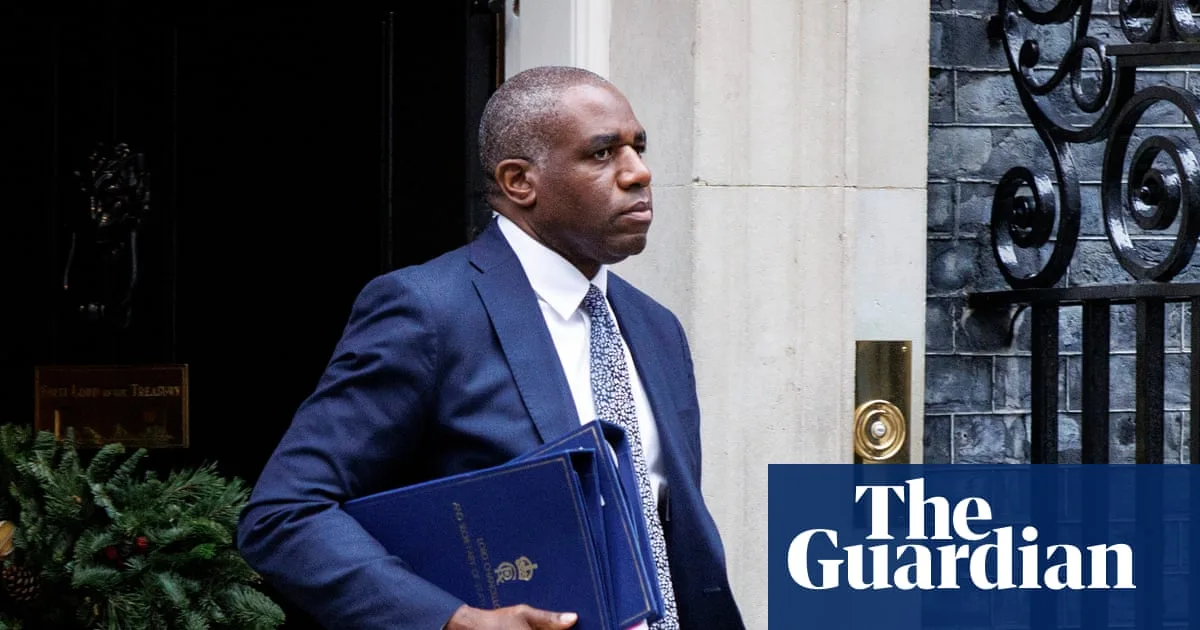
David Lammy has described as an “absolute travesty” the leaking of details from a top-secret National Security Council (NSC) meeting on the US-Israel attacks on Iran, and has called for an investigation into the breach.
The meeting, which is protected by the Official Secrets Act, reportedly exposed cabinet splits over allowing the US to use British bases for strikes against Iran. According to reports, Keir Starmer proposed permitting the bases to be used for defensive strikes, but faced opposition from Ed Miliband, Rachel Reeves, Yvette Cooper and Shabana Mahmood. Permission was ultimately granted on Sunday after Iran launched retaliatory attacks across the region.
Speaking to BBC Breakfast, Mr Lammy said the leak was an “absolute travesty” and that ministers must be able to make assessments in private, supported by the chief of defence staff and intelligence agencies. He insisted the cabinet was “absolutely united” behind the prime minister, adding that the UK would not take offensive action but would defend allies. On Sky News, he repeated his call for the matter to be “properly investigated”.
Downing Street said it had a long-standing policy of not commenting on NSC matters. The Prime Minister’s spokesperson also sought to clarify earlier comments by Mr Lammy suggesting that UK forces could legally strike Iranian missile sites, stating there had been no change in the UK’s position and that the focus remained on defensive action.
The developments come after a drone believed to have been launched by Iran or a proxy hit a hangar at RAF Akrotiri in Cyprus. The UK government is understood to be using a “broad definition of British interests” that could serve as a tripwire for strikes. Calum Miller, the Liberal Democrat foreign affairs spokesman, called for urgent clarification, warning that backing direct UK strikes on Iran risked “sliding down the slippery slope to full conflict”.




