Labour's Union Pay Deals Fail to Stem Strike Wave as Lost Days Top One Million
Official analysis has revealed a stark reality for the Labour government, with the number of working days lost to strike action surging past one million since the party's general election victory in July 2024. This alarming figure emerges despite Labour having handed substantial, inflation-busting pay increases to several key unions, often described as their political 'paymasters'.
Strike Action Escalates Despite Generous Pay Awards
Data from the Office for National Statistics shows that between July 2024 and January of this year, a staggering 1.04 million working days were wiped out due to industrial disputes. This total is expected to grow significantly in the coming months, with rail unions announcing fresh walkouts and resident doctors voting overwhelmingly in favour of another six months of crippling strikes. Talks between the militant British Medical Association and the government have completely broken down, exacerbating the situation.
This persistent industrial unrest comes despite resident doctors receiving a substantial 22 per cent pay hike less than two years ago. They are now demanding a further increase of 29 per cent, highlighting the government's failure to achieve lasting industrial peace through financial concessions. Similarly, train drivers have been awarded a 15 per cent pay rise under Labour, yet disputes continue to disrupt essential services.
Major Disruptions Across Key Sectors
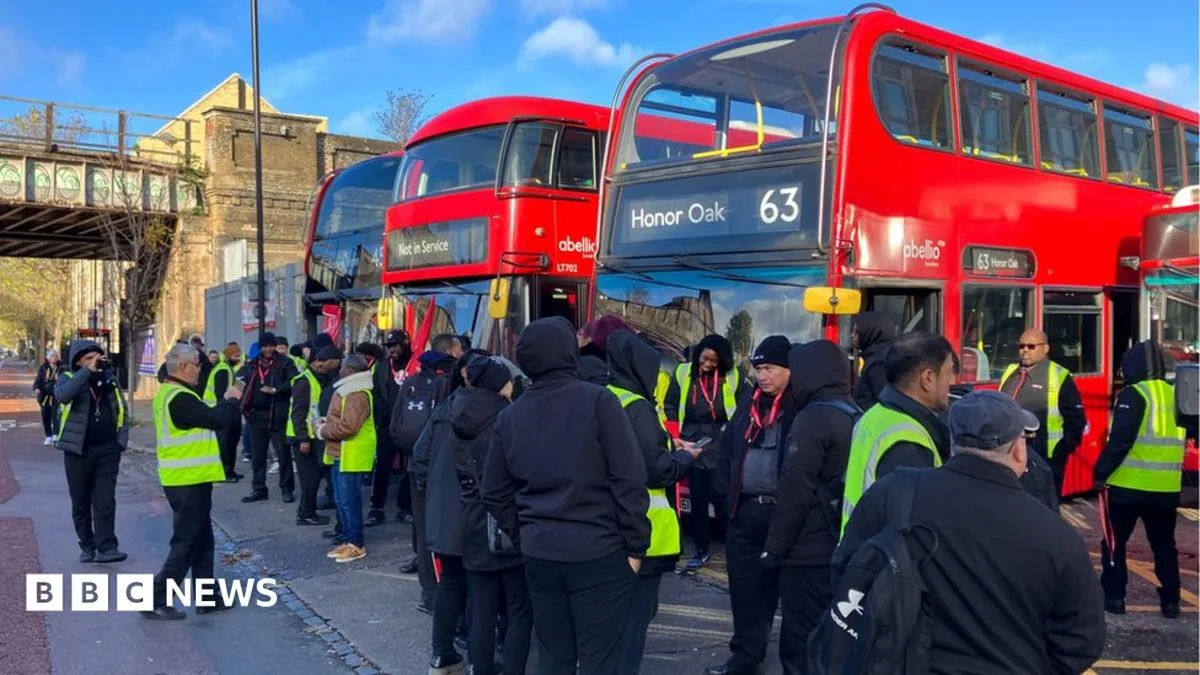
The analysis pinpoints several high-impact strikes contributing to the million-day milestone. In September last year, thousands of London Underground staff brought the capital to a grinding halt for an entire week. The militant RMT rail union has now announced fresh strikes for next month, demanding that Tube drivers' daily working hours be reduced by half an hour.
The peak of industrial action occurred in November last year, with 143,000 working days lost when resident doctors walked out for five days in a bitter pay dispute. This was followed by 119,000 days lost in December, as further strikes in the run-up to Christmas prompted Health Secretary Wes Streeting to accuse doctors of acting 'recklessly' during the NHS's annual winter crisis.
Additionally, bin collection strikes in Birmingham, which began in January last year, have added substantially to the overall tally, causing piles of rubbish to accumulate on the city's streets. Unite union members have been behind these prolonged disruptions, demonstrating the widespread nature of the industrial unrest.
Political Criticism and Union Influence
Former Conservative leader Sir Iain Duncan Smith has been vocal in his criticism, stating: 'This Labour government is in hoc to the unions. They're their paymasters. The extent to which they are is truly terrifying. They're soft when it comes to the unions and always cave into them, and that's payback for all the donations they've given Labour over the years. No wonder they're running riot.'
Further controversy surrounds the use of 'facility time', a arrangement allowing public sector workers to be paid their wages while carrying out trade union activities. Recent revelations show that nearly 15,000 public sector staff, including 3,000 NHS workers, were given paid leave last year to moonlight as trade unionists and help plot strikes. Taxpayers funded approximately £90 million to cover these costs across councils, schools, Whitehall departments, and the health service.
Of more than 20,000 union representatives embedded in public bodies, 14,976 (74 per cent) enjoyed paid leave for union work. Shockingly, 2,258 spent over half their working hours on union business, with nearly 1,000 devoting their entire time to union causes, such as handing out leaflets and planning industrial action. This means taxpayers have indirectly funded strike plots that have crippled public services, including walkouts by resident doctors, HM Revenue and Customs staff, and bin collectors.
Union Demands and Government Response
Dr Emma Runswick, the BMA deputy chairman of council, defended the strikes, stating that the government could only end the dispute by putting 'an offer on the table that restores the pay to where it needs to be, gives the much-needed increase in jobs and helps bring down patient waiting lists'. Resident doctors are striking over pay, job availability, training contracts, and working conditions, as they lobby for a 29 per cent pay increase.
In response, a Government spokesman said: 'We are investing record levels into our NHS to cut waiting lists and get patients seen on time, with more doctors and nurses on the front line.' However, this commitment has yet to translate into a resolution of the ongoing industrial disputes, leaving the public to bear the brunt of continued service disruptions.