Labour's North Sea Oil War: Reeves and Miliband Clash Over Energy Crisis
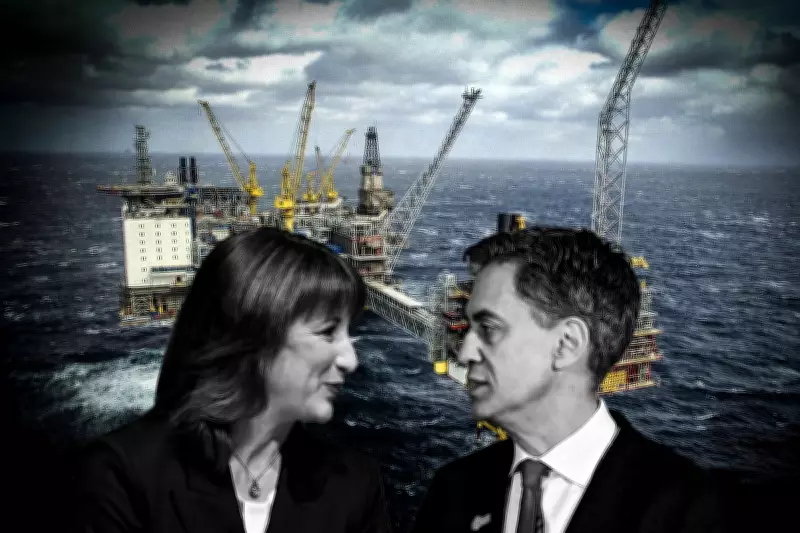
Chancellor Rachel Reeves and Energy Secretary Ed Miliband are locked in a furious Labour civil war over how to respond to the escalating oil price crisis triggered by conflict in Iran. The dispute centres fundamentally on whether Britain should increase domestic drilling in the North Sea or accelerate the shift away from fossil fuels, exposing deep ideological rifts within the party.
A History of Disagreement
The irony is palpable. Rachel Reeves once voted for Ed Miliband to become Labour leader back in 2010, a decision she now reportedly regrets. As a newly elected MP at the time, her vote helped install Miliband over his brother David—a choice that arguably altered the course of British political history, including the 2015 election and the Brexit referendum. Reeves learned from Miliband's troubled leadership that caution often prevails, while Miliband himself emerged believing he should have been bolder.
This philosophical divide has already played out once. Reeves successfully prevailed over Miliband to scrap Labour's £28 billion Green Prosperity Plan just months before the last election. Yet a similar, even more intense disagreement now rages, supercharged by the geopolitical turmoil in the Middle East and its direct impact on global energy markets.

Two Competing Visions for Britain's Energy Future
Chancellor Reeves champions what she views as a common-sense position, strongly backed by public opinion. She argues that as long as Britain needs gas, it is far better to extract it from the British sector of the North Sea. This approach, she contends, supports British jobs, contributes to British tax revenues, and reduces reliance on volatile international imports.
Energy Secretary Miliband represents the opposing green fundamentalist view. He believes Britain should actively drill less in its own waters, even if this results in increased imports, to accelerate the transition to renewable energy and combat climate change.
Prime Minister Keir Starmer has so far avoided making a decisive ruling, allowing the dispute to fester. However, an urgent new problem is accelerating toward Westminster, threatening to widen the chasm between his two most senior ministers.
The Looming Economic Storm
The immediate crisis stems from the Iran conflict disrupting global shipping. Oil tankers that would typically transit the Strait of Hormuz have remained stationary. The consequent non-arrival of these shipments in southern Asia and China will inevitably drive global oil and gas prices even higher, with significant knock-on effects for the British economy.
Professor Oliver Johnson, a mathematician from Bristol University skilled at explaining complex systems, offers a stark analogy. He compares the situation to the inevitability of the coronavirus pandemic's arrival, stating, "We're pretty much at the stage where Wile E. Coyote has run off the cliff, and we are just waiting for gravity to do the rest."
While Prime Minister Starmer has attempted to project calm, assuring the nation that Britain is "well-placed to weather" the coming storm, international bodies tell a different story. Both the IMF and the OECD have warned that the UK economy is particularly exposed to an oil price shock. The government faces a delicate balancing act: appearing neither unprepared nor alarmist, as a single misstep could trigger panic-buying and queues at petrol stations.
The Ghost of Chancellors Past
There are echoes of history in this tense pre-crisis period. Former Prime Minister Gordon Brown was famously furious with his Chancellor, Alistair Darling, when Darling warned that the 2008 financial crash would be the worst in 60 years. Chancellor Reeves has shown a similar willingness to signal trouble ahead, expressing anger at Donald Trump's decision to go to war and hinting at severe economic consequences.
So far, Reeves has merely placed a policy marker, stating that any future subsidy for gas and electricity bills—after the price cap expires in July—will be tightly targeted at the most vulnerable households, not distributed universally.

The Coming Battle Over Spending
This sets the stage for the next major political battle. Once the economic storm hits, Chancellor Reeves will insist on strict spending restraint and seek to avoid another massive increase in government borrowing, which was the response to the financial crash, the coronavirus pandemic, and the Ukraine war energy spike.
Energy Secretary Miliband, conversely, will push to "go big," advocating for extensive state intervention to shield the public from soaring energy prices. He has already attempted to use the Middle East conflict as justification for ending Britain's fossil fuel dependence. Critics argue this strategy, while theoretically sound, risks imposing even higher costs on consumers today, relying on future technological breakthroughs to solve the intermittency issues of solar and wind power.
The stakes could not be higher for the Labour government. Rachel Reeves must ensure she does not repeat her perceived mistake of 2010. For the stability of both the economy and the party, it is essential that economic realism prevails and Ed Miliband's high-risk approach is decisively defeated.