Labour's Energy Crisis Response: Vouchers vs. Vision in a Volatile Market
In a time of mounting fear over energy costs, the Labour government faces a critical test. With households grappling with soaring bills, the party's reliance on temporary fixes like money-off vouchers and fuel duty freezes is drawing sharp criticism. Experts argue that without a bold, long-term strategy for energy security, fringe groups like Reform UK are poised to capitalise on public discontent with radical, albeit controversial, proposals.
The Illusion of Action: Labour's Piecemeal Measures
Labour has deployed a series of measures aimed at mitigating the energy-price crisis. Energy bills are set to decrease in April, a £50 million heating oil fund targets poorer households, and fuel duty remains frozen until September. Additionally, the government promises vague "measures to advance our plans for clean power" and asserts it is "working with our allies to bring this conflict to an end." However, these actions are largely symbolic, designed to show intent rather than deliver substantive change.
Richard Walker, Labour's cost-of-living tsar and executive chair of Iceland supermarkets, has emphasised the need for government to "listen to business more" while warning against Green party proposals like energy price caps, which he claims could lead to rationing. Yet, his influence, derived from inherited wealth and unelected status, underscores the disconnect between policymakers and the public.

The Fallacies Undermining Labour's Approach
Three key fallacies plague Labour's response. First, the belief that a medium-sized state can micromanage household bills amid global shocks is unrealistic. From food prices to mortgage rates, the ripple effects of energy crises extend far beyond direct bills, raising questions about the need for broader oversight, such as a "helium tsar" for semiconductor-dependent goods.
Second, piecemeal restitution often goes unnoticed. The fuel duty freeze, a £3 billion expenditure, is inherently designed to be invisible, while the heating oil fund has been labelled a "slap in the face" in Northern Ireland, where two-thirds of households rely on it. Against the scale of the crisis, these measures feel insignificant.
Third, the government struggles to claim credit in a hostile media landscape. When Nigel Farage promised to pay a street's energy bills, he received glowing coverage; had Keir Starmer done the same, headlines might have focused on exclusions. This environment hampers Labour's ability to communicate effectively, even on popular initiatives like Great British Energy, a clean energy investment vehicle that has faded from public discourse.
The Rise of Radical Alternatives: Reform UK's Agenda
As Labour flounders, Reform UK is seizing the moment with bold, if contentious, ideas. The party advocates for new oil and gas exploitation in the North Sea, an immediate abandonment of net zero targets, and lifting the ban on fracking. Deputy leader Richard Tice, who attributes climate change to "the power of the sun" and "volcanoes," exemplifies this push for fossil fuel expansion. Such proposals, while environmentally risky, resonate with voters desperate for grand schemes in a time of economic uncertainty.
A Call for Systemic Reform Over Sticking Plasters
The real failure lies in treating the household budget crisis as merely a financial issue, rather than a symptom of a toxic economic settlement. Instead of coupons and temporary relief, radical ideas are needed. Spain's success in lowering energy prices by 32% below the European average through wind and solar investment offers a model. Decoupling electricity prices from volatile gas markets, as proposed by think tanks, could provide stability. Wealth taxes and framing net zero sceptics as national security threats are other disruptive options.
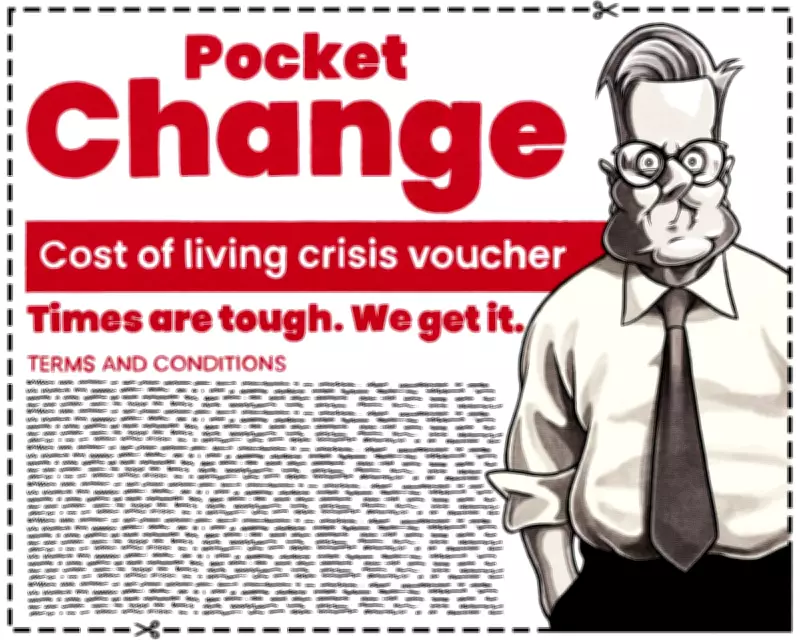
Yet, Labour persists with an "ill-formed lattice of sticking-plaster solutions" that offer no lasting benefit. This approach perpetuates the dangerous fallacy that politicians can simply pull levers on household expenditure, tying governments to the "tyranny of the monthly bill." Without a visionary shift, the party risks ceding ground to those willing to propose extreme solutions, leaving energy security in jeopardy.