Labour's Cost-of-Living Tsar Turns on Government Over Fuel Duty and Crime
In a surprising twist, Lord Richard Walker, appointed as the government's cost-of-living champion by Prime Minister Keir Starmer just two months ago, has publicly criticised Labour's own policies. Rather than targeting big businesses as initially expected, Lord Walker has directed his scrutiny towards the government's handling of fuel duty and public safety issues.
Fuel Duty Controversy
Lord Walker, the executive chairman of Iceland Foods, was tasked with identifying areas where consumers face unfair treatment and reporting directly to the Prime Minister on cost-of-living interventions. In one of his first public statements since taking the role, he argued that the current 5p-per-litre fuel duty cut needs to be "extended or enlarged." He pointed to Australia's 14p deduction as a benchmark, contrasting it with Chancellor Rachel Reeves's lukewarm support for the existing measure, which is set to expire in September.
This rebuke comes at a critical time, as millions of families face acute price rises at petrol stations during the Easter travel period. A recent study by the RAC Foundation reveals that rural drivers are particularly affected, with prices up to 10 per cent higher at countryside forecourts. Lord Walker's comments suggest the government risks being admonished by its own cost-of-living tsar if it fails to address what he describes as an "unjust tax bonanza" on petrol and diesel.

Crime Crisis in London
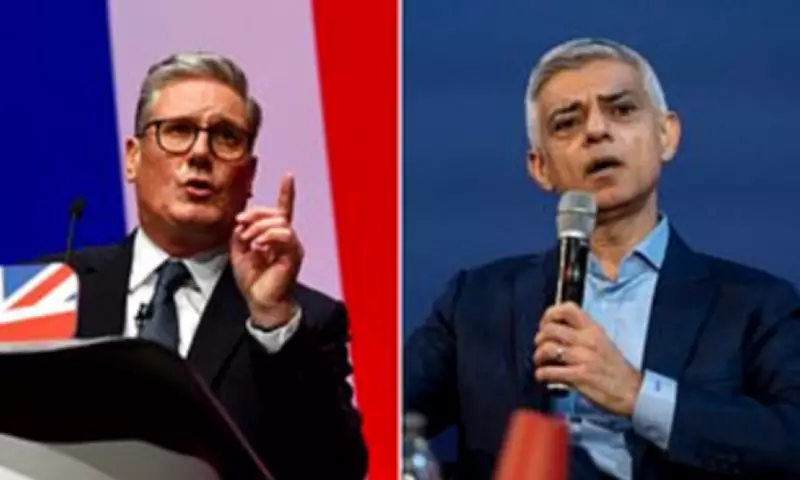
Simultaneously, Lord Walker's critique extends to law and order, where he highlights a growing crisis in the capital. Despite London Mayor Sadiq Khan's insistence that "London is a safe city" and his dismissal of contrary claims as "lies," evidence suggests otherwise. Thinus Keeve, a retail director at Marks & Spencer, contradicted the Mayor's assertions, reporting that crime has become "more brazen, more organised and more aggressive."
This perception is exacerbated by Labour's recent policy changes, including laws to end most jail terms of less than 12 months—a move that could mean nearly all shoplifters avoid prison—alongside reduced punishments and earlier releases for offenders. Critics argue that from misleading political remarks to questionable policies, Labour cannot be trusted on law and order, with the situation poised to worsen under current measures.
International Diplomacy Delays
Beyond domestic issues, Keir Starmer's government faces criticism for its handling of international crises. The UN Security Council has been accused of a lack of urgency in addressing threats to shipping in the Strait of Hormuz, with a vote on authorising defensive force postponed due to scheduling on Good Friday. While respecting Easter's sanctity is important, delays in diplomatic action risk exacerbating global economic instability, as diplomats scramble to prevent a catastrophic recession by ensuring oil flows resume.
Lord Walker's outspoken stance underscores internal tensions within Labour, as the party grapples with balancing consumer interests, public safety, and international responsibilities. His role as a cost-of-living champion has quickly evolved from a business-focused initiative to a platform for challenging government policies, highlighting the complexities of addressing household costs in a volatile economic and social landscape.