Chancellor's Budget Balancing Act
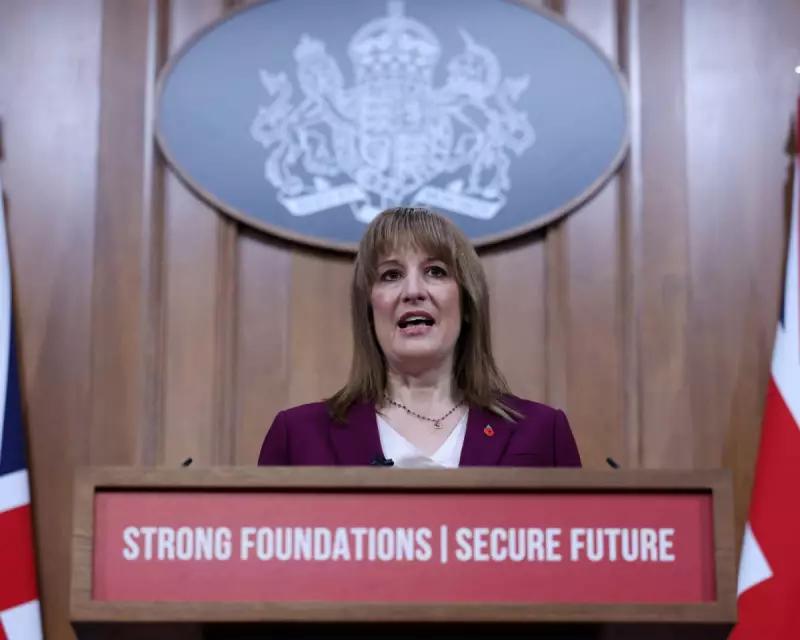
Chancellor Rachel Reeves is facing her toughest political challenge yet as she prepares for this month's autumn budget, with Downing Street openly discussing potential income tax rises that would break Labour's manifesto pledge. The government has launched an extensive charm offensive to prevent a rebellion among its own MPs, who recently demonstrated their power during summer welfare votes.
Labour's Parliamentary Challenge
Despite Labour's massive parliamentary majority, insiders describe the budget process as "wrestling a squirrel across a minefield" due to concerns about backbench opposition. Downing Street has been preparing MPs for the possibility of going back on its tax promises through private breakfast meetings and economic education sessions with experts including former Treasury minister Kitty Ussher and Social Market Foundation veteran James Kirkup.
One minister closely involved with budget preparations revealed that "colleagues who are having the most impact on the way the markets move", noting that internal party disagreements directly affect borrowing costs. The summer welfare reform votes continue to concern bond markets, with analysts frequently citing them in their assessments.
Downing Street's Proactive Approach
Unlike previous governments, Starmer's team has established an unusual "budget board" to maintain closer control over the process. Chaired jointly by Treasury minister Torsten Bell and the prime minister's chief economic adviser Minouche Shafik, the board includes key figures from both No 10 and the Treasury.
The system uses an online dashboard showing public and financial impact of each decision, with particular attention to distributional analyses. This marks a significant departure from traditional budget planning, which typically occurred behind closed Treasury doors with minimal prime ministerial involvement until the last minute.
Most cabinet ministers and frontbenchers appear resigned to a potential breach of the manifesto, with one acknowledging that "tough choices have to be made wherever you look". However, they stress the importance of presenting any tax rises as part of a forward-looking argument rooted in Labour values of fairness, rather than simply blaming previous Conservative governments.
MP Concerns and Political Calculations
Backbench MPs express mixed reactions, with some alarmed at the political implications. "I keep thinking, am I the only one who can see that this is mad?" one MP questioned, while another warned that voters abandoning Labour primarily cite broken promises and cost of living concerns.
Nevertheless, many MPs seem to accept the economic reality. A senior MP commented: "Best to go for broadest possible base now and hope for headroom towards end of parliament. Rip the band aid off." Another minister suggested Reeves and Starmer should explicitly apologise for making the tax pledge while explaining how increases would rebuild public services.
The final decision rests with the Office for Budget Responsibility's upcoming forecast revision, which could still avert an income tax rise if wage growth outperforms expectations. However, the chancellor appears determined to secure additional financial headroom, remembering the "horror of making panicked last-minute changes" during the spring statement.