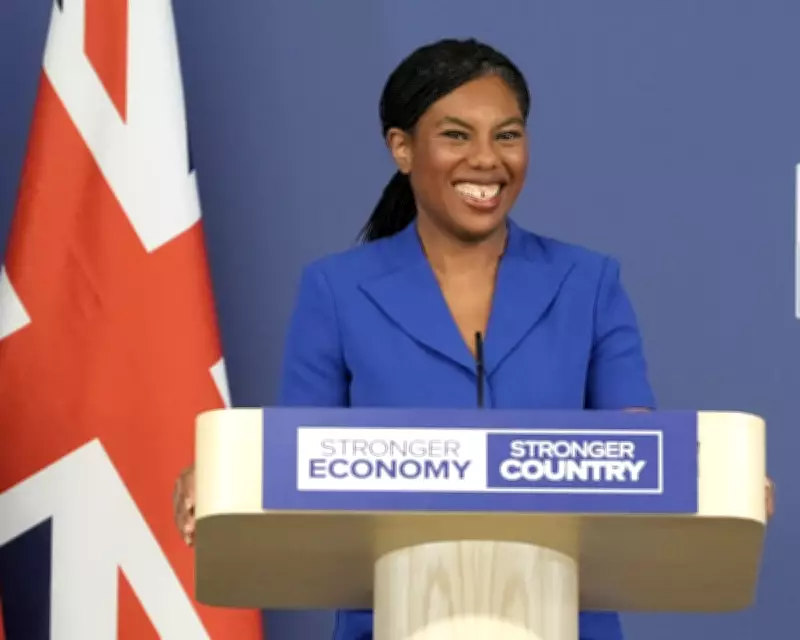
Labour has launched a sharp critique against Business Secretary Kemi Badenoch, accusing her of attempting to score cheap political points over the recent strikes in Iran. The opposition party claims that Badenoch's remarks are designed to exploit the situation for partisan advantage, rather than focusing on constructive dialogue or national security concerns.
Background on the Iran Strikes
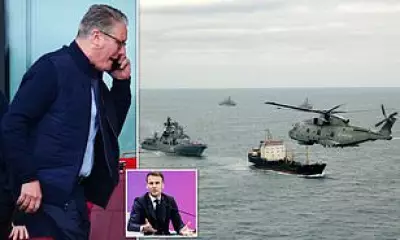
The controversy stems from recent military actions in Iran, which have sparked international debate and heightened geopolitical tensions. Badenoch, a prominent figure in the Conservative government, made public comments linking the strikes to broader political narratives, drawing immediate backlash from Labour officials.
Labour's Accusations
In a strongly worded statement, Labour representatives argued that Badenoch's approach is irresponsible and divisive. They emphasized that such sensitive international matters should be handled with caution and unity, not used as fodder for political point-scoring. The party highlighted concerns that this rhetoric could undermine diplomatic efforts and escalate conflicts unnecessarily.

Labour's criticism centers on what they perceive as a lack of statesmanship from Badenoch, suggesting that her comments prioritize short-term political gains over long-term stability. They called for a more measured and collaborative response from the government, urging leaders to avoid inflammatory language that could polarize public opinion.
Response from Badenoch and Conservatives
While Badenoch has not issued a direct rebuttal to Labour's accusations, sources close to the Business Secretary indicate that she stands by her statements as a legitimate expression of government policy. Conservative allies have defended her right to comment on international affairs, arguing that it is part of her role to engage with such issues publicly.
Some within the Conservative Party have countered Labour's claims by asserting that discussing Iran strikes is essential for transparency and accountability in foreign policy. They maintain that Badenoch's remarks were intended to inform the public and uphold democratic principles, rather than to provoke political discord.
Implications for UK Politics
This dispute highlights ongoing tensions between Labour and the Conservatives over how to address foreign policy challenges. It reflects broader partisan divides in Westminster, where international incidents often become battlegrounds for political messaging. Analysts suggest that such conflicts could influence public perception ahead of future elections, as voters weigh each party's approach to global crises.
Moreover, the incident raises questions about the appropriate tone for political discourse on sensitive topics like military actions. Critics from both sides of the aisle have called for a more respectful and fact-based debate, warning that inflammatory rhetoric could harm the UK's international reputation and domestic cohesion.
Looking Ahead
As the situation in Iran continues to evolve, Labour has pledged to monitor the government's handling closely and hold Badenoch accountable for any further politicization. They advocate for a bipartisan strategy that prioritizes diplomacy and de-escalation, rather than partisan point-scoring.
In conclusion, Labour's accusation against Kemi Badenoch underscores deep-seated political rivalries in the UK, with the Iran strikes serving as a flashpoint for broader debates over leadership and integrity in foreign affairs. The outcome of this controversy may shape future political dynamics and policy decisions in Westminster.