Labour Minister Evades Questions on Digital ID Scheme Cost and Timeline
The Labour minister responsible for implementing the government's digital ID card initiative has today declined to disclose how much the controversial program will ultimately cost taxpayers. Darren Jones, the Chief Secretary to the Prime Minister, also offered only vague indications about when the rollout might actually commence during a radio interview.
OBR Estimate Challenged But No Alternative Figure Provided
When confronted with the Office for Budget Responsibility's assessment that the already scaled-back digital ID scheme would require £1.8 billion in funding, Jones firmly rejected this projection. However, he pointedly refused to propose any alternative financial estimate for the ambitious technological undertaking.
'The number's not right and I don't quite know how the OBR came up with that number because we haven't consulted yet on what it is that we're trying to build and how we're going to build it,' Jones stated during his appearance on Times Radio.

Implementation Timeline Remains Uncertain
Pressed further on whether the actual cost might potentially exceed the OBR's calculation, the minister remained evasive. 'We're consulting on the details at the moment and we can't come forward with a figure until the public have answered our questions,' he explained.
Regarding the implementation schedule, Jones acknowledged the process would not be rapid. 'To be honest, it's not that quick. I mean, I'd rather it was quicker to be honest. But we're going to consult before the summer this year,' he revealed. 'We then have to bring legislation to parliament because we need the legal right to do that. We won't actually start building the technology until 2027 and the minimum viable case will come in 2029.'
Expanded Vision Beyond Original Proposals
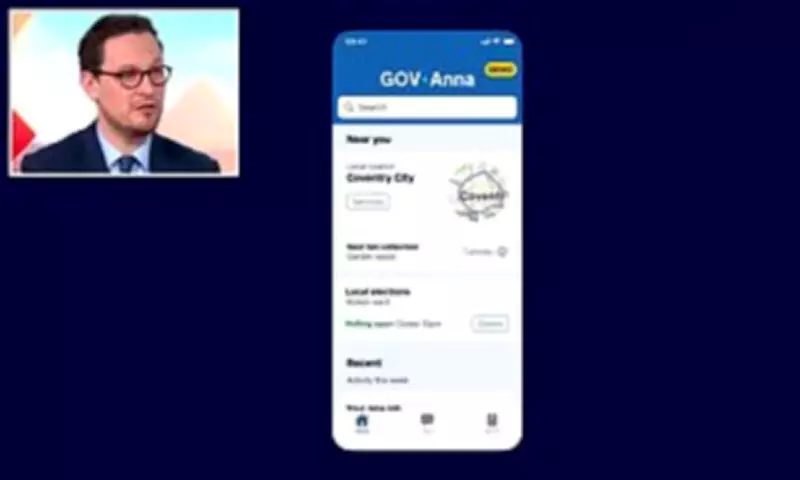
Labour unveiled its prototype system on Tuesday, providing additional details about what the digital ID scheme might encompass as part of its broader 'Government by app' initiative. While Prime Minister Keir Starmer initially promoted the concept as a mechanism to combat illegal migration, the party has now revealed a more expansive vision.
The digital ID is positioned to become a comprehensive 'front door' for accessing public services, potentially extending far beyond the original proposals. Documents released by the Cabinet Office indicate the government would retain authority to revoke an individual's digital ID and might even receive enforcement powers if people fail to maintain updated information.
Multifunctional Applications Envisioned
The initial implementation will focus on digital right-to-work verification, but ministers anticipate the system expanding to include numerous other functions:
- Childcare administration and registration
- Tax and national insurance management
- Marriage registration procedures
- Local council notifications including rubbish collection alerts
- Benefit eligibility assessments and claims facilitation
According to consultation documents, the digital ID will enable government to more easily verify an individual's eligibility for benefits, potentially simplifying access to Universal Credit, child benefits, and housing support. The system aims to 'reduce existing, systemic barriers to accessing public services' and ensure people can 'access the services to which they are entitled.'
Political Opposition and Concerns
Shadow work and pensions secretary Helen Whately cautioned that Labour's digital ID plans are 'already expanding far beyond its original reach.' She warned, 'The last thing this country needs is Digital ID encouraging more people onto the bourgeoning list of welfare claimants. Instead the Government should get getting a grip of welfare.'
Reform UK expressed more fundamental objections, with a spokesman asserting that digital ID cards 'will make no difference to illegal immigration but it will instead be used to control and penalise the rest of us.' The party emphasized that 'The state should never have this much power.'

International Inspiration
Labour has pointed to Estonia's digital identity system as a successful model, highlighting how Estonian parents 'experience a seamless, digital-first system for accessing financial support' when their child is born. The consultation document notes that 'Using their digital identity, parents register the birth online within minutes. Immediately afterward, a tailored benefits offer appears in their government account. Parents simply review and accept the offer.'
As the consultation process unfolds, significant questions remain unanswered regarding both the financial burden on taxpayers and the practical timeline for implementing this potentially transformative but controversial digital identification system.