The political landscape in New South Wales is poised for a significant transformation as Kellie Sloane emerges as the frontrunner to replace Mark Speakman as leader of the state's Liberal Party. This anticipated leadership change could substantially alter the dynamics facing Premier Chris Minns's Labor government.
A New Direction for NSW Liberals
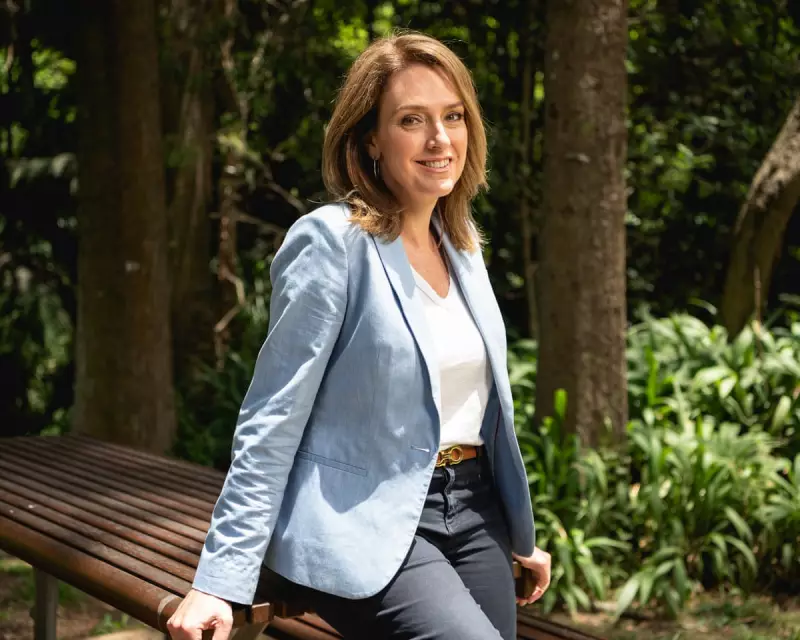
According to multiple sources within party circles, Kellie Sloane has secured the necessary support to become the next opposition leader. The move comes after Mark Speakman confirmed he would not contest the leadership when the party room meets, creating a vacancy that Sloane is expected to fill without significant opposition.
The timing of this transition is particularly crucial as the NSW Liberals seek to rebuild after their 2023 election defeat. Sloane, who currently serves as the member for Vaucluse, brings a different style and approach compared to her predecessor. Her background as a former journalist and political staffer positions her as a formidable communicator who could potentially challenge the government more effectively.
Political Implications and Challenges Ahead
Political analysts suggest that Sloane's elevation could create fresh difficulties for Premier Chris Minns. Her moderate stance within the party and proven campaigning abilities make her a potentially more dangerous opponent for the Labor government. The change in leadership represents a strategic shift for the Liberals as they attempt to reconnect with voters ahead of the next state election.
The leadership transition is expected to occur during the party room meeting scheduled for early November 2025. While Sloane appears to have consolidated support, some party insiders note that the situation could evolve rapidly if alternative candidates emerge. However, most observers consider her ascension to be almost certain given the current political calculus within the party.
What This Means for NSW Politics
This leadership change signals a potential recalibration of the opposition's strategy against the Minns government. Sloane's different background and approach may allow the Liberals to mount more effective challenges on key policy issues where the government has shown vulnerability. Her expected leadership comes at a critical juncture as the government navigates complex challenges including housing affordability, infrastructure development, and economic pressures.
The political ramifications extend beyond mere personnel changes. A Sloane-led opposition could potentially reshape the political debate in New South Wales, forcing the government to adjust its messaging and strategy. Her moderate credentials might also help the Liberals appeal to centrist voters who have drifted away from the party in recent elections.
As the Liberal Party prepares for this leadership transition, all eyes will be on how effectively Kellie Sloane can unite the party and develop a compelling alternative vision to the current government's agenda. The success or failure of this leadership change could have lasting consequences for the political balance in Australia's most populous state.