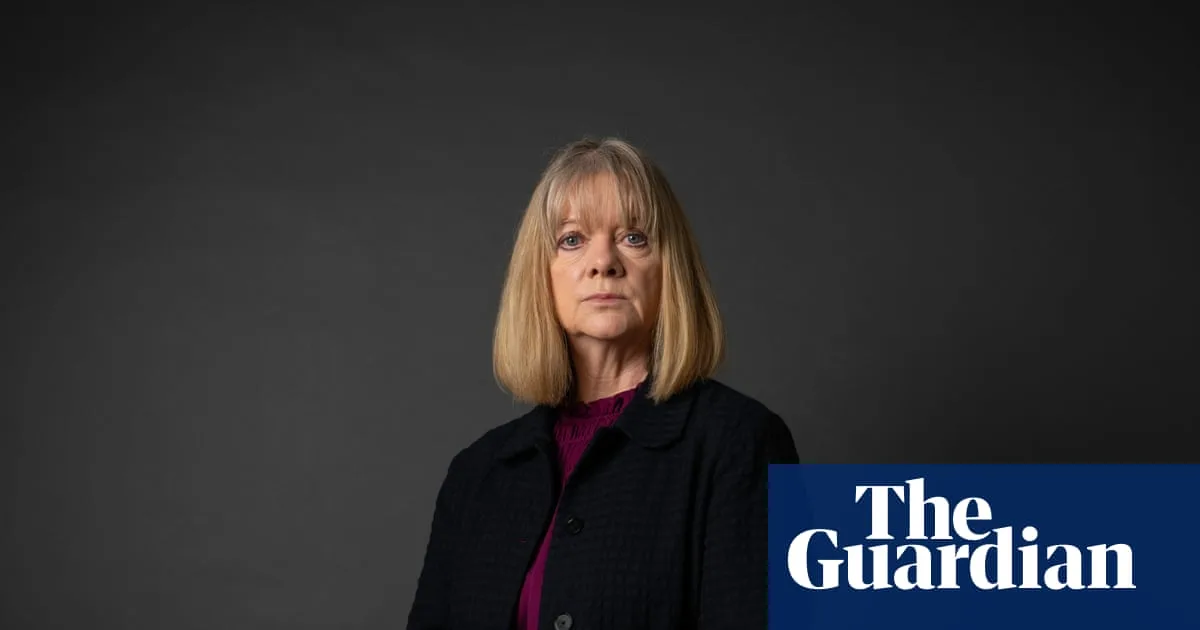
In her new book, The Good Society, social epidemiologist Kate Pickett presents a stark picture of inequality in the UK, backed by jaw-dropping facts. The co-author of The Spirit Level argues that the country is stuck in a cycle of crisis, but offers a bold vision for wholesale change.
Pickett’s book highlights alarming statistics: from 2011 to just before the pandemic, spending on preventive services for families fell by 25%; half of children born in Liverpool between 2009 and 2010 were referred to children’s services by age five; and in 2023-24, England’s local authorities had only 6% of the childcare places needed for children with disabilities. “I’m sorry to say that is not a typo,” she writes.
The Good Society synthesises research on the NHS, care systems, education, and prisons, concluding that the UK faces a crisis. The final third proposes solutions, including a “new social fabric” to address climate change, care, and other big problems. “We can’t afford to nibble at the edges,” Pickett says.
Pickett admits it feels risky to advocate for such large-scale change. “There are quite a lot of loud voices who want to tread on that kind of thinking,” she says. She was encouraged by her editor to express a bigger vision, overcoming her own doubts: “Who am I to say how the world should look?”
She attributes the sense of being stuck to decades of neoliberal capitalism, which has made alternative thinking seem utopian. “Sometimes when I talk to people about what I’m trying to do, people say, well, it’s too hard,” she says. “I think we feel stuck.”