Kamala Harris's Potential 2028 Presidential Bid Sparks Controversy
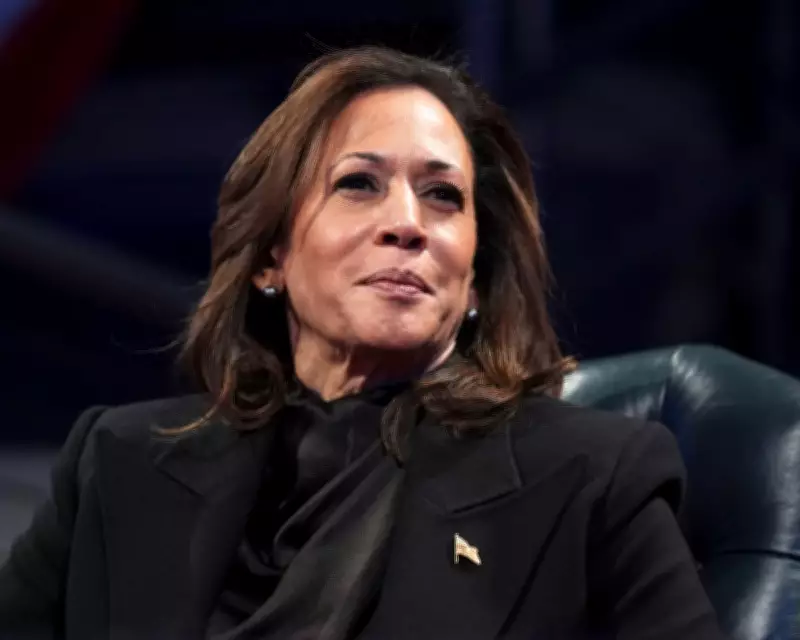
Kamala Harris has not ruled out running for president again in 2028, a prospect that has drawn sharp criticism from political observers. Since her loss to Donald Trump in the 2024 election, Harris has maintained a relatively low profile, focusing on promoting her memoir, 107 Days, and making appearances at events like the 2025 Australian Real Estate Conference. However, in interviews with the BBC and podcaster Sharon McMahon, she strongly suggested she might re-enter the political arena, stating she is "not done" with politics.
Harris's Political Capital Tested and Found Wanting
Recently, Harris dipped her foot back into politics by publicly endorsing Jasmine Crockett in the Texas Democratic Senate primary. Crockett, who co-chaired Harris's 2024 campaign, lost to James Talarico, a setback that highlights Harris's dwindling political influence. This defeat serves as a stark reminder of her challenges in rallying support within her own party.
Critics argue that Harris's 2024 campaign was marred by a lack of authenticity and conviction. She refused to break with Joe Biden, despite his hubris, and seemed more concerned with appeasing wealthy donors than addressing the pressing issues facing everyday Americans. Her silence on the genocide in Gaza, in particular, alienated many voters and exposed deeper flaws in her leadership style.

The Democratic Party's Broader Struggles
Harris's shortcomings reflect larger issues within the Democratic Party. With an obsession for centrism, the party often appears to stand for little beyond the comfort of its elite donors, failing to listen to or fight for young people. Author Ta-Nehisi Coates noted at the University of Michigan that if the party cannot draw a line at genocide, it likely cannot defend democracy either.
Democracy itself is under threat, with pro-Trump activists urging the White House to declare a national emergency to sway the 2028 election. Trump has even floated the idea of skipping elections or running for an unconstitutional third term, though his press secretary dismissed these comments as jokes. Democrats, including Joe Biden, warn that Trump may attempt to steal future elections, highlighting the urgent need for a strong, unified opposition.
Looking Ahead to 2028
As the 2028 election approaches, the Democratic Party cannot afford to repeat past mistakes. Running milquetoast candidates like Harris, who lack broad appeal, could lead to further infighting and wasted resources. The party must unite behind a winner who can effectively challenge Trump's agenda and protect democratic institutions.
Harris's memoir, 107 Days, fails to acknowledge her missteps, suggesting she has not learned from her failures. Her campaign slogan, "We're not going back," rings hollow if she cannot adapt and grow as a politician. The run-up to 2028 must not devolve into a battle of Democratic egos; instead, it requires a focused effort to rally behind a candidate capable of inspiring conviction and driving real change.
In these turbulent times, the stakes could not be higher. The Democratic Party must prioritise authenticity, listen to diverse voices, and champion issues that resonate with a broader electorate. Only then can it hope to overcome the challenges posed by Trump's administration and secure a brighter future for American democracy.