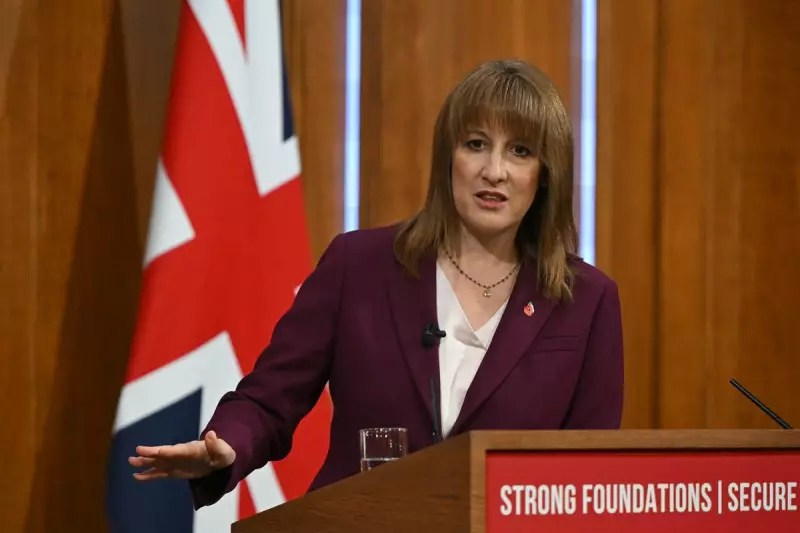
Chancellor Rachel Reeves faces significant public opposition to her reported plans to break Labour's manifesto pledge on tax increases, with new polling revealing just one in five voters support the move.
Public divided on tax promise breaking
A comprehensive survey conducted by cross-party think tank Demos, shared exclusively with The Independent, shows that only 20 per cent of the public believe it's acceptable for the government to break promises on tax, even when acknowledging it might be in the country's best interests.
The polling reveals stark political divisions, with 67 per cent of Reform supporters saying breaking tax promises would be unacceptable, compared to just 12 per cent who would accept it. Labour supporters are evenly split, with 38 per cent on each side of the argument.
Budget plans and political consequences
The findings come as The Times reported that Ms Reeves has informed the Budget watchdog of her intention to increase income tax while seeking to repair Britain's public finances. The chancellor is reportedly considering a 2p rise in income tax paired with a 2p cut in national insurance, a move that could shift the tax burden toward pensioners and landlords while raising over £6 billion annually.
In a major speech last week, Ms Reeves warned that sweeping tax rises are imminent in her upcoming Budget, stating that "we will all have to contribute" to building Britain's future while promising to put national interest above "political expediency."
Path to public acceptance
The Demos report, based on a survey of 2,000 people, suggests the political damage from breaking tax promises could be mitigated if accompanied by taxes on the wealthy and a clear vision for change. The research indicates that public consent for tax rises improves significantly when they're combined with reforms addressing tax advantages for landlords and investors, ensuring high-value properties pay their fair share, and properly taxing social harms like gambling.
Patrick English, director of political analytics at YouGov, echoed these findings, telling The Independent that while the public "definitely don't want personal tax rises... they certainly do want the government to take concrete action on things like the cost of living, public services, and the NHS."
The report tested various media simulations using mocked-up news articles, revealing that an income tax rise received less negative response when combined with higher taxes on wealth. Participants reported that such combined measures felt "less personal" as they didn't solely target "working people."
Political reactions and internal divisions
One Labour backbencher suggested the public would likely "get over a tax rise pretty quickly, if they believe we have a plan," emphasizing the need to provide hope and a clear vision rather than acting like "a new management team of a struggling company."
However, pollster Scarlett Maguire, founder of Merlin Strategy, warned that breaking manifesto pledges could be "politically disastrous," noting that "people do remember that Labour said it wouldn't raise taxes (even if they always suspected they might)."
The research emerges amid revelations of deep cabinet divisions over tax policy, with senior ministers concerned that further measures targeting the wealthy could accelerate a wealth exodus from Britain. Some cabinet ministers believe Ms Reeves has already gone too far with measures targeting businesses and the affluent.
Chris Curtis, MP for Milton Keynes North and chair of the Labour Growth Group, emphasized that the Treasury must demonstrate "credibility to markets" regardless of the tax approach chosen, while former shadow minister Thangam Debbonaire expressed uncertainty about why the party made the tax promise initially, though she acknowledged the importance of maintaining fiscal rules.