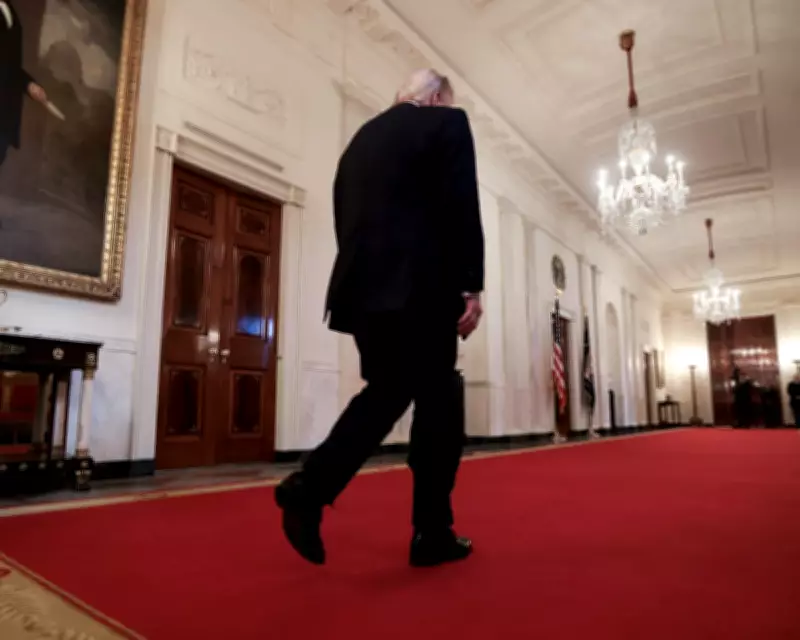
Judges Defend Democracy: Lower Courts Stand Firm Against Trump's Executive Orders
In an era where the foundations of democracy often seem fragile, federal district court judges are emerging as steadfast guardians of constitutional principles. These jurists are quietly and effectively performing their duties, challenging executive overreach and defending the rule of law amidst a turbulent political climate.
Historical Parallels: The Bravery of Past Judges
Reflecting on history, the late 1950s American South saw federal trial court judges tasked with enforcing the Supreme Court's landmark decision in Brown v Board of Education. This ruling dismantled the "separate but equal" school segregation system, but the Supreme Court's directive to proceed with "all deliberate speed" left interpretation to lower courts.
These judges confronted organized political resistance, as Jim Crow segregation had been entrenched for over half a century. Integration posed an existential threat to many southern whites, leading to passionate and sometimes violent opposition. Judges who issued desegregation rulings faced ostracism, being labeled "race traitors" by local newspapers, receiving death threats, and having their addresses circulated by Ku Klux Klan chapters. Despite these pressures, they upheld the rule of law, setting a precedent for judicial courage.

Modern-Day Judicial Gutsiness
Today, federal district court judges are demonstrating similar bravery by standing up to presidential authority and defending the Constitution. Amidst a barrage of grim news from Washington, these judges are working diligently to restrain executive actions.
They have overturned or blocked numerous executive orders, including those targeting birthright citizenship, penalizing law firms and universities, undermining election laws, reducing the federal workforce, and freezing funds. Over 650 lawsuits challenging executive orders have been filed—ten times more than in the first year of the Biden presidency—with plaintiffs winning more than twice as often as the administration.
Judicial Impatience and Sharp Rebukes
The judiciary is growing increasingly frustrated with the Trump administration's noncompliance. Judges have issued uncharacteristically sharp criticisms, using phrases like "deliberately ignorant," "chilling harm of blizzard proportion," and "an assault on constitutional rights." In at least 95 cases since August, judges have demanded officials explain why they should not be held in civil contempt, a rarely-invoked penalty aimed at enforcing legal compliance.
Immigration has been a focal point in this conflict between law and disorder. Federal district court judge Patrick Schiltz in Minneapolis highlighted the unprecedented nature of the situation, stating, "The court is not aware of another occasion in the history of the United States in which a federal court has had to threaten contempt—again and again and again—to force the United States government to comply with court orders." Schiltz, a conservative appointed by George W. Bush, has threatened criminal contempt, which could result in jail time for officials.
Political Neutrality and Personal Risks
Political affiliation has not influenced these rulings; judges appointed by Republican presidents from Reagan to Trump have been equally critical in overturning executive orders. However, standing up to the president comes with significant personal risks. Judges have been doxxed, with unwanted pizzas sent to their homes as intimidation tactics, referencing the son of a murdered judge to convey the message: "we know where you live." They have faced Swatting incidents, where fake calls led police to storm their houses, and have been inundated with threatening phone calls.
One judge reported six credible death threats, including one where someone on the dark web searched for their home address, stating they wanted gun manufacturers to "pay me a visit." President Trump has exacerbated these dangers by stirring up his supporters, vowing vengeance against judges who rule against him and making inflammatory statements, such as calling for the impeachment of a "Radical Left Lunatic" judge.

Appeals and the Broader Impact
While district court decisions are not final and can be appealed to higher courts, where the administration has had more success, their role is crucial. At a time when democratic guardrails seem weak, and Congress has been inactive, these judges serve as a rare exception, upholding constitutional demands. Like their counterparts during the Brown v Board of Education era, they are preserving the rule of law, often at great personal risk. In these challenging times, their efforts provide a glimmer of hope and a reason for celebration in the defense of democracy.