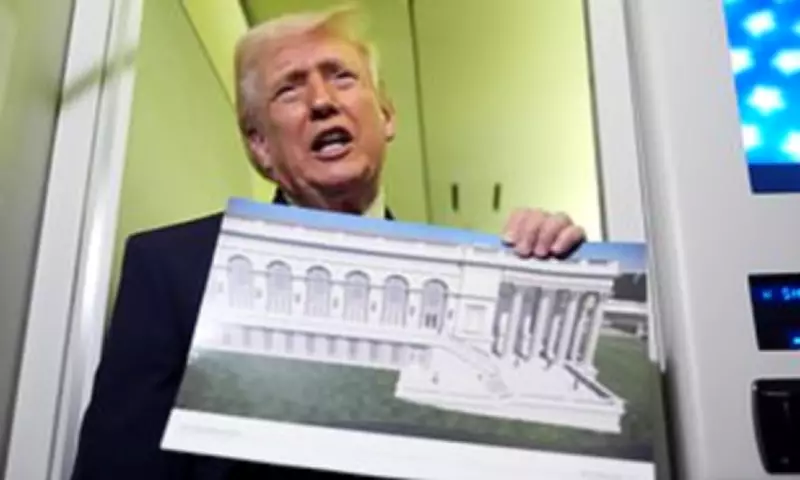
A federal judge has issued a decisive halt to President Donald Trump's ambitious White House ballroom project, delivering a significant blow to the administration's renovation plans. The ruling came on Tuesday following a lawsuit filed by the National Trust for Historic Preservation, which took legal action after the destruction of the White House's historic East Wing last autumn.
Legal Challenge Over East Wing Destruction
The National Trust for Historic Preservation argued forcefully in court that President Trump lacked the necessary Congressional approval to proceed with major alterations to the White House. The group contended that such substantial changes to the iconic building required explicit legislative consent, a point that the judge ultimately upheld in the ruling.
Background of the Ballroom Proposal
President Donald Trump had been actively promoting his vision for a new ballroom at the White House, even showcasing an image of the proposed design during a recent Air Force One trip on Sunday. The project was part of broader renovation efforts that have sparked controversy and legal scrutiny.

The destruction of the East Wing last fall served as a catalyst for the preservation group's lawsuit, highlighting concerns over the administration's approach to handling historic properties. The National Trust emphasised that the White House, as a national landmark, deserves protection from unauthorised modifications that could compromise its historical integrity.
Implications of the Judicial Ruling
This ruling underscores the ongoing tensions between executive authority and preservation mandates in the United States. By requiring Congressional approval for major White House changes, the judge has reinforced legal safeguards intended to preserve the nation's architectural heritage.
The decision is expected to delay or potentially derail the ballroom project entirely, pending further review and possible legislative action. It also sets a precedent for how future administrations might approach similar renovations, emphasising the need for transparency and compliance with historical preservation laws.
As this remains a developing story, updates will follow as more details emerge regarding the administration's response and any potential appeals. The case highlights the broader debate over balancing modernisation with the preservation of historically significant structures in the capital.