Political Pressure Mounts on BBC Leadership
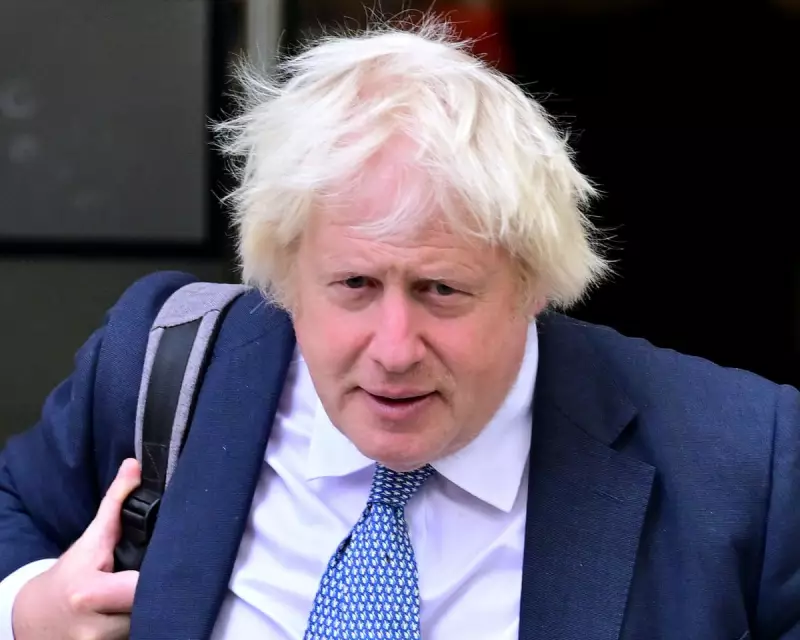
Former Prime Minister Boris Johnson has launched a blistering attack on BBC director general Tim Davie, demanding he must "either explain or resign" following the leak of an internal memo alleging systematic left-wing bias within the corporation. The dramatic intervention comes as BBC insiders express concerns about a coordinated effort to undermine the broadcaster's leadership during crucial charter renewal negotiations with the government.
The Leaked Memo and Its Allegations
The controversy centres on a document written by Michael Prescott, who served as an independent external adviser to the BBC's editorial guidelines and standards committee until summer 2023. Prescott's memo, leaked to the Daily Telegraph, contained serious criticisms of the BBC's coverage across several sensitive areas including Donald Trump, transgender rights, and the Gaza conflict.
Among the most significant allegations was the claim that Panorama selectively edited a Donald Trump speech broadcast just before the US election. Prescott asserted the programme spliced together segments from different parts of Trump's address, creating the misleading impression he directly encouraged the Capitol attack by stating: "We're going to walk down to the Capitol and I'll be there with you, and we fight. We fight like hell." These words were actually taken from sections almost an hour apart in the original speech.
The memo also raised concerns about systemic problems within BBC Arabic, alleging anti-Israel bias and insufficient action following an internal review by BBC journalist David Grossman. However, minutes from an EGSC meeting in March indicate that important structural changes had been implemented in response to these findings.
Political Reactions and Boardroom Dynamics
Johnson didn't mince words in his response, declaring the BBC had been "caught red-handed in multiple acts of leftwing bias" and dismissing suggestions of a coordinated campaign against the broadcaster as "complete and utter bollocks." He confirmed he hadn't spoken to either Prescott or BBC board member Sir Robbie Gibb for many years.
The political pressure extends beyond Johnson, with Conservative leader Kemi Badenoch stating that "heads should roll" at the corporation. Parliament's culture, media and sport committee has demanded a response from the BBC by Monday, while the corporation's board prepares its official position.
Questions have emerged about the appointment process that brought Prescott into his advisory role. Sources revealed that Gibb served on the four-person panel that interviewed Prescott for the position, with the two men previously reported as friends. Gibb, who joined the BBC board during Johnson's premiership, has faced previous accusations of political interference when he allegedly attempted to block the appointment of Jess Brammar to a senior editorial role.
Broader Implications for BBC's Future
This controversy emerges during a critical period for the BBC as it prepares for charter renewal negotiations with the government. Some observers believe the criticisms form part of a broader effort dating back to Johnson's administration to shift the UK media landscape rightward.
Labour MP Rupa Huq described Prescott's upcoming appearance before the Commons committee as "highly unusual for one person panels, particularly when they are partisan figures." The BBC board's response will be closely watched, especially given concerns that some members were appointed primarily for their commercial expertise rather than editorial judgement.
A BBC spokesperson defended the appointment process, stating that advisory roles were "advertised externally as part of the BBC's open and fair competition process" and that Prescott was interviewed by a panel of board members who collectively decided to appoint him. Regarding BBC News Arabic, the corporation acknowledged where mistakes had occurred and emphasised improved processes to prevent repetition.
As the deadline for the BBC's response to Parliament approaches, the institution faces one of its most significant leadership challenges in recent years, with its editorial independence and future direction hanging in the balance.