JD Vance Advises Winter Olympians to 'Stick to Sports' Amid Political Controversy
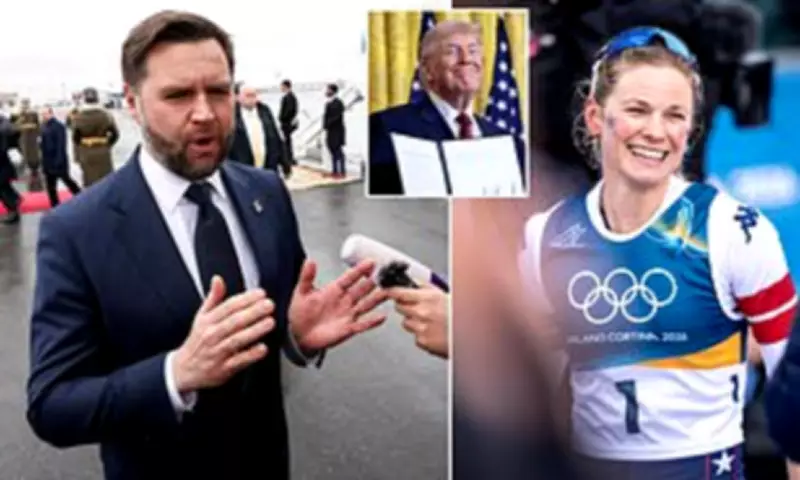
US Vice President JD Vance has publicly urged Winter Olympic athletes to concentrate on their athletic performances and avoid making political statements during international competitions. This advice comes after multiple Team USA competitors at the Milan-Cortina 2026 Winter Games have spoken out about domestic political issues in recent weeks.
Vice President's Direct Response to Athlete Comments
Vance, who faced audible disapproval from some spectators during last Friday's opening ceremony, addressed the situation directly. 'Yes, you're going to have some Olympic athletes who pop off about politics. I feel like that happens every Olympics,' the Vice President acknowledged during his remarks.
He continued with specific guidance for competitors: 'My advice to them would be to try to bring the country together, and when you're representing the country, you're representing Democrats and Republicans. You're there to play a sport, and you're there to represent your country and hopefully win a medal. You're not there to pop off about politics.'

Team USA Athletes' Political Statements
The political discourse has become particularly intense at the current Winter Games, with several American athletes expressing concerns about conditions in the United States:
- Freestyle skier Hunter Hess stated he 'doesn't represent everything that's going on in the US' and acknowledged 'mixed emotions' about competing for his country in the current political climate
- Fellow freestyle skier Chris Lillis expressed being 'heartbroken' about aggressive Immigration and Customs Enforcement actions in Minnesota
- Ice skater Amber Glenn, an LGBTQ+ rights activist, reported receiving a 'scary amount of hate' online after discussing challenges facing the queer community
- Curler Rich Ruohonen joined Lillis in criticizing immigration enforcement measures
Vance's Perspective on Political Engagement
The Vice President elaborated on his position regarding athletes entering political discussions: 'When Olympic athletes enter the political arena, they should expect some pushback.' He specifically referenced Hess's comments, noting that former President Donald Trump had labeled the skier a 'real loser' for his political remarks.
Vance balanced his criticism with recognition of athletes' overall contributions: 'But most Olympic athletes, whatever their politics, are doing a great job, certainly enjoy the support of the entire country, and I think recognize that the way to bring the country together is not to show up in a foreign country and attack the President of the United States, but it's to play your sport and to represent the country well.'
Broader Context of Athlete Activism
This exchange highlights the ongoing tension between athletic representation and political expression that has become increasingly prominent in international sports competitions. The Milan-Cortina Games have become a focal point for this debate, with American athletes joining competitors from various nations who have used the Olympic platform to address social and political concerns.
Vance's comments reflect a perspective that prioritizes national unity and traditional athletic representation over political advocacy during international sporting events, while the athletes' statements demonstrate a growing trend of sports figures engaging with political issues that affect their communities and personal values.