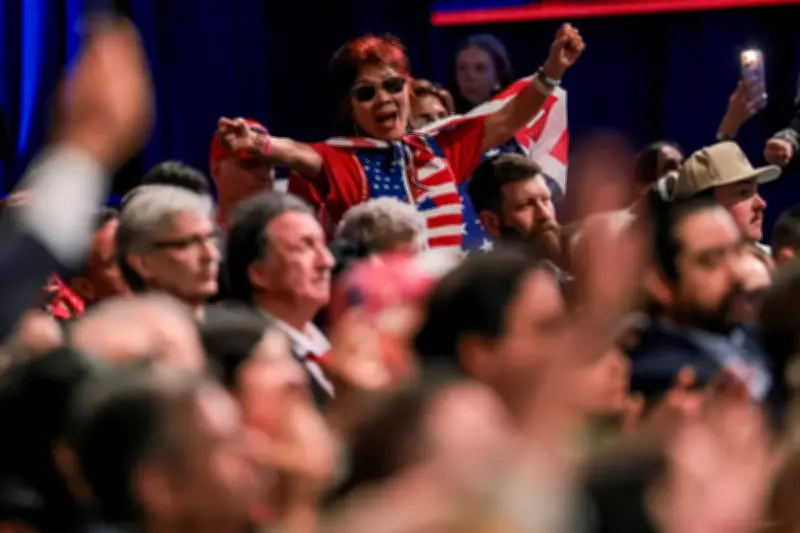
The Conservative Political Action Conference (CPAC), one of the most significant annual gatherings for right-wing politicians and activists in the United States, has released its latest straw poll, revealing Vice-President JD Vance as the top choice for the next Republican presidential candidate. The poll, conducted during this year's event in Grapevine, Texas, and reported by Reuters, shows Vance securing approximately 53% of the vote from more than 1,600 attendees.
Poll Results and Key Contenders
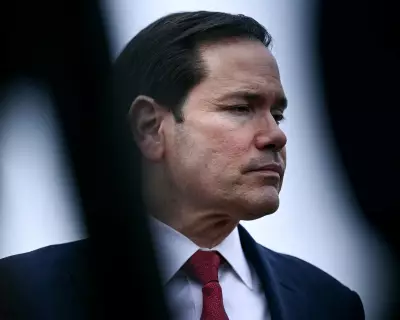
In the CPAC poll, Secretary of State Marco Rubio emerged as the second-place contender, garnering 35% of the votes. No other candidate managed to surpass 2% of the total, indicating a consolidation of conservative support behind Vance and Rubio. This outcome mirrors last year's CPAC gathering in Maryland, where Vance also led with 61% of the vote, followed by Steve Bannon at 12% and Florida Governor Ron DeSantis at 7%.
Insights into Conservative Movement Dynamics
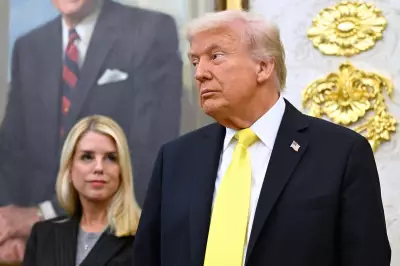
While the CPAC straw poll is not considered a completely reliable predictor of the eventual Republican nominee for presidential elections, it offers valuable insight into the perspectives of the conservative movement. The results suggest that CPAC participants remain supportive of Donald Trump's administration after just one year in office, despite growing internal rifts.

Over the past year, divisions within Trump's "Make America Great Again" (MAGA) movement have intensified, fueled by controversies such as the Epstein files fiasco and foreign wars. These issues have led some right-wing supporters to distance themselves from the movement. For instance, prominent MAGA figure Marjorie Taylor Greene resigned from Congress this year, citing the release of the Epstein files and U.S. military engagements in the Middle East as key factors in her departure.
Continuing Divisions and Foreign Policy Influence
Reporting from this year's CPAC conference indicates that, despite Vance's strong poll performance, rifts within the conservative movement continue to widen, particularly amid U.S. and Israel's conflicts with Iran. A separate Politico poll from this year shows that the majority of Trump's supporters still back him, highlighting ongoing loyalty amidst the turmoil.
Marco Rubio's rise in popularity within the right-wing movement is notable, especially compared to his 3% showing in last year's CPAC poll. His increased support is attributed to his central role in U.S. foreign policy, including military operations, political maneuvers, and the establishment of close ties with far-right leaders abroad.
Context and Historical Comparisons
Hosted by the American Conservative Union, CPAC serves as a key barometer for conservative sentiment. The gathering's annual straw poll, while not definitive, reflects shifting allegiances and emerging trends within the Republican Party. Last year's results featured Vance leading with 61%, followed by Bannon and DeSantis, underscoring Vance's consistent appeal among CPAC attendees.
This year's poll results suggest a narrowing field, with Vance and Rubio dominating the conservative landscape. As the 2024 presidential election approaches, these insights from CPAC will likely influence campaign strategies and party dynamics, even as the movement grapples with internal challenges and evolving foreign policy debates.