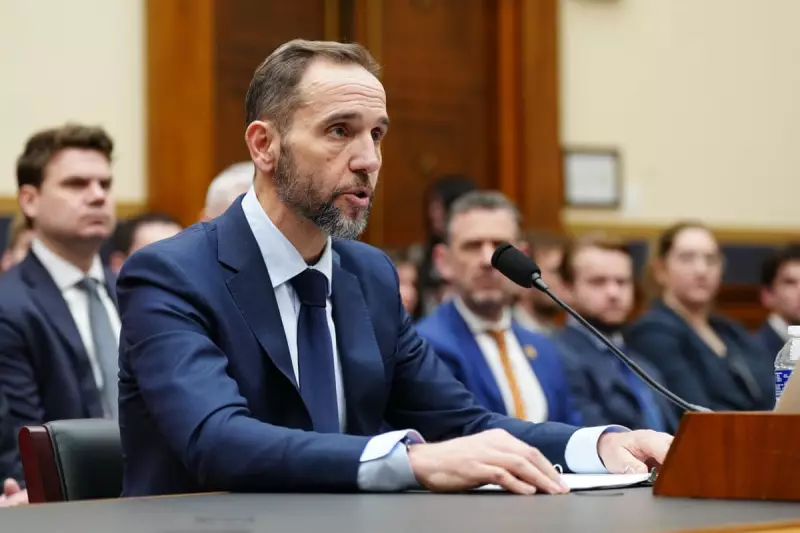
In a landmark congressional appearance, former special counsel Jack Smith delivered his first public testimony regarding his criminal investigation into Donald Trump's efforts to overturn the 2020 presidential election results. The hearing before the House judiciary committee on 22 January 2026 marked a significant moment in the ongoing political and legal saga surrounding the former president.
Smith Stands Firm on Indictment Decisions
During his opening statement, Smith was unequivocal in his defence of the investigation's conclusions. "As I testify before the committee today, I want to be clear I stand by my decisions as special counsel, including the decision to bring charges against President Trump," Smith declared. "Our investigation developed proof beyond a reasonable doubt that President Trump engaged in criminal activity."
The former special counsel, who was appointed in late 2022 to oversee two separate criminal investigations into Trump, provided detailed justification for his actions throughout the lengthy hearing. His testimony followed an extensive eight-hour closed-door interview conducted the previous month, during which he similarly defended his prosecutorial decisions.

Focus on Election Interference Allegations
Smith's investigation centred on two primary areas: Trump's retention of classified documents at his Mar-a-Lago estate and his alleged campaign to overturn the 2020 election results. While both cases were ultimately dropped following Trump's election to a second presidential term, Smith completed comprehensive reports on each matter before resigning from his position prior to Trump taking office.
During the December interview, which formed much of the basis for Thursday's public hearing, Smith focused primarily on the election interference case. He declined to address questions concerning the classified documents investigation, citing restrictions imposed by US District Judge Aileen Cannon, who had dismissed that particular case.
Controversial Phone Records Investigation
Republican committee members spent considerable time questioning Smith about his decision to obtain toll records for phone calls made by Trump and his legal team to at least nine Republican senators. These lawmakers had reportedly been pressured to halt certification of the 2020 election results.
Smith defended this investigative approach, explaining that the records – which do not include call content – were necessary to establish a comprehensive timeline for legal proceedings. "I did not choose those members, President Trump did," Smith stated, shifting responsibility for the senators' involvement onto the former president.
First Amendment Considerations
The former special counsel strongly rebutted Republican assertions that obtaining these records violated First Amendment protections. Smith argued that while political speech enjoys constitutional protection, criminal activity does not. "He was free to say that he thought he won the election – he was even free to say falsely that he won the election," Smith testified. "But what he was not free to do was violate federal law and use knowingly false statements about election fraud to target a lawful government function."
Smith further suggested that Trump and his allies had exploited the January 6 Capitol riot to advance what he characterised as a criminal scheme, maintaining that fraudulent activities fall outside First Amendment safeguards.
Legal Representation and Public Accountability
Prior to the hearing, Smith's legal representative Lanny Breuer indicated his client welcomed the opportunity for public accountability. "Jack has been clear for months he is ready and willing to answer questions in a public hearing about his investigations into President Trump's alleged unlawful efforts to overturn the 2020 election and his mishandling of classified documents," Breuer stated.
Despite Trump's repeated calls for Smith to face prosecution for investigating him, legal analysts noted there appeared to be no clear basis for criminal referral to the justice department. Smith's meticulous testimony and documented investigative procedures seemed to provide substantial justification for his actions throughout the politically charged investigation.

The hearing represents a crucial chapter in the ongoing examination of post-election activities and establishes important precedents regarding presidential accountability and the boundaries of investigative authority in politically sensitive cases.