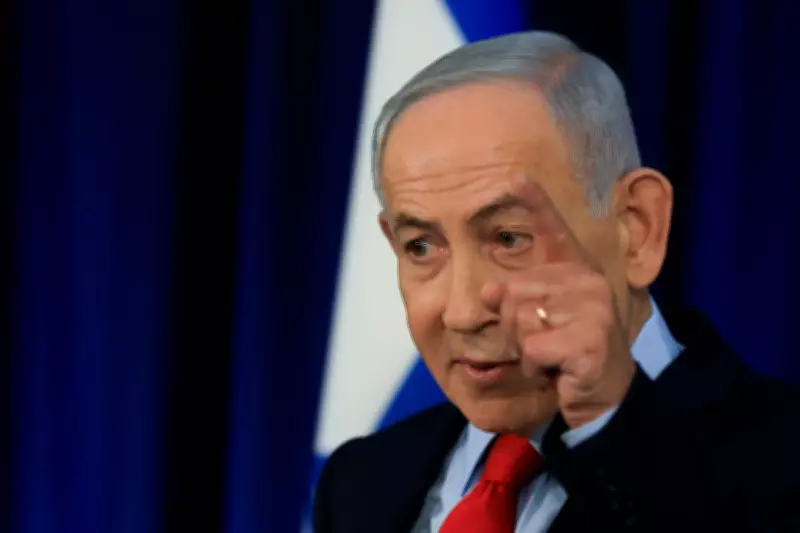
In a critical overnight session, Israel's parliament has passed the national budget, a move that effectively prevents early elections and allows Prime Minister Benjamin Netanyahu's government to continue until its scheduled term ends in the fall. The marathon legislative process concluded just before the April 1 deadline that would have automatically triggered a snap election.
Budget Passage Ensures Political Stability
The Knesset approved the $270 billion budget with a 62-55 vote after lengthy debates that were interrupted three times by missile sirens warning of attacks from Iran. For security reasons, the session was held in the parliament building's auditorium rather than the plenum, as it offers quicker access to bomb shelters.
Controversial Funding Allocations Draw Opposition Fury
Opposition parties vehemently criticized the budget for increasing funding to ultra-Orthodox communities by $250 million through a last-minute amendment. This allocation has sparked particular anger given the ultra-Orthodox community's exemption from mandatory military service while Israel faces severe personnel shortages in its ongoing conflicts.

"The government of gluttony and evasion carried out a nocturnal heist," former Prime Minister Naftali Bennett declared on social media platform X. Opposition leader Yair Lapid went further, calling the budget "the greatest theft in the state's history."
Record Defense Spending Amid Ongoing Conflicts
The budget represents Israel's largest ever, with defense spending increasing by 20% to $45 billion due to the continuing war against Iran. This substantial allocation has necessitated cuts across other government ministries. The military expansion comes as Israel simultaneously engages with Hezbollah militants in Lebanon while managing the aftermath of its two-year conflict in Gaza.
Far-right Finance Minister Bezalel Smotrich defended the budget, stating it "takes care of all Israeli citizens, without exception."
Political Implications and Election Timing
Netanyahu's government, now in the final months of its four-year term, must hold elections by late October. While Israeli governments rarely complete their full terms, this budget passage makes it likely Netanyahu will see out his mandate despite declining popularity following Hamas's October 7, 2023 attack.
Recent opinion polls indicate that while Israelis overwhelmingly support the war effort, Netanyahu and his political coalition have not gained electoral advantage from the conflict. Daily missile attacks from Iran continue to disrupt life for millions of anxious citizens, and the disruption of Persian Gulf oil flows has created global economic repercussions.
Strategic Election Timing Considerations
Delaying elections until autumn could potentially allow Netanyahu to benefit from any positive momentum from the Iran conflict once the immediate threat of nightly sirens has diminished. However, the election would then occur near the anniversary of the October 7 attack, which remains a deeply traumatic event in Israeli national consciousness.
Israel's military has extended wartime guidelines for civilians for an additional week, meaning restrictions on large gatherings and requirements to stay near bomb shelters will affect at least the beginning of Passover celebrations starting Wednesday.
The budget's passage represents a significant political victory for Netanyahu, securing his government's stability during a period of unprecedented military challenges and domestic tensions over resource allocation and national priorities.