
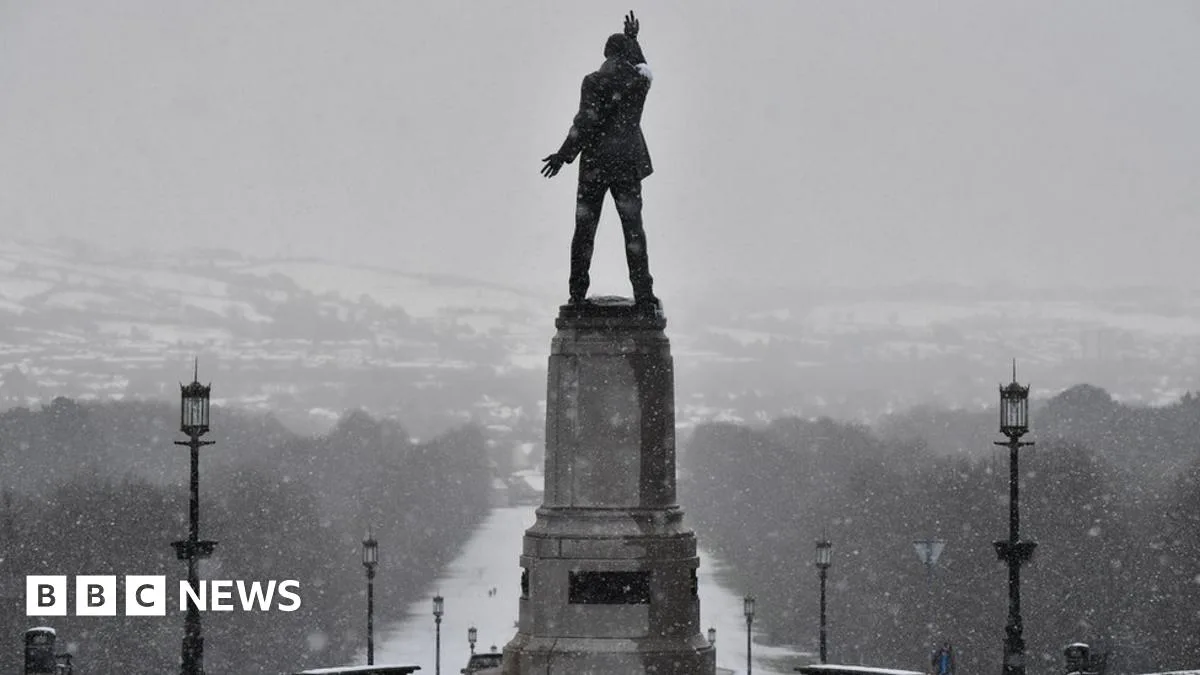
Stormont, the seat of Northern Ireland's devolved government, could soon be back in business after the region's two largest parties backed a draft agreement to restore power-sharing. The deal, published in January 2020, aims to break a three-year political deadlock that has left Northern Ireland without a functioning executive.
Stormont refers to the Northern Ireland Assembly, based in east Belfast's Stormont Estate. Established in 1998 following the Good Friday Agreement, it comprises 90 elected members who make and scrutinise laws. Its system of power-sharing allows nationalist and unionist parties to govern together, a key feature of the peace process.
The assembly collapsed in January 2017 when the Democratic Unionist Party (DUP) and Sinn Féin fell out over the DUP's handling of a green energy scandal. Sinn Féin refused to re-enter the executive unless legislation for an Irish language act was implemented, a demand resisted by the DUP. Subsequent talks, including a February 2018 attempt, failed.
Without ministers in place, Stormont's civil servants have been left to keep public services running, but they have avoided making major decisions, leaving many important issues stalled.
The new draft deal addresses key sticking points, including the Irish language issue and long-standing environmental demands. Both the DUP and Sinn Féin have accepted it, and the agreement comes just days before the Northern Ireland Secretary would have been legally obliged to call a fresh assembly election.




