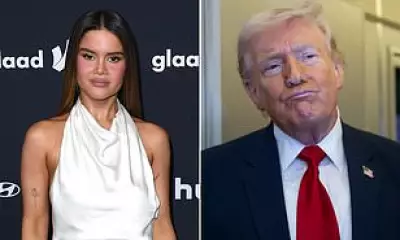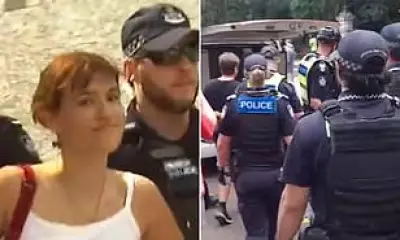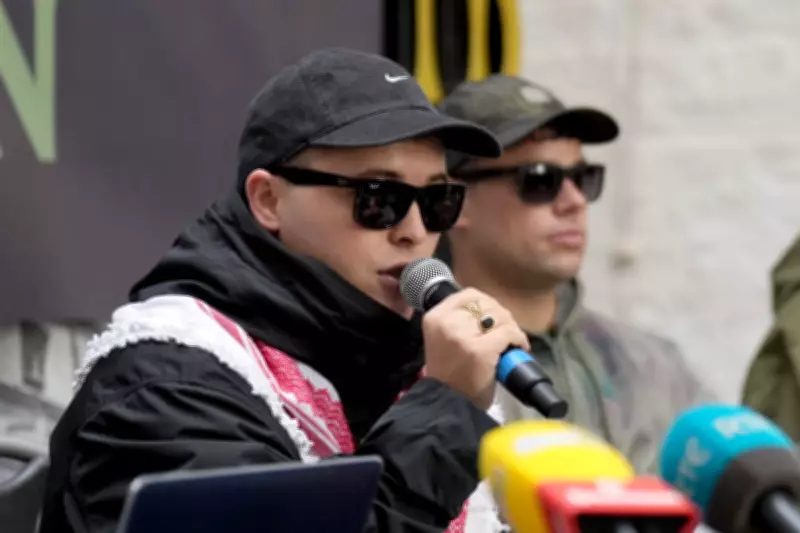
Irish Taoiseach Micheal Martin has firmly declined to involve himself in what he described as the "ping pong" between UK Prime Minister Sir Keir Starmer and the controversial Irish language rap group Kneecap. During a media interaction in Philadelphia on Sunday, the Irish premier stated that his involvement is "probably what they want, and I'm not going to oblige."
Martin's Refusal to Comment
When pressed by journalists for his perspective on the escalating political and cultural dispute, Mr. Martin made it clear he would not be drawn into commenting on Kneecap. "I've observed the degree to which this sort of ping pong gives oxygen, and so on, to groups, and that's not my role," he explained. The Taoiseach emphasized that he is concentrating on more important political business rather than engaging with what he perceives as a deliberate provocation.
Starmer's Previous Comments
The controversy stems from comments made by UK Prime Minister Sir Keir Starmer during his visit to Belfast last week. When asked for his reaction to recent legal developments involving Kneecap member Liam Og O hAnnaidh (known professionally as Mo Chara), Starmer stated: "My views on Kneecap are very well known in relation to what they stand for, and what they say, which is completely intolerable."
Starmer's remarks came after the Crown Prosecution Service lost an appeal against the dismissal of a case against O hAnnaidh. The Kneecap member had been accused of displaying a flag in support of the proscribed terror organization Hezbollah during a performance at the O2 Forum in Kentish Town, north London, on November 21, 2024. The charges were ultimately thrown out by the court.
Legal Background and Context
The legal proceedings against Mo Chara have been closely watched by both political observers and cultural commentators. The initial charges related to allegations of displaying material supporting a banned organization during the group's London concert. Following the dismissal of the case, the CPS pursued an appeal, which was subsequently lost, leaving the matter legally resolved in favor of the Kneecap member.
In his comments about the legal outcome, Starmer noted: "I think the CPS were obviously subject to the High Court decision and they will be looking at the judgment very carefully." This acknowledgment of the judicial process did little to temper his strong criticism of the group's messaging and political stance.
Political Implications
Martin's decision to avoid commentary represents a calculated political move to distance the Irish government from what he views as an unproductive controversy. By framing the exchange between Starmer and Kneecap as "ping pong" that gives "oxygen" to the group, the Taoiseach positions himself above what he perceives as a political spectacle.
The Irish premier's refusal to engage highlights the delicate balance Irish politicians must maintain when navigating cultural and political disputes that cross the Irish Sea. His emphasis on focusing on "more important business in terms of politics" suggests a prioritization of substantive governance over cultural controversies, even those involving high-profile political figures and artists.
Cultural and Political Dimensions
Kneecap has emerged as a significant cultural force in Ireland, blending Irish language rap with political commentary that often challenges established political narratives. Their work has generated both acclaim and controversy, making them a lightning rod for political discussions about Irish identity, language preservation, and political expression.
The group's legal troubles and the subsequent political reactions from figures like Starmer have elevated their profile, creating exactly the kind of attention that Martin seeks to avoid amplifying through his commentary. The Taoiseach's strategic silence represents an attempt to deny the group additional political capital while maintaining focus on his government's policy agenda.