Irish Army on Standby as Fuel Protests Trigger National Supply Crisis
The Irish army remains on high alert, prepared to assist gardai in dismantling blockades at critical infrastructure as widespread protests over soaring fuel costs plunge the nation into chaos. Premier Micheal Martin has issued a stark warning that Ireland stands on the "precipice of turning oil away from the country" entirely.
Nationwide Disruption and Government Response
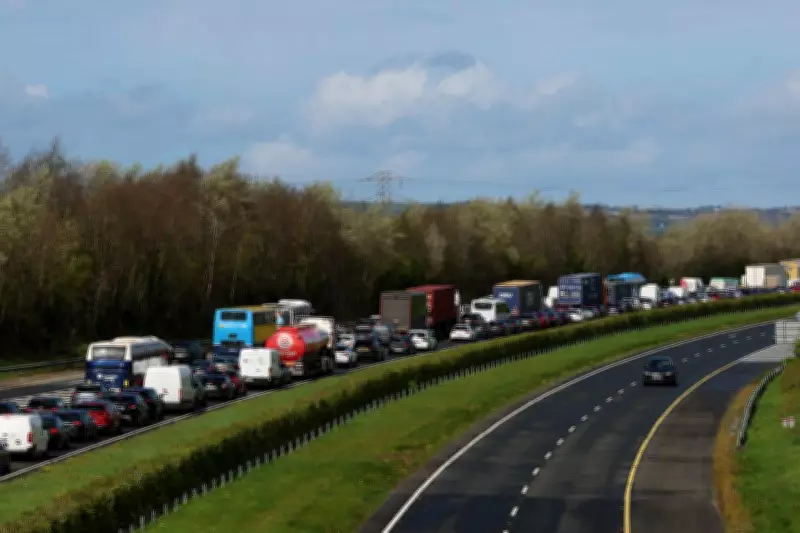
Demonstrators have blockaded Ireland's sole oil refinery in Whitegate, County Cork, along with major fuel depots in Galway City and Foynes, County Limerick. These actions, which began on Tuesday with slow-moving convoys on motorways and restricted access to Dublin's busiest streets, have now escalated to the point where they supply half the country. The Taoiseach condemned these actions as "unconscionable" and "illogical," emphasizing that the blockades are holding the nation to ransom.
Transport Minister Darragh O'Brien expressed extreme concern over the dispersal of fuel supplies across Ireland. He highlighted alarming reports of curtailment to fire and emergency services, stating that no one can stand over such impacts. While hoping to avoid heavy-handed measures, O'Brien stressed the urgent need for de-escalation.

Protesters' Demands and Stalemate
Protest leader John Dallon vowed that demonstrations would persist "until we get a result," despite being refused entry to a government meeting with representative bodies on Friday afternoon. Dallon claimed that TDs had assured him he would be permitted to attend, but he was turned away upon arrival. He emphasized that protesters had specific demands and wanted to step down the protest through dialogue.
In a limited concession, protesters at Foynes Port allowed feed and five loads of fuel to reach frontline workers and hospitals, following similar allowances for chemicals needed by Uisce Eireann on Thursday. However, the broader blockade continues, raising fears of panic buying at forecourts, some of which have already run dry.
Economic and Social Impacts
The protests, sparked by rising fuel prices linked to the war in Iran, have caused severe shortages that threaten emergency services, animal welfare on farms, and key supply deliveries. Gardai confirmed their presence at an incident in Whitegate, County Cork, on Friday morning, underscoring the tense situation.
Enterprise Minister Peter Burke announced that the government is working on a package of measures to combat inflation, potentially to be unveiled on Friday. This intervention aims to reduce grocery prices for consumers, particularly vulnerable groups. Meanwhile, government ministers are meeting with representative bodies of farmers and hauliers to discuss further support for dealing with high fuel costs.
Brokering a Solution
Ger Hyland, president of the Irish Road Haulage Association (IRHA), has offered to act as an "honest broker" between protesters and the government. Hyland stated he has been in contact with protesters through intermediaries and is available to meet with them before government discussions to convey their concerns.
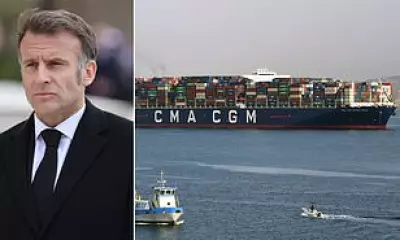
As Ireland teeters on the edge of a full-blown supply crisis, with Premier Martin warning that oil tankers off the coast of Galway may be diverted if they cannot dock, the nation watches anxiously. The army's standby status highlights the gravity of the situation, while all parties seek a resolution to prevent further economic and social disruption.