House Narrowly Rejects War Powers Resolution to Halt Trump's Iran Attack
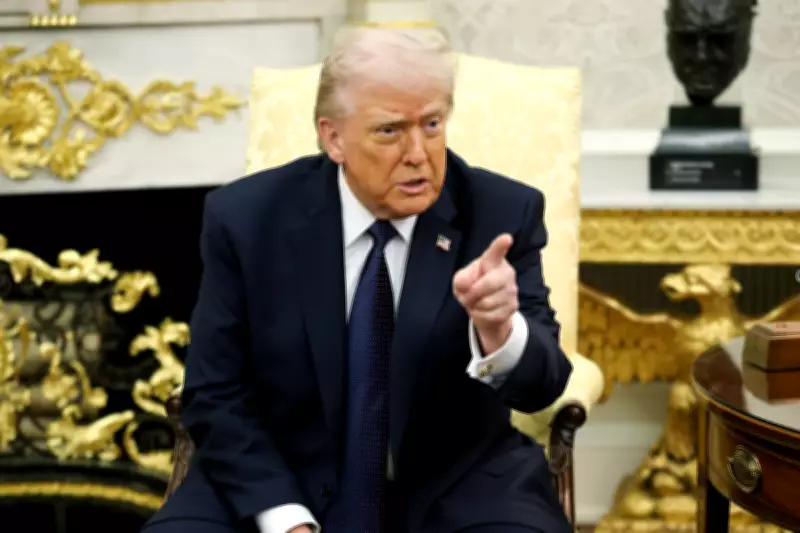
The House of Representatives has narrowly voted down a War Powers Act resolution designed to restrict President Trump's military actions in Iran. The vote, which took place on Thursday, March 5, 2026, resulted in a 219-212 defeat for the measure, underscoring deep partisan divides over presidential war powers.
Details of the Defeated Resolution
The resolution was introduced by Representatives Thomas Massie, a Republican from Kentucky, and Ro Khanna, a Democrat from California. It aimed to impose strict limitations on the president's ability to deploy troops in Iran without congressional approval. Specifically, the measure would have required the president to notify Congress within 48 hours of any troop deployment and to withdraw forces within 60 days unless Congress formally declared war.
Partisan Reactions and Legal Arguments
Most Republicans opposed the resolution, with House Speaker Mike Johnson arguing that the United States is not officially at war with Iran, thus rendering the resolution unnecessary. In contrast, nearly all Democrats supported the measure, citing concerns over unchecked executive power.

Prominent Democrats, including Representative Alexandria Ocasio-Cortez, countered that President Trump himself has referred to the operations in Iran as a "war," potentially making his actions illegal under existing statutes. This legal contention added a layer of urgency to the debate, highlighting tensions between congressional oversight and presidential authority.
Broader Legislative Context
This House vote follows a similar rejection of a War Powers Act resolution in the Senate on Wednesday, March 4, 2026. The back-to-back defeats signal a broader legislative trend of reluctance to curb presidential military powers, particularly in conflicts not formally declared as wars by Congress.
The outcome reflects ongoing debates about the balance of power in U.S. foreign policy, with implications for future military engagements and congressional accountability in an era of heightened geopolitical tensions.