Home Secretary Grants Police Request to Ban Al Quds Day March in London
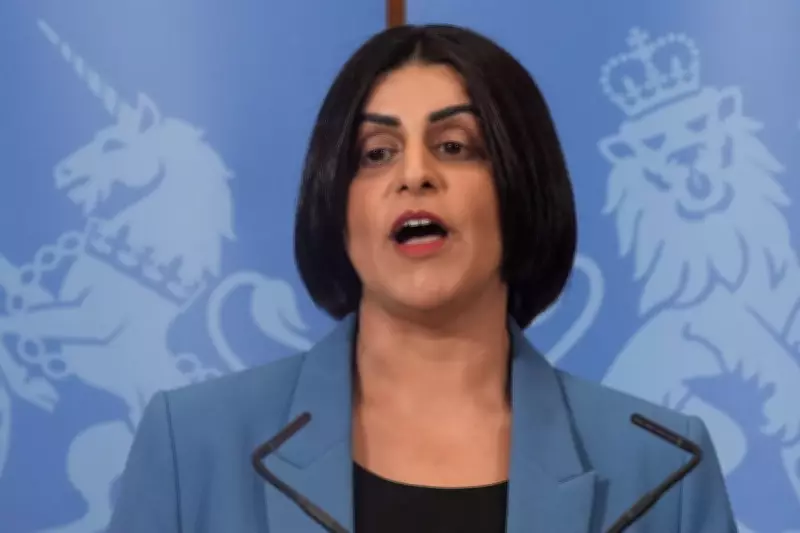
In a significant move, Home Secretary Shabana Mahmood has approved a request from the Metropolitan Police to ban a pro-Palestinian march planned for Sunday. The decision marks the first time a protest march has been prohibited in the United Kingdom since 2012, highlighting the gravity of the situation.
Preventing Serious Public Disorder
The annual Al Quds Day march in London had drawn widespread criticism over apparent support for the Iranian regime. Organisers had expressed backing for the late Ayatollah Ali Khamenei, sparking concerns about the event's nature and potential for escalation.
Announcing her decision, Shabana Mahmood stated she was "satisfied doing so is necessary to prevent serious public disorder, due to the scale of the protest and multiple counter-protests, in the context of the ongoing conflict in the Middle East."
She emphasised that the ban was not taken lightly but was essential to maintain public safety. The Home Secretary added that should a stationary demonstration proceed, police would be empowered to apply strict conditions to manage the situation effectively.
Political and Security Context
The decision follows mounting pressure from both Labour and Conservative MPs, who had called for the march to be banned amid fears of violence and division. Several counter-protests had also been planned for the same day, increasing the risk of clashes and unrest.
Shabana Mahmood further warned: "I expect to see the full force of the law applied to anyone spreading hatred and division instead of exercising their right to peaceful protest." This statement underscores the government's commitment to upholding law and order while balancing the right to protest.
The Al Quds Day event has historically been a focal point for tensions, and this year's planned march was seen as particularly volatile given the current geopolitical climate. The Metropolitan Police's request for a ban reflects their assessment of the high risk of disorder.
Implications for Future Protests
This ban sets a precedent for how authorities might handle similar events in the future, especially those linked to international conflicts. It raises questions about the limits of protest rights versus public safety, a debate that is likely to continue in political and legal circles.
The move has been welcomed by some as a necessary step to prevent violence, while others may view it as an infringement on civil liberties. Regardless, it highlights the complex challenges faced by policymakers in managing public demonstrations during times of heightened tension.