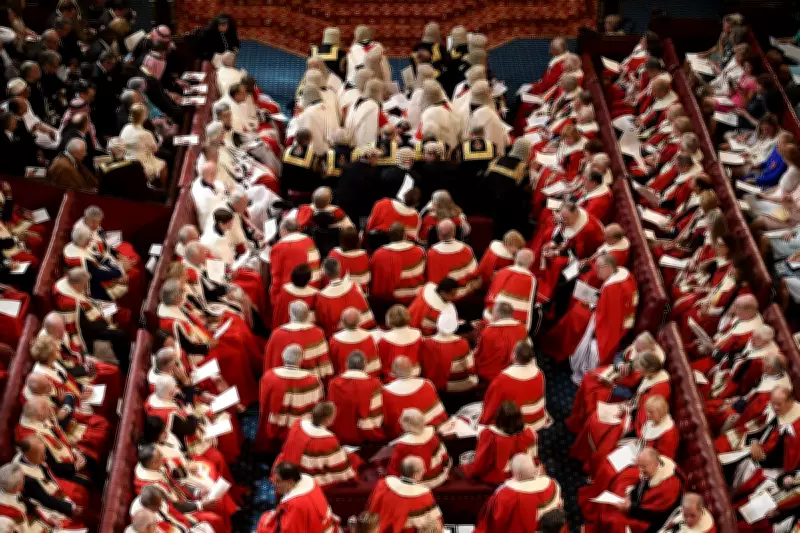
The House of Lords (Hereditary Peers) Bill has successfully completed its legislative journey through Parliament, securing final approval on Tuesday. This landmark legislation will eliminate the automatic entitlement for hereditary peers to occupy seats and cast votes within the House of Lords, effectively terminating the longstanding quota of 92 such peers. The transformative change is anticipated to be implemented before the next King's Speech, with hereditary peers relinquishing their positions upon the conclusion of the current parliamentary session.
A Historic Shift in Parliamentary Principles
Lords Leader Baroness Smith of Basildon emphasised that this reform directly confronts the fundamental principle that no individual should hold a parliamentary seat solely through inherited title. She highlighted that this change was agreed upon over a quarter of a century ago, marking a significant step towards modernising the upper chamber. The removal of hereditary peers addresses longstanding criticisms regarding the undemocratic nature of the House of Lords, aligning it more closely with contemporary democratic values.
Political Reactions and Compensatory Measures
While the reform has been welcomed by many as a necessary evolution, Conservative shadow Lords leader Lord True described it as a 'bitter pill' for numerous individuals who have served diligently. In response to concerns about losing experienced members, the government has consented to allocate a specific number of life peerages to the Conservative Party. This compensatory measure aims to balance the departure of hereditary peers with the appointment of new life peers, ensuring continuity of expertise and institutional knowledge within the revised chamber.

Implementation Timeline and Broader Implications
The abolition of hereditary peer seats is scheduled to take effect before the next King's Speech, with the current parliamentary session's end triggering the formal removal process. This historic change concludes a centuries-old tradition, reshaping the composition and legitimacy of the House of Lords. The reform is expected to enhance the chamber's democratic credentials, though it may also spark further debates about comprehensive Lords reform, including potential moves towards an elected or fully appointed system in the future.