Liberal Frontbencher Hastie's Tax Remarks Prompt Party Rebuke from Leader Taylor
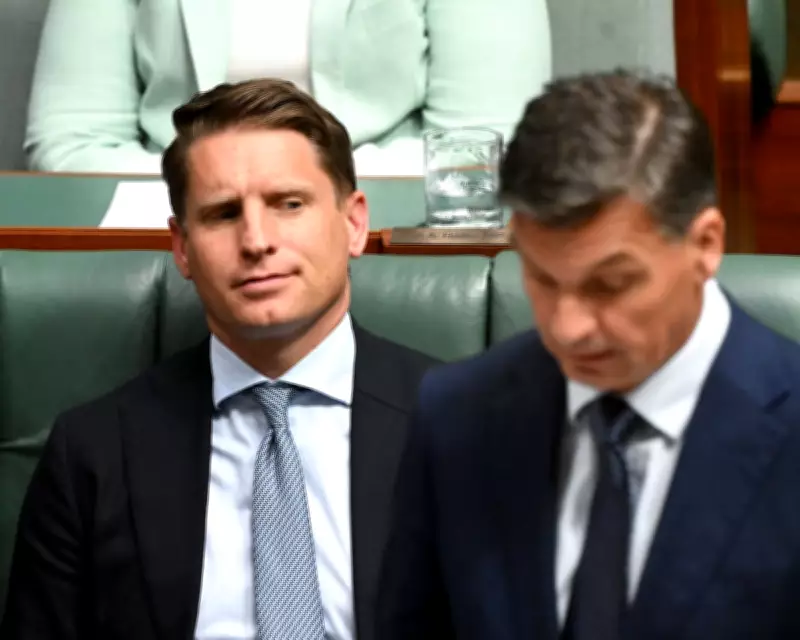
Liberal frontbencher Andrew Hastie has declared his openness to potential tax changes, a statement that has resulted in party leader Angus Taylor summoning him for counselling. This incident underscores the growing internal tensions within the Coalition as tax reform emerges as a critical credibility test for all political parties in Australia.
Mining Lobby's Aggressive Campaign
This week, representatives from the Minerals Council of Australia have been actively lobbying at Parliament House, distributing toy dump trucks with fake Medicare cards attached. The campaign, which includes a sophisticated website and advertisements at Canberra Airport, aims to remind MPs and journalists of the substantial contributions miners make. It highlights that miners pay approximately $74 billion in taxes and state royalties, contrasting this with Medicare's annual cost of about $37 billion.
The lobbying effort comes amid increasing calls from crossbenchers, the Greens, social services groups, and even Commonwealth Bank CEO Matt Comyn for gas exporters to contribute more, especially as the conflict in Iran disrupts global energy markets.

Hastie's Controversial Stance
In an interview with Guardian Australia, Andrew Hastie expressed that multinational corporations have lost their social licence and indicated his willingness to consider tax adjustments to establish a sovereign wealth fund. His comments included openness to reforms concerning the capital gains tax discount and negative gearing.
This prompted Angus Taylor to call Hastie in for what was described as a "gentle reminder" of shadow cabinet protocols. Hastie's straightforward responses to questions about budgetary challenges were seen as a breach of party discipline.
Internal Liberal Party Divisions
Taylor's deputy, Matt Canavan, has also advocated for the Coalition to maintain an open mind on tax issues, despite his personal opposition to new taxes. Additionally, Liberal senator Anne Ruston has called for more substantive political debates, warning against avoiding tough questions on taxation for short-term political gain.
She remarked, "We haven't had an honest conversation in this country about issues around taxation for a very long time because the conversation always gets shut down."
Taylor faces a significant challenge: he cannot afford to be a policy-free zone, yet he must carefully navigate internal divisions and build his political profile. His responses to queries about windfall profits or changes to the Petroleum Resource Rent Tax have been notably dismissive.
Labor's Mixed Signals and Budget Preparations
On the other side of the aisle, the Labor government is sending mixed signals ahead of the upcoming budget on 12 May. The Prime Minister's department has requested Treasury to model the impacts of a flat 25% tax on gas profits, along with potential adjustments to the PRRT and corporate income tax.
Prime Minister Anthony Albanese has stated he will "pursue every option" to prevent increases in coal and gas prices from affecting household electricity bills. Labor has supported a new Senate inquiry into the gas tax plan, with former industry minister Ed Husic challenging gas operators to step aside if they oppose the move.
Albanese expressed frustration when questioned about the government's ambition, despite its substantial majority. Treasurer Jim Chalmers has suggested that the current crisis should inspire bolder budget measures, not less ambition.
Broader Implications and Voter Expectations
Tax reform is increasingly viewed as a pivotal issue that will influence the outcome of the next election and shape Australia's fiscal future. There is growing pressure on both major parties to align with voter expectations, particularly regarding climate change, renewable energy, and economic fairness.
Opportunities exist for adjustments to stage three personal income tax cuts, which the government could strategically implement to win public support. However, the mining industry's claim that it solely funds Medicare is misleading, as comprehensive tax system analysis must consider contributions from all sectors.

As the budget approaches, decisions made in the coming weeks will be crucial in determining the political landscape and addressing the structural challenges facing Australia's economy.