
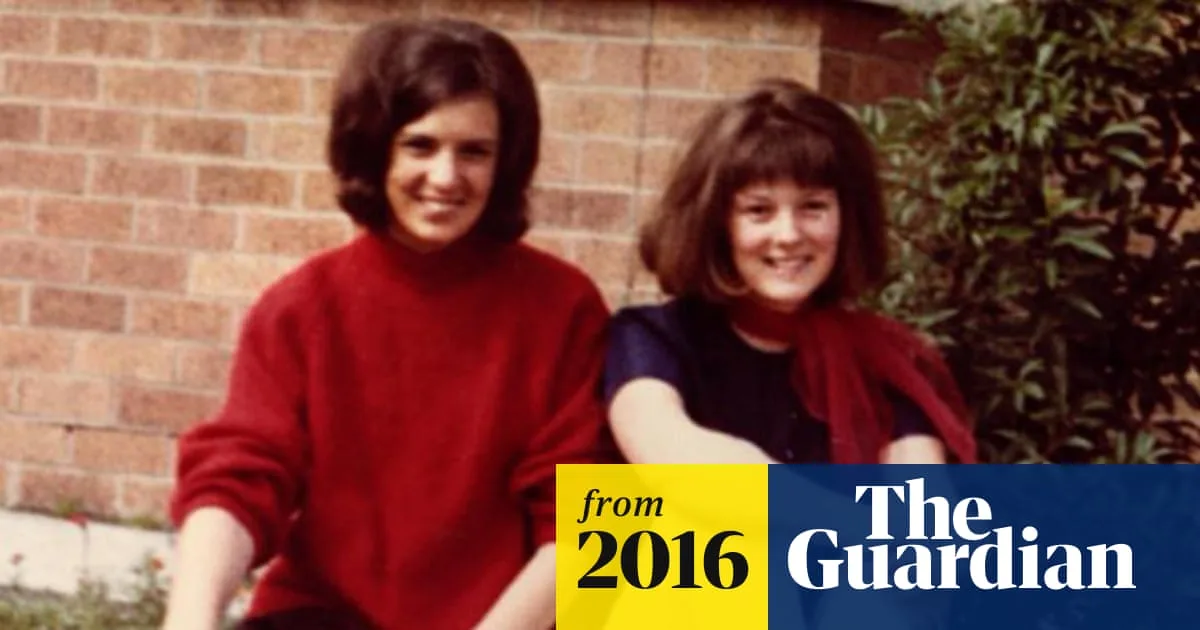
The Guardian asked readers to share their experiences of friendships that have lasted through life's highs and lows, following a feature on soulmates in Weekend magazine. Responses poured in, detailing relationships built on contrasts, support, and joy.
Lesley, 57, from Henley, Bedfordshire, described reconnecting with childhood friend Deborah after 30 years apart. They met at age four, attended school together, and went separate ways at 16. When Lesley returned to Hertfordshire in 2007 to care for her father, she met Deborah at a funeral. Two years later, Deborah was her maid of honour. Lesley says it feels as if the decades of absence never happened.
David Bass, 63, from Cape Town, South Africa, wrote about his friend Kenny Silke, who died in February from motor neurone disease. They met in 1973 when David was a reluctant medical student and Kenny was a musician. They formed a band, and their friendship outlasted its glory days. Kenny remained the same person until the end, greeting David with a smile as he had decades earlier. David calls him a 'life-changer'.
Pam Ward from Sheffield shared her bond with Ulrike, whom she met during a school exchange at age 15. The matched interests proved perfect, and they have corresponded frequently over the years, discussing politics and Brexit, which both opposed. Pam says nationality has never been a barrier to their friendship.
Niamh Brown described her friendship with Irene, 70, who was also her childminder. Irene cared for her husband with MS and later for Niamh's brother. Niamh has known Irene since birth, and their 56-year age gap has taught her more than peer relationships. Irene’s structure provides stability for Niamh’s creativity, and they complement each other perfectly.




