Trump Announces Hospital Ship for Greenland, Prompting Rejection
President Donald Trump declared on Truth Social that the United States would dispatch a "great hospital boat" to Greenland, claiming it was needed to "take care of the many people who are sick, and not being taken care of there." This statement, made on Tuesday 24 February 2026, quickly drew a firm response from Greenlandic Prime Minister Jens-Frederik Nielsen, who highlighted the territory's robust public healthcare system.
Greenland's Healthcare System Defended
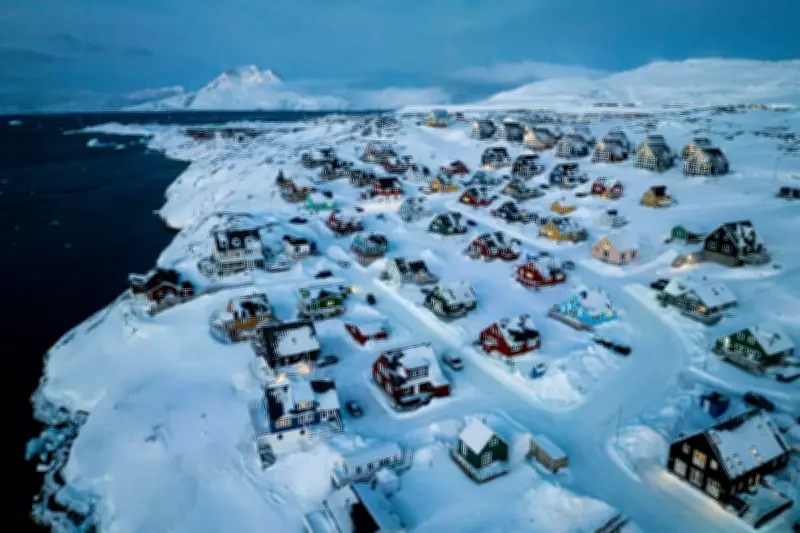
In a pointed rebuttal, Prime Minister Nielsen emphasized that Greenland provides free healthcare to its citizens and permanent residents, a fundamental aspect of its society. "We have a public health care system where treatment is free for citizens. That is a deliberate choice — and a fundamental part of our society," Nielsen stated. He contrasted this with the United States, where medical services often come at a cost. Greenland, with a population of approximately 57,000, is served by the Queen Ingrid Hospital in the capital Nuuk, along with several regional health centers, according to the Danish Medical Journal.
Most healthcare services in Greenland, including treatment by general practitioners, medical specialists, hospitals, health centers, prescription medicine, public dental care, and home nursing care, are free, as noted by the Nordic Council of Ministers. Despite this, the Center for Public Health in Greenland acknowledges "major public health challenges" on the island, such as obesity, diabetes, and cardiovascular disease, linked to rapid societal changes from a hunting to a modern industrial society.

Fact-Checking Trump's Claims
Claim of Widespread Illness: Trump alleged widespread sickness in Greenland, but there have been no recent reports of major illnesses, and it remains unclear what specific conditions he referred to. Anna Wangenheim, Greenland's minister for health and persons with disabilities, did post an "urgent" request on Facebook for dentists in towns like Aasiaat, Paamiut, and Nanortalik, indicating staffing shortages in remote areas. However, Lene Seibæk, a professor at the University of Greenland, noted significant improvements, with life expectancy increasing to about 71 years for men and 77 years for women since the 1990s, surpassing the global average.
Claim of Hospital Ship Deployment: Trump asserted that a hospital ship was "on the way!!!" to Greenland. However, both of the U.S. Navy's hospital ships, the USNS Mercy and USNS Comfort, are currently undergoing maintenance at a shipyard in Mobile, Alabama. Social media posts from the shipyard show the vessels docked together in late January, and publicly available tracking data confirm they remain there. The Comfort arrived on January 23 and is scheduled to stay through April, while the Mercy, which arrived in August, has repairs extending past their expected completion date, with further work planned in Oregon in March.
Even if rushed, these ships would require additional preparation before deployment, as their standard crews lack the full medical staff needed to operate their extensive facilities, which include 12 operating rooms and 1,000 hospital beds. Typically, they would source doctors, nurses, and supplies from hospitals near their home ports in Norfolk, Virginia, or San Diego before sailing.
Envoy's Claims and Reality of Remote Care
Jeff Landry, Governor of Louisiana and Trump's special envoy to the Arctic territory, supported the president's claims, stating on X that "many villages and small towns lack basic services that Americans often take for granted." He added that some settlements lack permanent doctors, diagnostic tools, or specialist care, forcing residents to travel long distances for treatment.

While remote areas in Greenland do face challenges, telemedicine plays a crucial role in providing care, and patients can be transported to national or regional facilities or flown to Denmark for complex cases, with the government covering costs. In contrast, rural Americans have long struggled with healthcare access due to financial inequities and travel distances, exacerbated by closures of maternity wards, pharmacies, and hospitals. Since 2010, 152 rural hospitals, many in the southern U.S., have reduced services or closed entirely, according to data from the University of North Carolina at Chapel Hill.
Landry's own state, Louisiana, reflects these issues, with 73% of residents in areas lacking sufficient primary care providers, 86% without enough dental providers, and 93% without adequate mental health providers, as per the state's health department. This latest episode adds to ongoing tensions with Trump, who has previously discussed seizing Greenland, a semiautonomous territory of NATO ally Denmark.