The Writer and the Traitor: Greene, Philby and MI6's Cold War Betrayal
In 1944, as Europe awaited D-day, three intelligence officers gathered at the Café Royal in Regent Street, London. Outside, the city braced for the Normandy landings; inside, Graham Greene announced his resignation from MI6. Across the table, his chief, Kim Philby, blinked. Philby, a Cambridge-educated communist secretly working for Moscow, had helped orchestrate the deception that misled Hitler about the Allied invasion plans. Greene had assisted in maintaining this illusion, yet he chose to depart just before the operation's climax.
A Tale of Divided Loyalties and Espionage
Robert Verkaik's The Writer and the Traitor presents an elegant and forensic double portrait, setting Greene, the novelist fascinated by sin, alongside Philby, the Kremlin's golden boy. The book explores whether Greene suspected Philby's treachery as early as 1944, prompting his abrupt exit from MI6. Verkaik circles this question without presuming an answer, delving into the complex dynamics of their friendship amid the lengthening shadow of the Cold War.
Greene's life was steeped in divided loyalties from an early age. At school in Berkhamsted, Hertfordshire, he felt caught between his headteacher father's authority and his peers' contempt. This sense of standing on the wrong side of the line persisted throughout his life. He flirted with communism and Labour politics, rarely voted, and cultivated a romantic attraction to various causes. However, risk was his true creed. During the Blitz, he frequented Soho's seedier spots, compiling a private catalogue of sex workers. After a Luftwaffe bomb destroyed his Clapham home, the Reform Club became his refuge, where British intelligence figures and Soviet agents exchanged gossip over claret. From this upholstered limbo, he was swiftly absorbed into MI6 under Philby's leadership.

Philby's Cool Doubleness and Class Envy
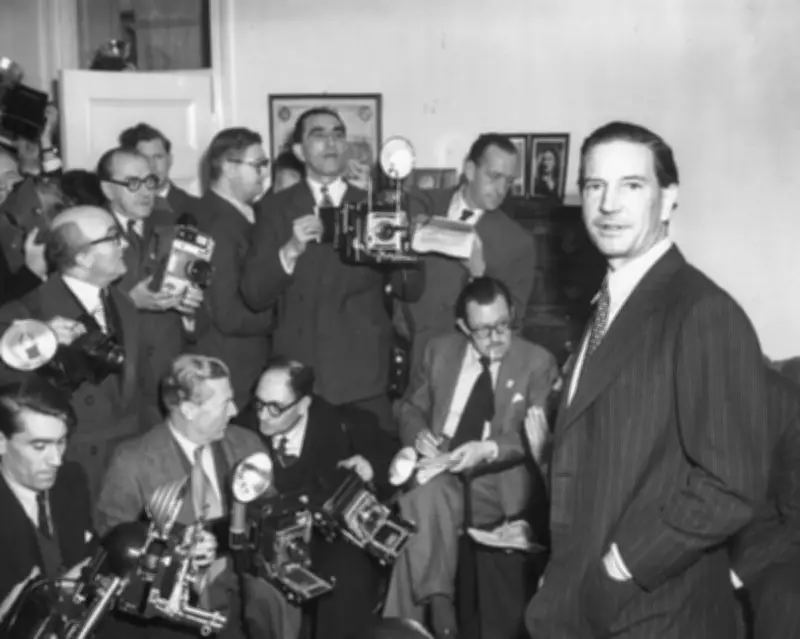
Philby's duplicity was more calculated. Born in India and nicknamed after Kipling's hero due to his first words in Punjabi, he was the son of St John Philby, an Englishman who converted to Islam and advised the Saudi king. Verkaik portrays him as a scion of the British ruling class, though this slightly overstates the case. In reality, Philby brushed against the upper echelons without fully belonging, and class envy from his school and university days may have sharpened his revolutionary zeal. Thanks to lax intelligence vetting, he became a trusted insider at MI6, with assurances from his father that his communist phase was a youthful folly.
Both subjects make for compelling reading. Greene, ever dramatising his delinquency, wrote to his wife that he was profoundly antagonistic to ordinary domestic life, viewing his infidelities as a disease that fueled his writing. Philby, less confessional but equally carnivorous, had four wives and numerous affairs, conducting treason and matrimony with comparable sangfroid. Verkaik's book offers a vicarious glide through their parallel rake's progresses, yet beneath lies a darker reality.
The Dark Undercurrent of Betrayal
Philby gambled that Stalin would not betray his Western partners, quietly funnelling operational details, analyses, and critical D-day planning materials to Moscow. Had the Kremlin acted differently, the Normandy beaches could have become a slaughterhouse. Verkaik questions whether Greene guessed this double game in 1944, with his resignation reflecting not office politics but a discovery of Philby's treachery. It took MI5 two more decades to catch up, leading to Philby's defection to the Soviet Union in 1963. Despite lofty reasons for his defection, his reality in Moscow was mundane, reduced to pestering handlers for English marmalade and cricket scores.
The Writer and the Traitor: Graham Greene, Kim Philby and the Great Betrayal by Robert Verkaik is published by Headline. This exploration of espionage, loyalty, and betrayal sheds light on a pivotal chapter in Cold War history, revealing the personal and political complexities that defined these two enigmatic figures.