
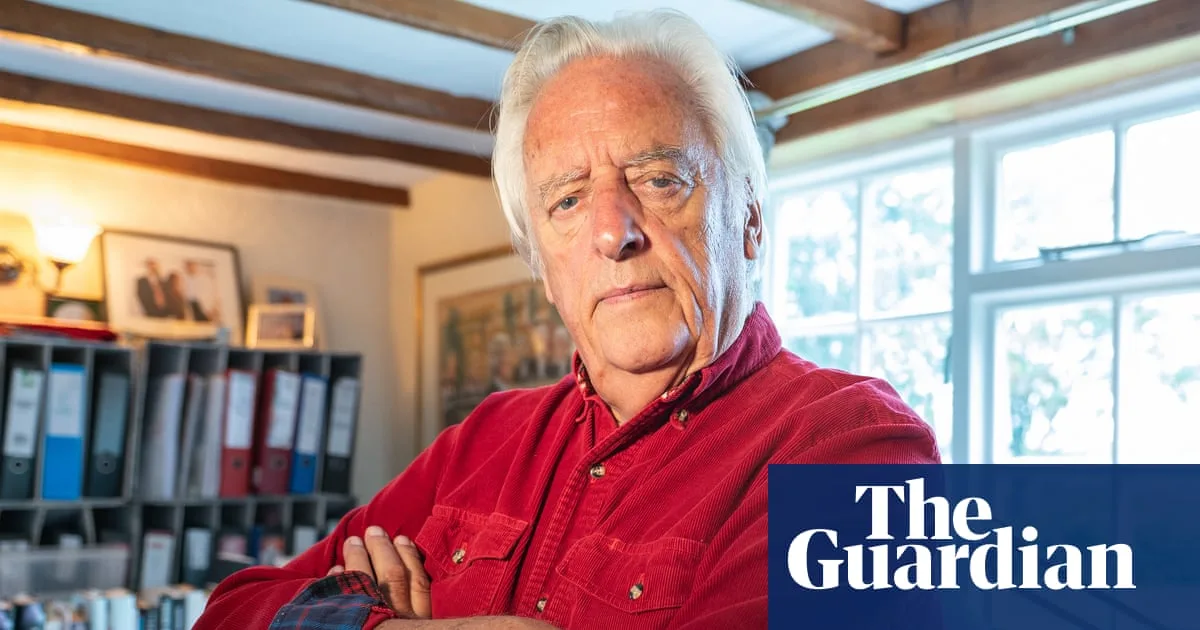
Leading human rights lawyer Michael Mansfield KC has criticised the Ministry of Justice’s refusal to engage with Palestine Action-affiliated prisoners on hunger strike, calling the government’s reasoning “ludicrous”. In a letter to Justice Secretary David Lammy, Mansfield described the refusal as “utterly astonishing”.
The MoJ had argued that meeting the hunger strikers could create “perverse incentives” that might encourage others to take similar action. Mansfield rejected this, stating that hunger striking is an “extreme action” few are prepared to take, and that the government’s policy should apply regardless. He drew parallels to IRA hunger strikers, noting that such actions did not spread throughout the prison system.
Mansfield, who previously represented the Price sisters during their hunger strike, accused ministers of taking a “dismissive approach” due to the political nature of the protests. He urged the government to consider granting bail to the prisoners, who are awaiting trial for alleged break-ins and criminal damage during protest actions. All have already served over a year in prison, exceeding the usual six-month limit.
Currently, four prisoners remain on continuous hunger strike: Amu Gib (52 days), Heba Muraisi (51 days), Teuta Hoxha (45 days), and Kamran Ahmed (44 days). Lewie Chiaramello, who has diabetes, is refusing food every other day and is on day 17. Qesser Zuhrah ended her strike on day 48 after being hospitalised.
Mansfield emphasised that the prisoners are presumed innocent and should be granted bail unless there is strong evidence of flight risk or reoffending. “Their health is seriously endangered,” he said, adding that the government’s refusal to meet their representatives undermines this basic principle.




