Republican Lawmaker Demands Iran Foot the Bill for Trump's Military Campaign
Pennsylvania Republican Congressman Scott Perry has provocatively suggested that Iran should be forced to compensate the United States for the enormous financial costs of the ongoing military conflict, known as Operation Epic Fury. This bold proposal comes as the Pentagon formally requested an additional $200 billion from Congress on Thursday to sustain the intensive bombing campaign against Tehran.
The Staggering Financial Burden of Operation Epic Fury
The joint American and Israeli missile strikes, which commenced in the early hours of Saturday, February 28, have now entered their third week of relentless aerial bombardment. Military analysts estimate the daily operational expenditure has reached an astonishing $1 billion, creating immense pressure on the federal budget. The human cost has also been severe, with approximately 1,500 Iranian casualties reported, including the death of Ayatollah Ali Khamenei, alongside 13 American servicemen lost in combat operations.
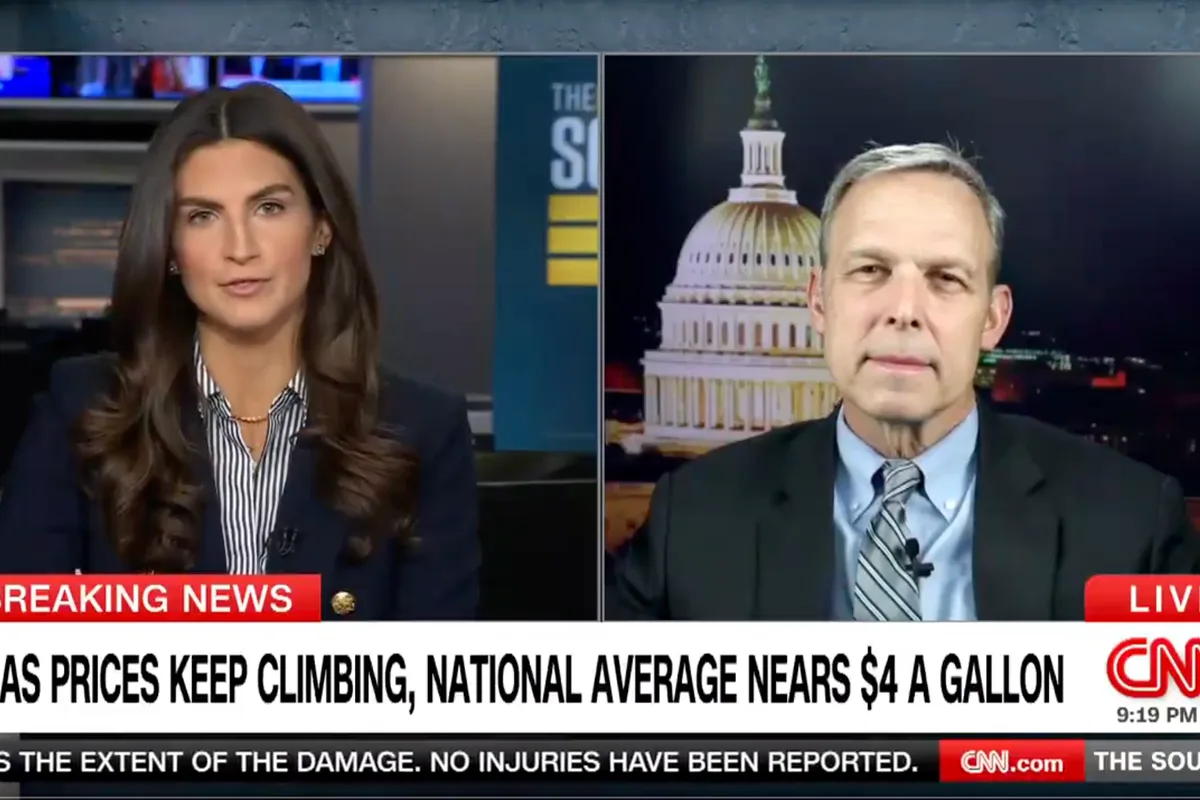
Speaking during a televised interview with CNN anchor Kaitlan Collins on Thursday, Congressman Perry articulated his controversial position with striking clarity. "I would actually like to see Iran pay for this, whether it's $20 billion or $200 billion, whatever it is," the Republican representative declared emphatically. "Look, they've been at war with us for 47 years, and it's finally being ended by the president, which is awesome, but it comes at a cost. And they have resources."
Political Reactions and Internal Republican Divisions
The congressman elaborated further, suggesting that Iran possesses sufficient national wealth, accumulated over decades, to cover American military expenses once a new governmental structure replaces the current regime. "Certainly, they could pay that bill pretty quickly once things get up and running. And the ayatollah is no longer in charge. So I think that's an option that we need to pursue as well," Perry stated during the broadcast.
An visibly astonished Kaitlan Collins pressed the lawmaker for clarification, questioning whether he genuinely believed Tehran would voluntarily compensate American taxpayers for warfare expenses. Perry responded defiantly, "Well, I think we gotta pay for this somehow, right? I don't see any reason why the people that started this war – it's not the United States of America – it's Iran."
However, significant divisions have emerged within Republican ranks regarding the enormous funding request. Colorado Representative Lauren Boebert has already publicly declared her opposition to allocating further taxpayer money for military operations. "I am a 'no.' I've already told leadership. I am a 'no' on any war supplementals," Boebert told CNN correspondent Manu Raju. "I am so tired of spending money elsewhere. I am tired of the industrial-war complex getting all of our hard-earned tax dollars."
Economic Implications and Strategic Debates
The interview between Collins and Perry also explored the complex economic dimensions of the conflict, particularly regarding global oil markets. The CNN host challenged her guest about Treasury Secretary Scott Bessent's recent comments suggesting the Trump administration might temporarily suspend sanctions on Iranian oil shipments to alleviate rising gasoline prices domestically.
Perry offered a counterintuitive perspective, arguing that even if Iranian oil reached international markets, Tehran's decimated infrastructure would prevent the regime from actually receiving payment. "I don't think you can assume that the terms of sale are the same as they were 20 days ago now," the congressman contended. "The point is – Iran is not going to get the money. And even if Iran were to get the money, where are they going to spend it, you know?"
This rhetoric bears distinct echoes of former President Donald Trump's earlier controversial proposals during his first administration, particularly his repeated assertions that Mexico should finance construction of the southern border wall. Perry's comments represent a similarly unconventional approach to international conflict financing that challenges traditional diplomatic norms.
Political Context and Electoral Implications
The former chairman of the influential House Freedom Caucus, Scott Perry has represented Pennsylvania's 10th congressional district since 2013. However, Democratic strategists believe they may finally have an opportunity to unseat the Republican incumbent this electoral cycle, following significant redistricting that has made his constituency more politically competitive. This demographic shift could potentially benefit likely Democratic challenger Janelle Stelson, creating an intriguing subplot to the broader national debate about war financing and foreign policy.
As Operation Epic Fury continues to exact both human and financial tolls, the fundamental question of who should ultimately bear responsibility for conflict expenses remains fiercely contested within Washington's political corridors. The Pentagon's substantial funding request, combined with Perry's provocative compensation proposal, ensures this debate will intensify in the coming weeks as legislators grapple with the practical and philosophical implications of modern warfare economics.