Three victims of IRA bombings who sued former Sinn Féin leader Gerry Adams have withdrawn their lawsuit on the last day of the civil trial. John Clark, Jonathan Ganesh and Barry Laycock were seeking symbolic damages of £1 each, alleging Adams was a member of the IRA and responsible for the attacks that injured them.
The claimants were injured in the 1973 Old Bailey bombing and the 1996 London Docklands and Manchester bombings. They argued Adams sat on the IRA's army council, a claim he denied. On Friday, the ninth day of the trial, their lawyer Anne Studd KC told the High Court the case would be discontinued after “proceedings developed overnight”.
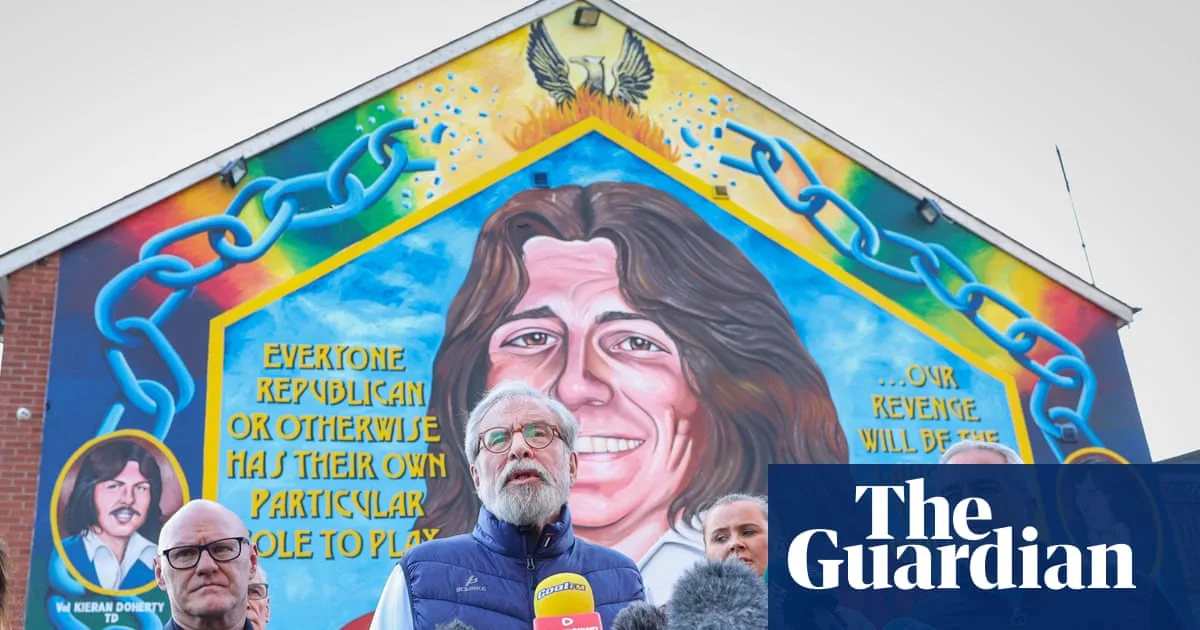
Adams, who was not in court, welcomed the end of the case, calling it “an emphatic end to a case that should never have been brought”. He said he attended the trial out of respect for the victims and defended himself against “smears and false accusations”. He reiterated the legitimacy of the republican cause and called for a renewed focus on the Good Friday agreement.
Studd indicated the withdrawal related to an argument around “abuse of process”, but was stopped by Mr Justice Swift, who said any statement outside court was a matter for the claimants. Barry Laycock said he was “completely devastated” but added, “We can all hold our heads up high – our team have worked tirelessly.”
The claimants' solicitors, McCue Jury, said the evidence presented meant it was still a victory, but they discontinued due to the judge's “extraordinary” decision to invite submissions on abuse of process, which could have led to their clients paying Adams's costs. They accepted an offer from Adams to “drop hands”, meaning each party bears their own costs.
Adams's lawyer Edward Craven KC had argued the claim was brought to compel a “public-inquiry-style examination” of Adams's alleged IRA involvement, with little direct evidence linking him to the specific bombings. The trial had heard “very little evidence” on the attacks, he said.